
10 Green Kitchen Cabinets ideas
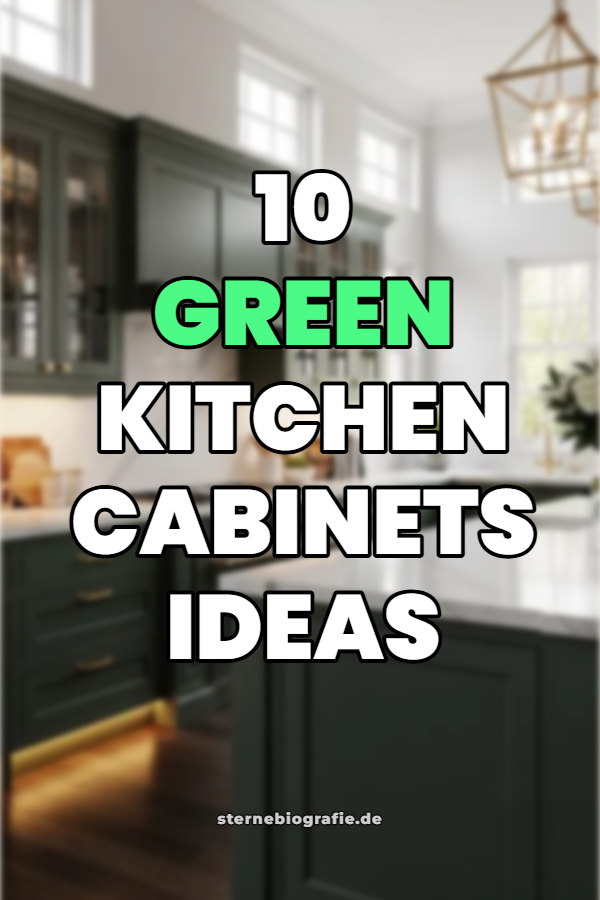
Green is becoming an increasingly popular choice for kitchen cabinets, and for good reason. It represents nature, balance, and freshness, which makes it perfect for a space where meals are prepared and families gather. Unlike neutral tones, green cabinets can create a unique, inviting atmosphere while pairing well with many other colors such as white, gray, and wood tones.
Choosing green cabinets is not just about picking a shade you like; it also involves understanding the kitchen’s overall design, lighting, and how it complements appliances and countertops. From soft sage to deep forest green, there is a wide spectrum of green hues to choose from, each giving a different mood and aesthetic. Green cabinets can work in modern, rustic, farmhouse, or traditional kitchens.
This blog post will explore ten green kitchen cabinet ideas to inspire your renovation or remodeling project. We’ll discuss the preparation, materials, design styles, and practical tips to help you make an informed decision. Each idea is presented in a clear, actionable way so that even beginners in home design can follow along and achieve a beautiful result.
1. Sage Green Cabinets with White Countertops
Sage green is a soft, muted tone that works well in kitchens where you want a calm and natural feeling. Pairing sage green cabinets with white countertops creates a clean and fresh contrast that brightens the kitchen. Marble or quartz countertops are excellent choices, as they complement the muted green without overpowering it.
Preparation for painting or installing sage green cabinets starts with measuring your kitchen space accurately and deciding whether to paint existing cabinets or buy new ones. If painting, sanding the cabinets and applying a primer ensures the paint adheres well. Use high-quality, water-resistant paint suitable for kitchen use, as it will be exposed to moisture and heat.
Materials include medium-density fiberboard (MDF), solid wood, or plywood for new cabinets. Sage green looks particularly good with natural wood elements, like butcher block countertops or wooden shelves. Add simple brass or matte black handles for a modern touch. This combination works in both small and large kitchens because the soft green keeps the space feeling open and airy.
Lighting also plays a crucial role. Natural light enhances the green, while soft artificial lighting prevents it from appearing too dull. Overall, sage green with white countertops creates a timeless, elegant kitchen that feels both modern and cozy.

2. Dark Forest Green Cabinets for a Dramatic Look
Dark forest green cabinets make a bold statement and give the kitchen a rich, luxurious appearance. This color works best in larger kitchens or spaces with plenty of natural light. Pairing dark green cabinets with lighter elements, such as white or cream walls and light wood floors, prevents the kitchen from feeling too heavy.
Before installing dark green cabinets, prep work is essential. Ensure walls and flooring are protected from paint splashes if painting existing cabinets. If buying new cabinets, select solid wood or high-quality MDF with a smooth finish. A glossy or semi-gloss finish can enhance the depth of dark green and reflect light, making the kitchen appear less dark.
For materials, consider quartz or marble countertops in light shades to contrast with the dark green. Gold or brass hardware adds a luxurious accent and complements the richness of the color.
Dark green cabinets work well with natural textures, such as stone backsplashes or wooden shelving, to soften the dramatic effect. Proper lighting, including under-cabinet lighting, is essential to highlight the color and create depth. This design is ideal for homeowners who want a statement kitchen that is elegant, stylish, and memorable.

3. Mint Green Cabinets for a Fresh, Airy Kitchen
Mint green is a light and playful color that instantly brightens a kitchen. It works well in small spaces because it makes the room feel larger and more open. Pairing mint green cabinets with white or light gray countertops and walls creates a refreshing, cheerful atmosphere.
Preparation involves thorough cleaning and sanding if repainting old cabinets. For new cabinets, MDF or plywood painted with high-quality semi-gloss paint works well for easy cleaning and durability. Mint green cabinets pair beautifully with light wood or natural stone countertops.
Hardware can be simple stainless steel or brushed nickel, giving a modern yet approachable look. Consider glass cabinet doors on some upper cabinets to add variety and depth. Mint green also complements stainless steel appliances, creating a balanced, cohesive look.
This shade is perfect for a farmhouse-style kitchen or a modern minimalist space. It gives a sense of cleanliness and freshness, ideal for spaces where people gather to cook and socialize. Proper lighting, both natural and artificial, is important to maintain the airy feeling. Accessories like pastel dishware or potted plants enhance the soft, natural look.

4. Olive Green Cabinets with Wood Accents
Olive green is a versatile, earthy tone that pairs well with natural wood accents. This combination gives the kitchen a warm, inviting feel while remaining sophisticated. Olive green cabinets can be used for the entire kitchen or as an accent color for lower cabinets or an island.
Preparation requires careful planning of cabinet placement and measurements. For painting, sand the cabinets and apply a primer to ensure smooth, lasting coverage. If installing new cabinets, choose wood or MDF with a smooth finish. Olive green works well with medium to dark wood tones, like walnut or oak, for shelves, countertops, or flooring.
Countertops in neutral shades, such as beige or gray, complement olive green cabinets without clashing. Matte or brushed hardware in bronze or black adds subtle contrast. Lighting is key to highlighting the earthy tones, especially in kitchens with limited natural light.
This combination suits rustic, modern, or transitional kitchens. Olive green cabinets with wood accents create a cozy, grounded atmosphere while remaining stylish and modern. Adding greenery, like indoor herbs or small potted plants, enhances the natural theme and makes the kitchen feel more connected to nature.

5. Two-Tone Cabinets with Green Lower Cabinets
A popular trend is using two-tone cabinets, with green on the lower cabinets and a neutral color like white or cream on the upper cabinets. This design balances boldness and simplicity while giving the kitchen a contemporary feel. The green lower cabinets draw the eye, while lighter upper cabinets keep the space bright.
Preparation involves measuring cabinet spaces carefully and deciding whether to paint existing cabinets or buy new ones. Use high-quality paint for durability, particularly in areas near the sink or stove. Materials for lower cabinets can be solid wood, MDF, or plywood, while upper cabinets can match or contrast in color.
Countertops in neutral shades like white, gray, or marble complement the green base. Hardware in brass or matte black adds a modern touch. This design works well in open-plan kitchens, providing a visual anchor and adding depth to the space.
Proper lighting ensures that the green color pops without making the kitchen feel dark. Accessories like green kitchenware, rugs, or plants tie the theme together. Two-tone cabinets are ideal for homeowners who want a modern kitchen with personality and visual interest without overwhelming the space.

6. Pastel Green Cabinets for a Soft Vintage Feel
Pastel green is perfect for kitchens with a vintage or retro aesthetic. It evokes a nostalgic feel while remaining light and inviting. Pair pastel green cabinets with white or cream walls, subway tile backsplash, and wooden countertops to complete the look.
Preparation for painting involves sanding, priming, and selecting a durable semi-gloss or satin paint suitable for kitchen environments. For new cabinets, MDF or solid wood works well and can be painted in pastel green for a smooth finish.
Hardware can be simple knobs or handles in brushed nickel, bronze, or even ceramic for a vintage touch. Accessories like retro-style appliances or patterned tiles enhance the charm. Pastel green cabinets pair beautifully with natural light, reflecting warmth throughout the room.
This shade is ideal for small to medium kitchens, as it keeps the space feeling open and airy. Pastel green adds a subtle color that is easy to match with other décor elements, making it versatile for many design styles. A few open shelves with colorful dishware can enhance the vintage feel further.

7. Emerald Green Cabinets for a Luxurious Touch
Emerald green cabinets are bold and striking, instantly elevating the kitchen to a sophisticated, luxurious space. This deep, jewel-toned green works beautifully with gold or brass hardware, white or marble countertops, and dark wood floors.
Preparation is important for a flawless finish. Sand the cabinet surfaces thoroughly and use a high-quality primer. Use semi-gloss paint for easy cleaning and to enhance the depth of the emerald color. For new cabinets, solid wood or MDF with smooth edges works best.
Countertops should contrast with emerald green, such as white marble or light quartz. Lighting plays a key role; under-cabinet lights and pendant fixtures highlight the rich tones. Accessories in metallic finishes or glass add elegance without overwhelming the space.
Emerald green is ideal for modern, contemporary, or classic kitchens. It creates a statement while maintaining elegance. This color works well in kitchens with large windows or ample natural light to prevent the deep color from making the room feel too dark.

8. Green Cabinets with Open Shelving
Combining green cabinets with open shelving adds dimension and visual interest to the kitchen. Open shelves break up the solid color of the cabinets and provide space to display dishes, cookbooks, or decorative items. This design balances functionality with aesthetic appeal.
Preparation involves ensuring cabinets are sturdy and shelves are properly anchored. Choose durable materials for both cabinets and shelves, like solid wood or high-quality plywood. Paint cabinets in your chosen green shade, and finish shelves with a natural wood stain or neutral paint.
Countertops can be neutral or slightly contrasting to make the green cabinets stand out. Hardware should be minimal to keep the focus on the shelves and cabinet color. Open shelving encourages organization and provides easy access to kitchen essentials.
This combination works well in small to medium kitchens, as open shelves prevent the green cabinets from feeling too heavy. Adding plants, decorative bowls, or colorful dishware enhances the design. It’s an excellent option for homeowners who want a functional, stylish, and personalized kitchen space.

9. Green Cabinets with Glass-Front Doors
Glass-front doors add elegance to green kitchen cabinets while showcasing the interior contents. This style is ideal for homeowners who want to combine storage and display in a stylish way. Pair green cabinets with clear or frosted glass for a balanced look.
Preparation involves selecting cabinets with glass inserts or modifying existing cabinets. Paint or stain the green cabinets first, then carefully install glass panels. Ensure all edges are sealed and polished for safety and durability.
Countertops in neutral shades like white, gray, or beige complement green cabinets with glass doors. Hardware in brass, black, or brushed nickel adds sophistication. Use lighting inside the cabinets or under the shelves to highlight dishes and decorative items.
This design works well in traditional, modern, or transitional kitchens. It provides a luxurious feel while keeping the kitchen organized. Glass-front cabinets also make small kitchens feel more open and airy, reflecting light and adding depth.

10. Green Cabinets with Contrasting Island
Using green cabinets for the main kitchen with a contrasting island in white, gray, or wood tone creates a dynamic and modern look. This design separates zones visually and makes the island a focal point for cooking, dining, or entertaining.
Preparation involves accurate measurement of cabinet and island spaces. Paint or purchase cabinets in green and choose a contrasting material for the island. Use durable finishes for high-use areas like the island countertop.
Materials for cabinets include solid wood, MDF, or plywood. Countertops can be quartz, marble, or butcher block depending on the desired look. Hardware should coordinate with both cabinet colors for a cohesive appearance.
This design works well in open-plan kitchens, providing visual interest and functionality. Proper lighting, including pendant lights above the island, enhances the design. Accessories like bar stools or decorative trays tie the theme together. This combination balances color, texture, and functionality, creating a stylish, inviting kitchen.
