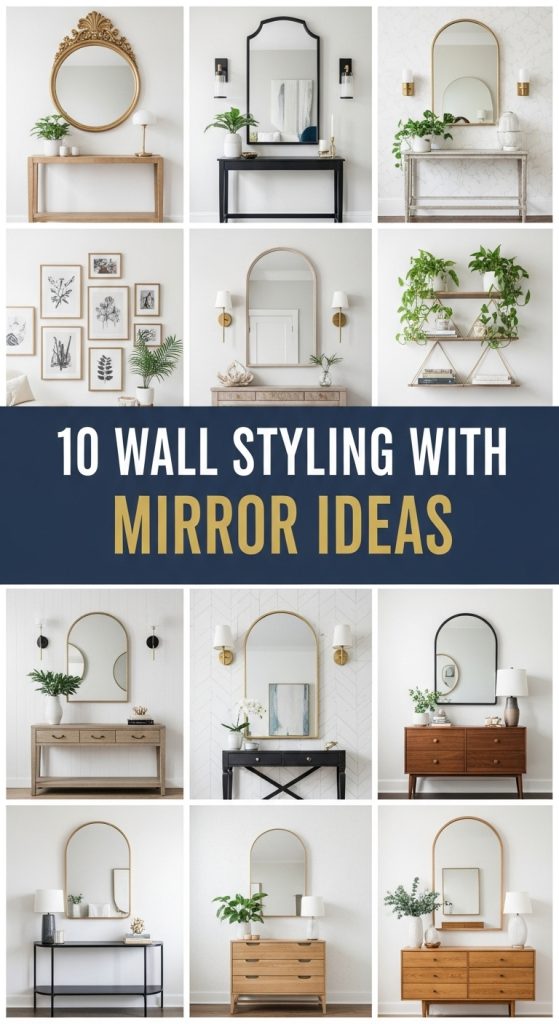
10 Wall Styling With Mirror ideas
Wall styling with mirrors is one of the most effective ways to transform a space without major renovation. Mirrors have the unique ability to reflect light, create the illusion of space, and add visual interest to plain walls. Whether used in a living room, bedroom, hallway, or dining area, mirrors can make interiors feel brighter, larger, and more balanced. They work well with almost every interior style, including modern, traditional, minimalist, and rustic designs.
In addition to beauty, mirrors also serve practical purposes. They can help distribute natural light, highlight architectural features, and act as functional decor in daily life. With the right planning, mirror wall styling can improve both the look and usability of a room. However, successful mirror styling requires careful preparation, correct material selection, proper placement, and attention to proportions. Poor installation or incorrect sizing can reduce the desired effect.
This blog explores ten detailed wall styling ideas using mirrors. Each idea explains preparation steps, materials needed, suitable wall types, placement tips, and maintenance advice. These ideas are designed to be practical and easy to understand, making them suitable for homeowners, renters, and interior design enthusiasts. With thoughtful planning and the right approach, mirror wall styling can elevate your interiors in a simple and cost-effective way.
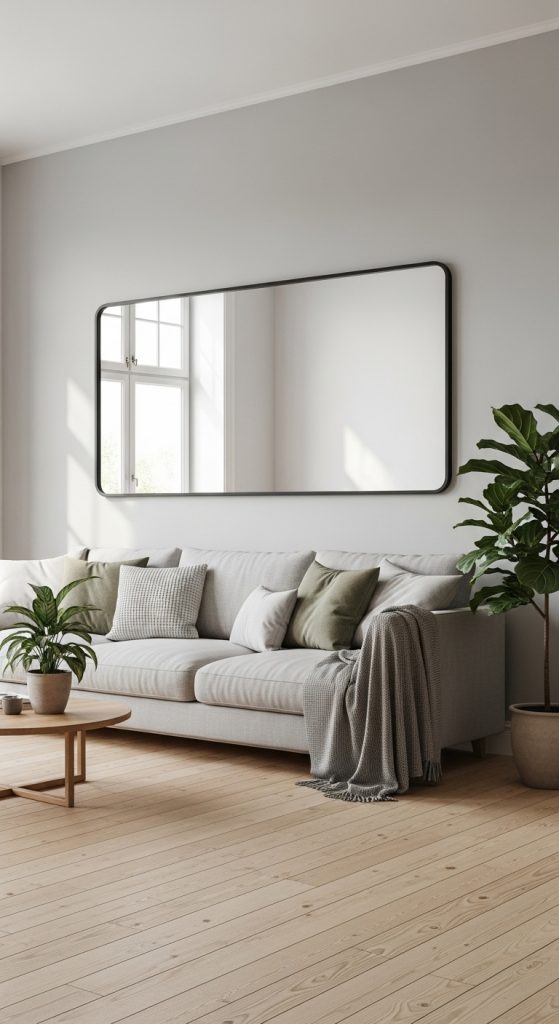
1. Large Statement Mirror for Living Room Walls
A large statement mirror is one of the most impactful wall styling options for living rooms. It instantly draws attention and becomes a focal point of the space. This type of mirror works best on a central wall, such as above a sofa or opposite a window. The reflection helps spread natural light and makes the room feel more open and welcoming.
Preparation starts with measuring the wall and selecting a mirror that is proportional to the furniture below it. The wall surface should be clean, dry, and strong enough to support the mirror’s weight. Materials commonly used include framed glass mirrors, metal or wooden frames, wall anchors, screws, and a spirit level. For safety, heavy mirrors should always be fixed into wall studs or masonry using proper hardware.
When choosing a frame, match it with the room’s style. Wooden frames suit warm and traditional interiors, while thin metal frames work well in modern spaces. Placement height is important. The mirror should sit at eye level and not feel too high or too low. Maintenance includes regular dusting and glass cleaning to avoid fingerprints and streaks. This idea is ideal for creating a luxurious yet simple living room look.
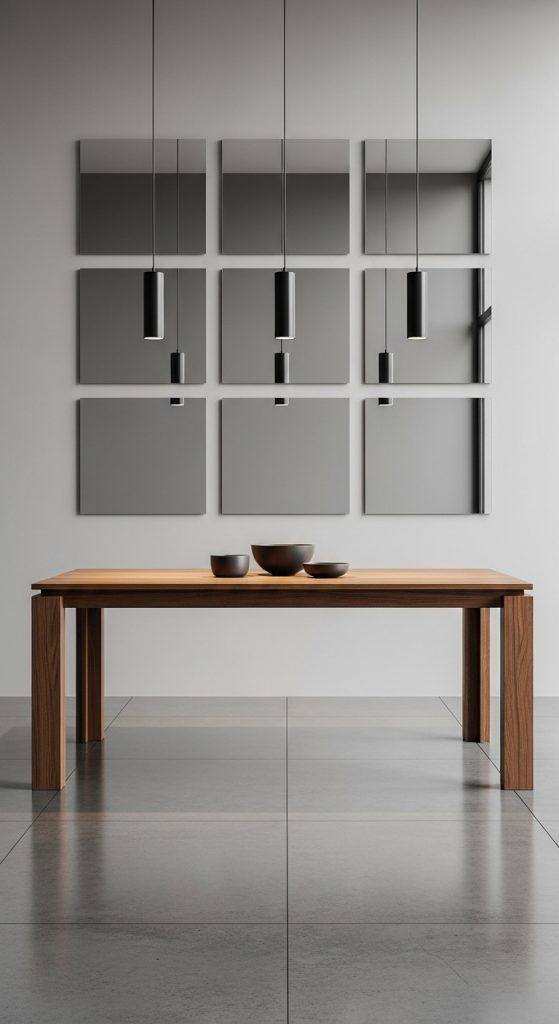
2. Grid Style Mirror Arrangement for Modern Interiors
Grid style mirror arrangements use multiple small mirrors placed in a structured pattern on a single wall. This style works particularly well in modern and contemporary interiors where clean lines and symmetry are valued. The grid design adds visual interest without overwhelming the space.
Preparation involves planning the layout on paper or marking positions lightly on the wall. The wall should be flat and smooth to ensure proper alignment. Materials needed include identical mirrors, measuring tape, pencil, wall adhesive or mounting brackets, and a level. Using identical mirror sizes helps maintain balance and consistency.
Installation requires patience and accuracy. Start from the center and work outward to maintain symmetry. Spacing between mirrors should be even for a neat finish. Grid mirror walls work well in dining rooms, hallways, and home offices. They reflect light evenly and add depth to narrow spaces.
Maintenance is simple but important, as multiple mirrors require regular cleaning to keep the wall looking polished. This wall styling idea is best for those who appreciate structure and minimal decoration while still wanting a stylish feature wall.
3. Round Mirror Wall Styling for Soft Visual Appeal
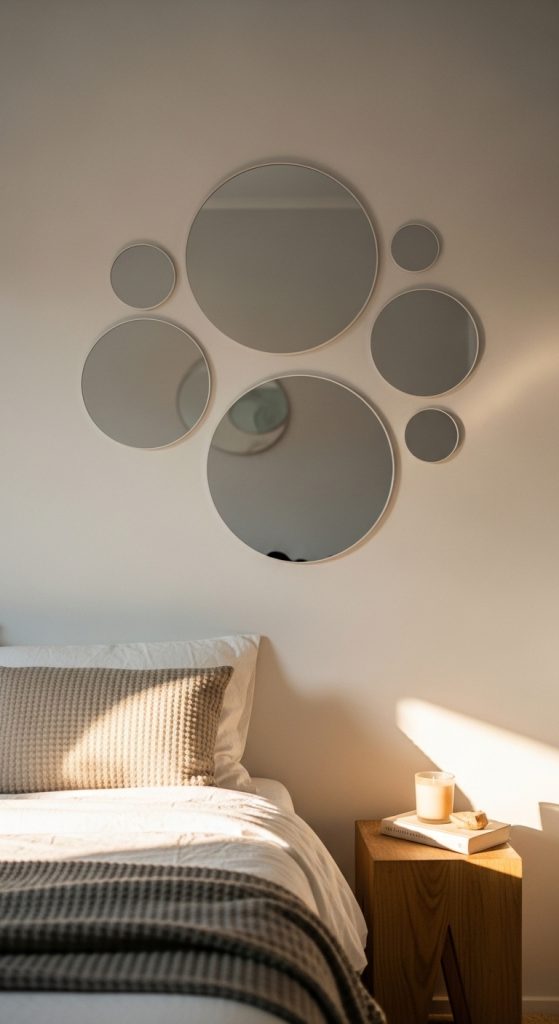
Round mirrors bring softness and balance to interiors filled with straight lines and sharp edges. Using round mirrors on walls creates a gentle, welcoming atmosphere. This idea works well in bedrooms, entryways, and reading corners.
Preparation includes deciding whether to use a single large round mirror or a combination of different sizes. The wall should be clean and free from moisture. Materials include round mirrors, wall hooks or anchors, screws, and measuring tools. Lightweight mirrors can be mounted with strong adhesive hooks, while heavier ones require proper wall fixing.
Placement should focus on balance rather than symmetry. For multiple mirrors, arrange them in a flowing pattern that feels natural. Avoid overcrowding the wall. Neutral or thin frames help maintain a clean look.
Round mirror wall styling pairs well with soft lighting, plants, and textured walls. Maintenance includes gentle cleaning to prevent scratches. This style is ideal for creating calm and visually pleasing interiors that feel modern yet comfortable.
4. Full Height Mirror Wall for Small Spaces
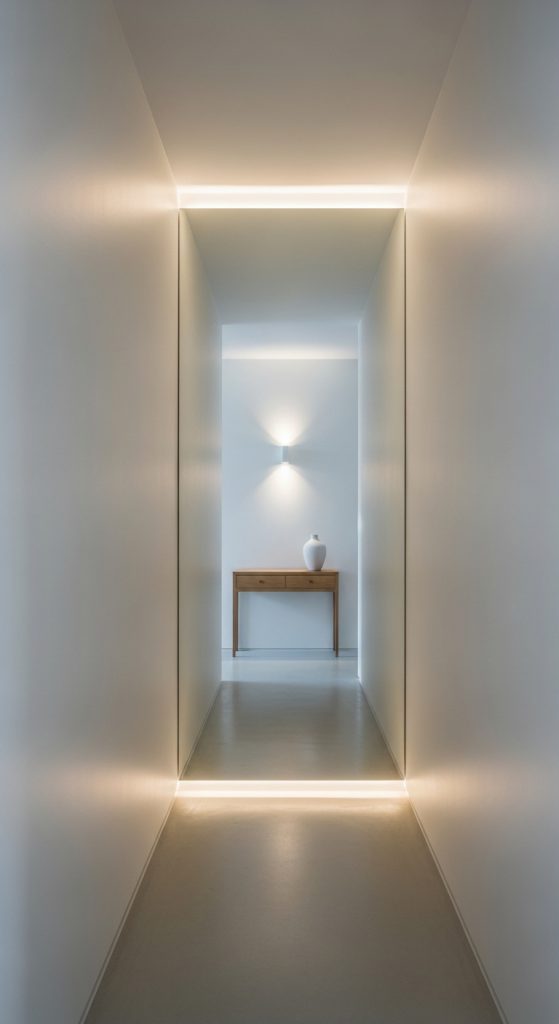
Full height mirrors are excellent for small rooms and narrow areas such as hallways and dressing spaces. They create the illusion of extended height and depth, making the area feel larger than it is.
Preparation begins with measuring floor-to-ceiling height and ensuring the wall can support the mirror. Materials include tall mirrors or mirror panels, strong adhesive, wall anchors, and safety backing. Professional installation is recommended for very large mirrors to ensure safety.
Placement should be against a wall that receives light or faces an open area. Avoid placing full height mirrors directly opposite cluttered spaces, as reflections can amplify disorder. This style works best with clean, simple surroundings.
Maintenance requires regular cleaning and checking of fixings to ensure stability. Full height mirror walls are functional, stylish, and ideal for compact homes where visual expansion is needed.
5. Decorative Framed Mirrors for Accent Walls
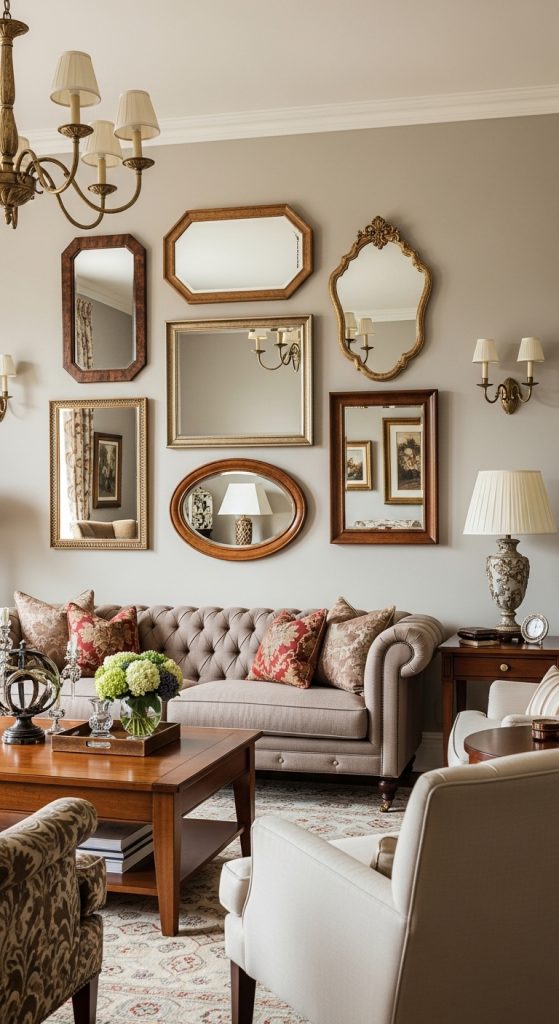
Decorative framed mirrors are perfect for accent walls where artistic expression is desired. These mirrors often feature ornate frames made from wood, metal, or resin. They work well in traditional, bohemian, and eclectic interiors.
Preparation includes selecting a theme or color palette to ensure harmony. The wall should be prepared with proper anchors to support the weight of decorative frames. Materials include mirrors with frames, screws, anchors, and a drill.
Arrangement can be symmetrical or free-form, depending on the design goal. Grouping mirrors in varying shapes and sizes creates a gallery-style wall. This idea is suitable for living rooms, stair walls, and dining spaces.
Maintenance includes dusting the frames and cleaning the glass carefully to protect finishes. Decorative mirror walls add character and personality, making them ideal for homeowners who enjoy expressive design.
6. Mirror Panels for Contemporary Wall Design
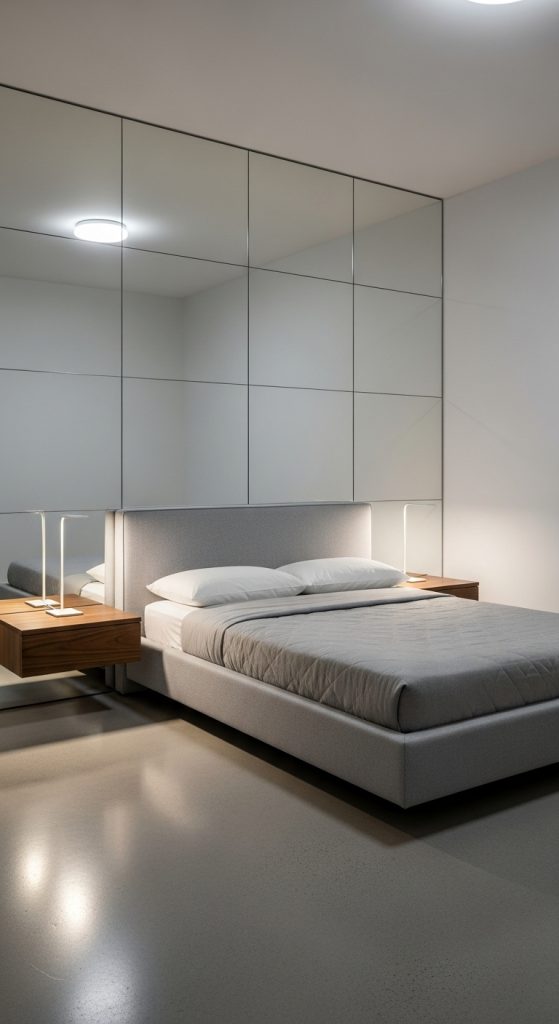
Mirror panels offer a sleek and modern approach to wall styling. They are commonly used in contemporary interiors where clean surfaces and reflective materials are preferred.
Preparation involves accurate wall measurement and professional cutting of mirror panels. Materials include mirror panels, adhesive, mounting clips, and protective gloves. Installation must be precise to avoid uneven reflections.
Mirror panels are best installed on feature walls in living rooms or bedrooms. They reflect light evenly and create a seamless look. Avoid overuse, as too much reflection can feel cold or overwhelming.
Maintenance requires careful cleaning to avoid visible streaks. This style suits modern homes seeking a polished and spacious appearance.
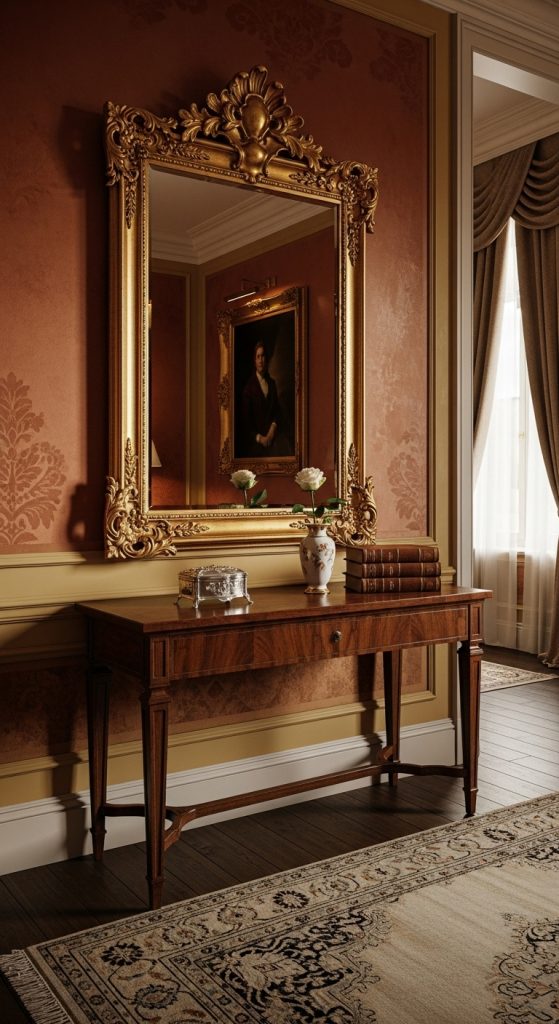
7. Vintage Mirror Styling for Classic Interiors
Vintage mirrors add charm and history to wall styling. Their aged finishes and unique frames suit classic and traditional interiors.
Preparation includes selecting authentic or reproduction mirrors and ensuring the wall can support their weight. Materials include mirrors, wall hooks, anchors, and mounting tools.
Placement should highlight the mirror’s character, such as above a console or fireplace. Avoid pairing with overly modern decor.
Maintenance includes gentle cleaning to preserve aged finishes. Vintage mirror styling adds warmth and elegance to interiors.
8. Mirror Wall Styling with Lighting Integration
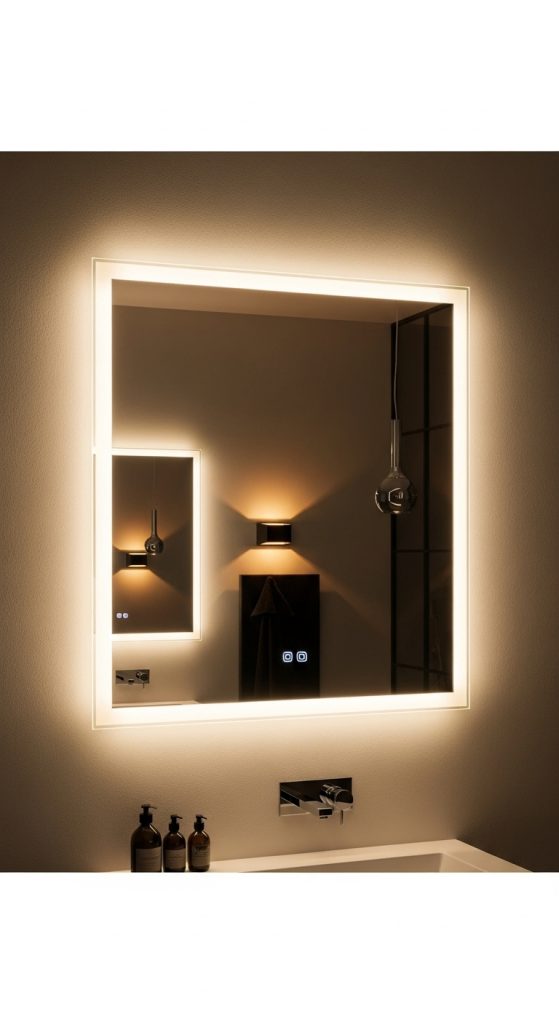
Combining mirrors with lighting enhances both elements. Backlit or side-lit mirrors create depth and ambiance.
Preparation involves electrical planning and wall readiness. Materials include mirrors, LED lights, wiring, and mounting hardware. Professional help is recommended for wiring.
Placement should focus on functional areas like bathrooms or accent walls. Lighting enhances reflection and adds drama.
Maintenance includes checking lights and cleaning surfaces. This idea is ideal for modern, functional interiors.
9. Asymmetrical Mirror Arrangement for Artistic Walls
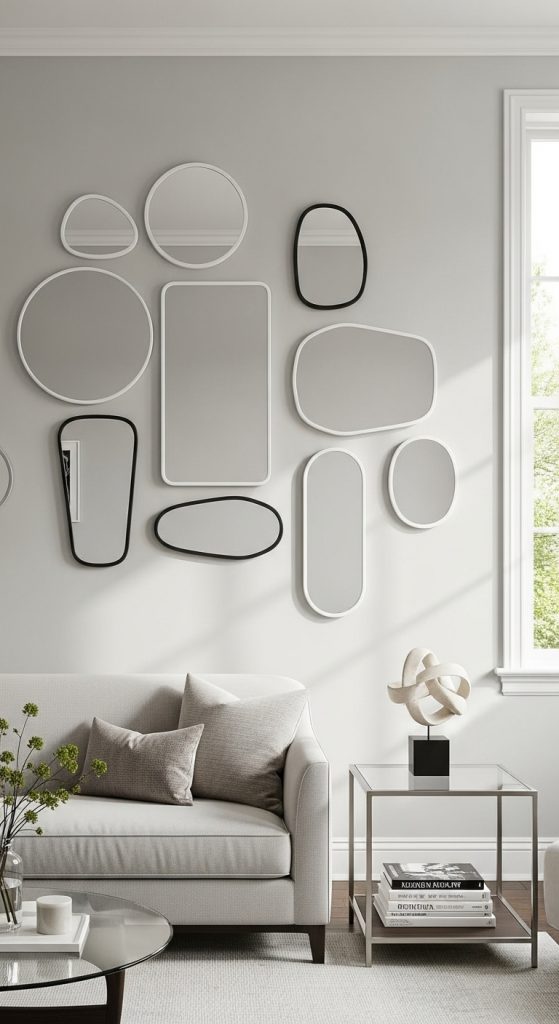
Asymmetrical mirror arrangements offer a creative and dynamic look. They suit artistic and contemporary spaces.
Preparation includes planning an organic layout. Materials include mirrors of different shapes, hooks, and measuring tools.
Placement should feel balanced despite being uneven. This style works well in creative spaces and lounges.
Maintenance involves regular alignment checks. Asymmetrical styling adds movement and personality.
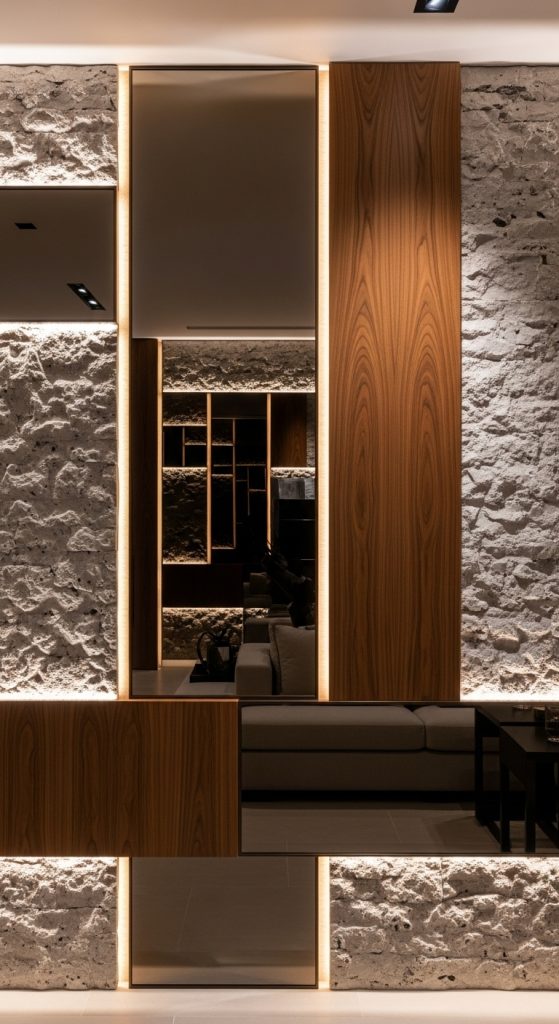
10. Mirror Styling Combined with Wall Textures
Mirrors paired with textured walls create contrast and depth. Textures include wood panels, stone, or wallpaper.
Preparation involves ensuring proper adhesion on textured surfaces. Materials include mirrors, anchors, and compatible adhesives.
Placement should highlight texture without hiding it. This idea suits feature walls in living rooms and bedrooms.
Maintenance includes careful cleaning to avoid damaging textures. This style blends reflection with material richness for a refined look.