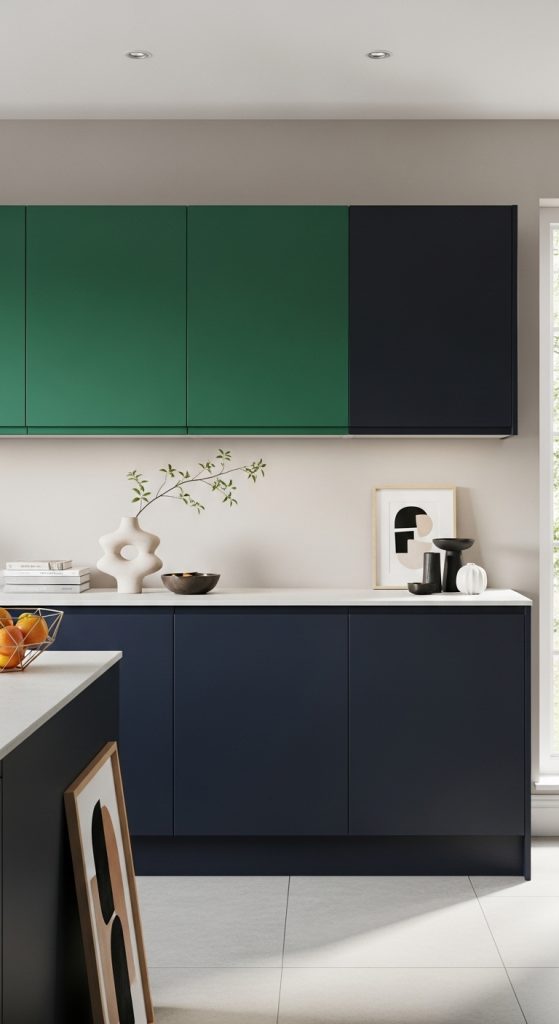
10 Wall Cabinet Styling ideas
Wall cabinets are more than just storage solutions; they can be powerful design elements that define the aesthetic of your kitchen, living room, or workspace. With the right styling, your cabinets can elevate the entire room while maintaining functionality. In this post, we explore ten wall cabinet styling ideas, including preparation, materials, and practical tips for execution. Each idea will be explained in detail, providing you with inspiration and guidance to achieve a stylish and organized space.
1. Open Shelving with Decorative Items
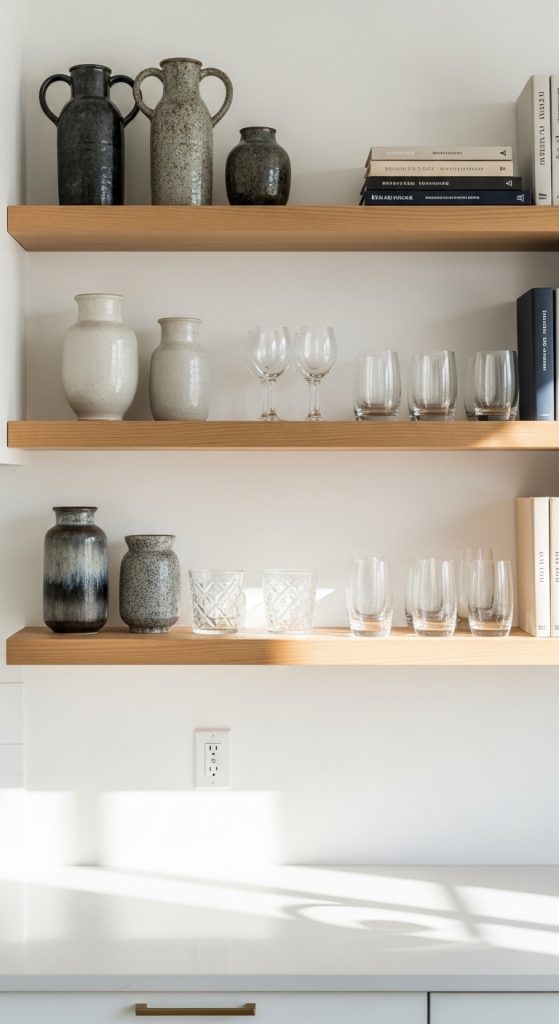
Open shelving has become a popular design trend because it allows homeowners to display stylish items while keeping the space airy and functional. Instead of traditional closed cabinets, consider incorporating open shelves where you can showcase decorative items such as ceramics, glassware, books, or collectibles. Preparation involves measuring the wall accurately and ensuring proper stud support, as open shelving needs strong anchoring to prevent sagging. Materials may include solid wood, medium-density fiberboard, or metal brackets for a contemporary feel.
Styling open shelves requires balance. Avoid overcrowding the shelves, and aim for a mix of textures, colors, and heights to create visual interest. Group items in odd numbers, which are naturally more pleasing to the eye, and leave some negative space to prevent a cluttered look. This approach works in kitchens for displaying cookware, in living rooms for personal mementos, or in bathrooms for toiletries. Open shelving transforms wall cabinets from mere storage units into an opportunity to express your personal style.
2. Glass-Front Cabinets
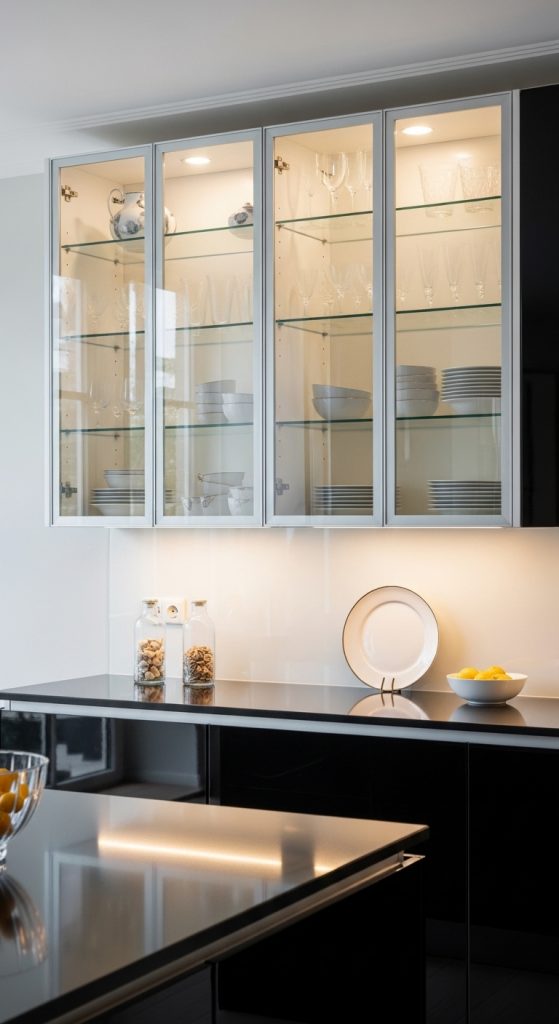
Glass-front cabinets are an excellent way to combine storage with display. They allow you to showcase dishware, glassware, or decorative pieces while maintaining the sleek look of traditional cabinets. To prepare, ensure that the cabinet frames are sturdy enough to hold glass panes. Materials needed include tempered glass for safety, adhesive strips or silicone for installation, and optional interior lighting to enhance visibility.
Styling glass-front cabinets involves careful selection of items. Stick to a color palette or theme to prevent visual chaos. Arrange items by size, color, or type to maintain order and elegance. Lighting can create a warm glow that highlights your collection, turning everyday objects into a design feature. Glass-front cabinets also work in dining rooms, kitchens, and even home offices, offering a sense of openness while keeping your items protected from dust. The reflective quality of glass adds depth and sophistication to any room.
3. Two-Tone Cabinet Styling
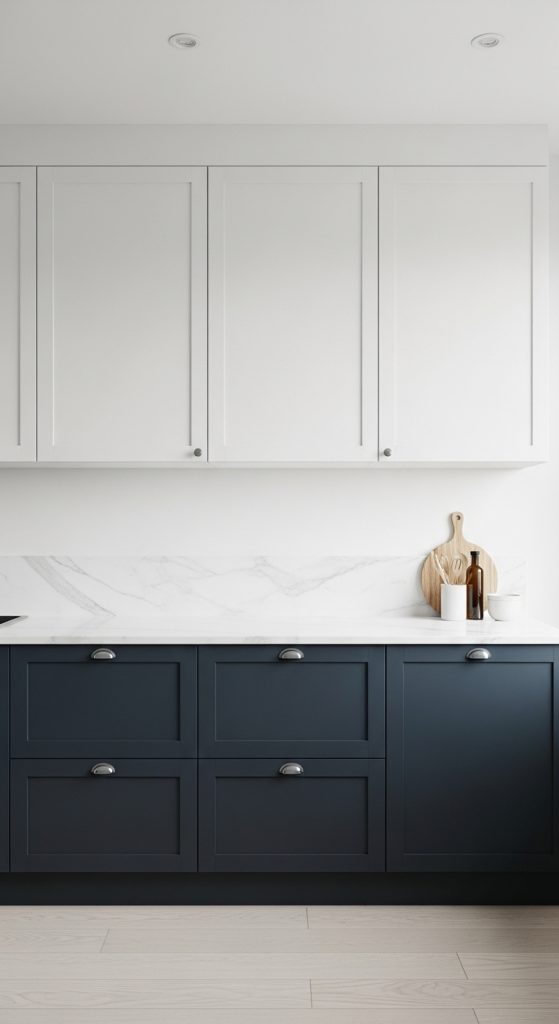
Two-tone wall cabinets introduce contrast and visual interest into a room. This design involves using two complementary or contrasting colors on upper and lower cabinets, or even alternating cabinet doors. Preparation includes selecting a harmonious color scheme, preparing surfaces with sanding and priming, and having the correct paint or laminate materials. Popular combinations include dark lower cabinets with lighter upper cabinets or neutral bases paired with bold accent colors.
Styling two-tone cabinets is about balance. Avoid choosing colors that compete with other elements in the room, and ensure that the transition between the two tones is clean and precise. You can also add decorative molding or hardware that complements both colors. This approach is effective in kitchens, where the lower cabinets are functional and darker, while upper cabinets are lighter and visually open. It can also work in bathrooms and home offices to break monotony and add personality to your cabinetry.
4. Floating Cabinets
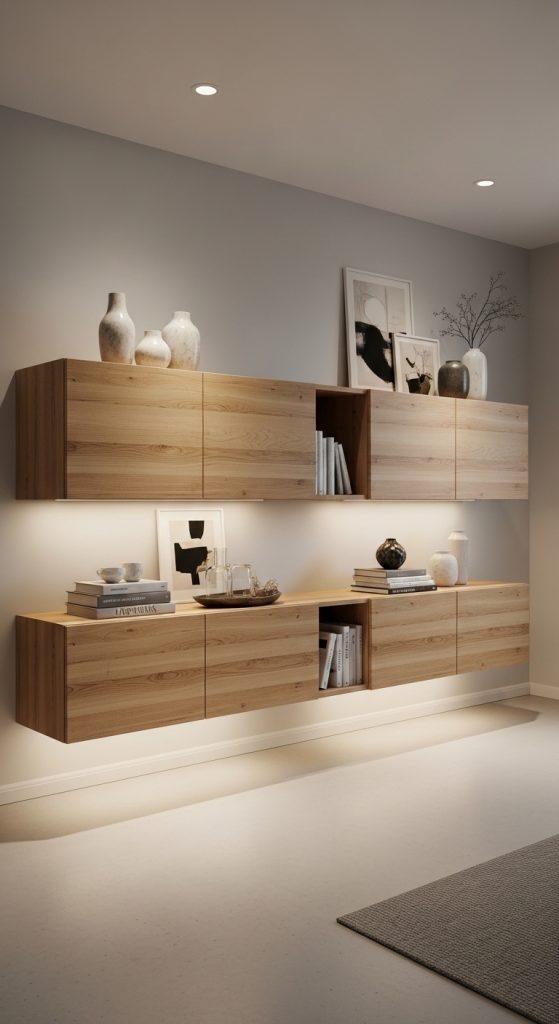
Floating wall cabinets are mounted above the floor, leaving visible space underneath, which creates a modern, minimalist aesthetic. Preparation includes ensuring that wall studs are correctly located to support the weight of the cabinets and reinforcing the structure if necessary. Materials commonly used include solid wood, laminate, and high-quality brackets or mounting systems to provide secure support.
Styling floating cabinets allows for creative display underneath or around the cabinets. In kitchens, you can use the space below for seating, countertop prep, or small storage. In living rooms, floating cabinets can hold media equipment while maintaining a clean, uncluttered look. The height of installation should be considered for functionality and visual appeal. You can also combine floating cabinets with LED lighting underneath to enhance the floating effect. This styling creates a sense of openness and modern sophistication in any room.
5. Cabinet with Integrated Lighting
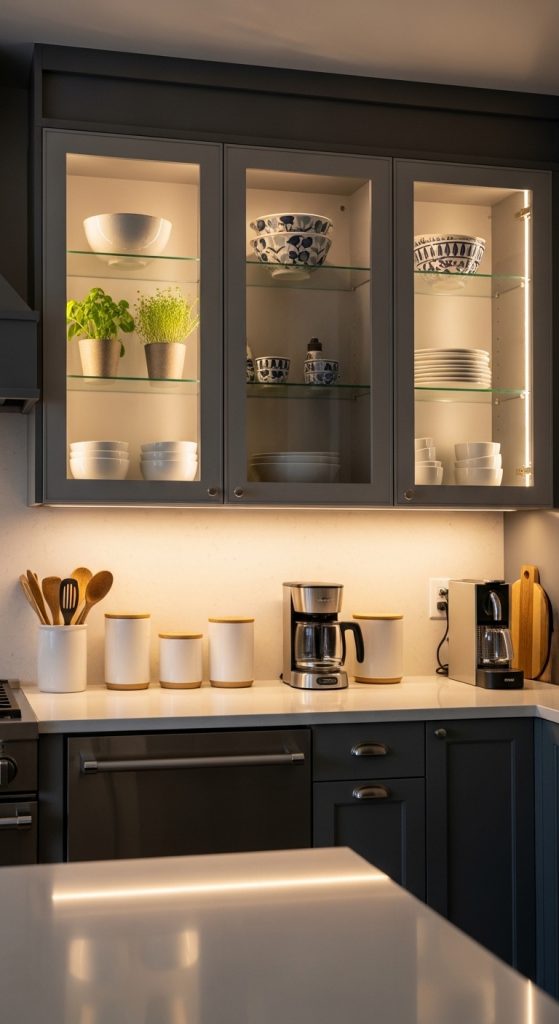
Adding lighting to wall cabinets not only highlights the cabinet design but also enhances the room’s ambiance. Integrated lighting can include LED strips, recessed lights, or puck lights inside or under the cabinets. Preparation involves electrical planning, measuring spaces, and selecting lighting that complements your room’s color temperature and style. Materials include LED fixtures, wiring, connectors, and power sources.
Styling illuminated cabinets requires thoughtful arrangement of items to maximize the effect of lighting. For interior cabinet lighting, display objects should have reflective or translucent qualities. Under-cabinet lighting in kitchens or workspaces improves visibility while cooking or working. You can also use lighting to accentuate textured backsplashes or wall finishes. Proper integration of lighting transforms ordinary wall cabinets into focal points that combine beauty and functionality, creating a warm and inviting atmosphere in any setting.
6. Minimalist Cabinets with Hidden Handles
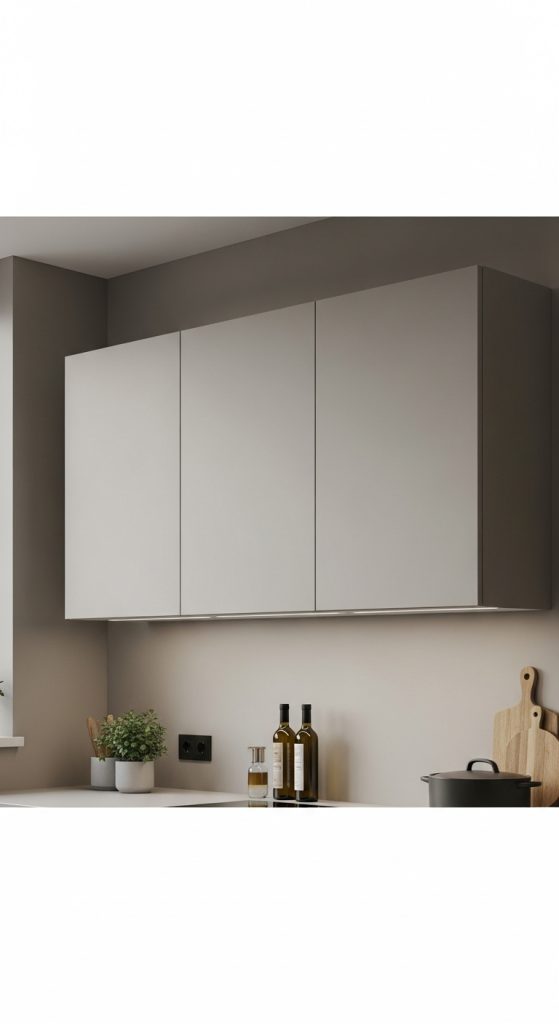
Minimalist wall cabinets emphasize simplicity and clean lines. Hidden handles, push-to-open mechanisms, or handle-less designs help achieve a sleek, modern look. Preparation includes ensuring that door alignment is precise and selecting high-quality mechanisms that function smoothly. Materials often include laminates, lacquered MDF, or natural wood with minimal grain patterns.
Styling minimalist cabinets involves keeping the surrounding space uncluttered. Limit decorative accessories and maintain consistent color schemes. Cabinets can be paired with a subtle backsplash, neutral walls, and integrated lighting to highlight simplicity without appearing sterile. This style is particularly effective in kitchens, bathrooms, and modern offices, creating a sense of calm and spaciousness. Hidden handles also reduce visual interruptions, emphasizing the cabinet’s form rather than hardware, making the design appear seamless and elegant.
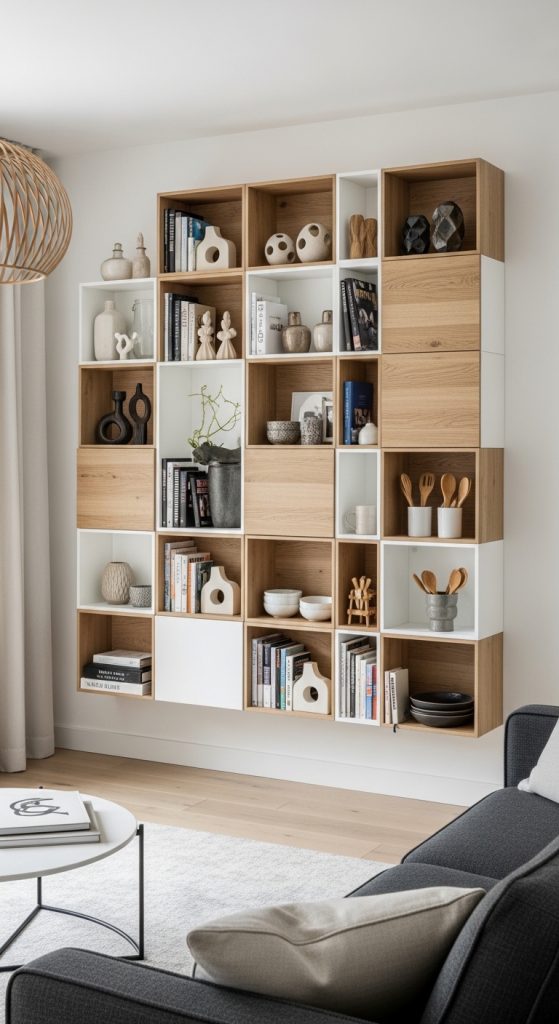
7. Open Cubby or Grid Cabinets
Open cubby or grid-style wall cabinets divide storage into smaller compartments, creating a dynamic, modular appearance. Preparation requires accurate measurement to ensure all cubbies are aligned and properly supported. Materials typically include plywood, MDF, or solid wood, depending on weight requirements and desired aesthetics. You can also incorporate decorative backing materials like patterned laminate or textured wood.
Styling involves arranging items according to size, color, or theme within each cubby. You can mix functional items, such as books or kitchenware, with decorative elements like vases or framed photos. This design is versatile, suitable for kitchens, living rooms, offices, and even entryways. Grid cabinets help break monotony and create a sense of organization without sacrificing visual appeal. By varying item placement and leaving some compartments empty, you achieve a balanced look that combines structure with creativity.
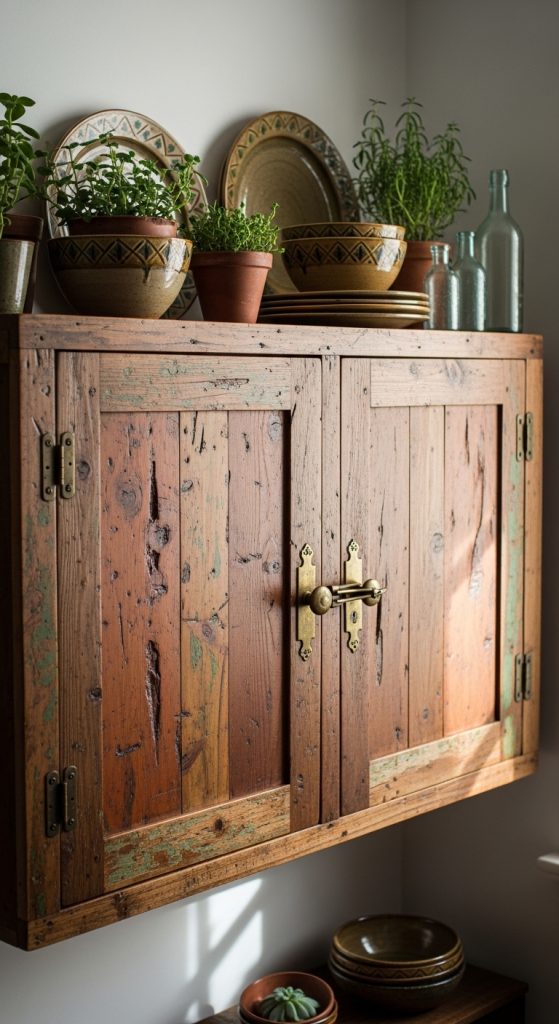
8. Vintage or Reclaimed Wood Cabinets
Using vintage or reclaimed wood for wall cabinets adds character and warmth to your space. Preparation includes sourcing quality wood, sanding, sealing, and ensuring structural stability. Materials may include reclaimed barn wood, old furniture pieces, or distressed wood veneers. Additional finishes like stains or matte varnish can enhance the rustic look.
Styling vintage cabinets involves combining them with complementary design elements, such as brass hardware, exposed brick, or neutral walls to highlight the wood’s natural beauty. You can mix old and new items, such as pairing rustic cabinets with modern kitchen appliances or contemporary decorative items. This approach works well in kitchens, living rooms, and even bathrooms, providing a cozy, nostalgic ambiance. Vintage cabinets create a timeless design that feels curated and unique, making them a focal point in any room.
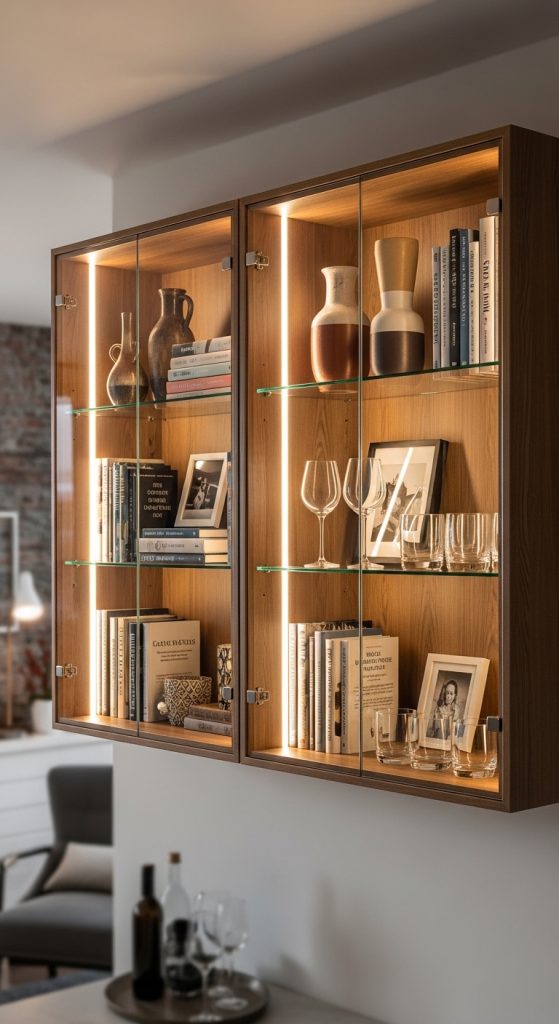
9. Glass and Wood Combination Cabinets
Combining glass with wood in wall cabinets provides a balance of transparency and warmth. Preparation includes selecting wood species, finishing techniques, and tempered glass panes. Materials needed include high-quality wood panels, glass panes, mounting hardware, and optional lighting. Proper planning ensures the glass is safely integrated without compromising durability.
Styling glass and wood cabinets involves strategic placement of objects inside the glass sections. Use a cohesive color palette and a mix of decorative and functional items. Wood frames add warmth and structure, while glass adds an airy, open feel. This combination is ideal for kitchens to showcase dishware, living rooms for display pieces, or home offices for books and décor. Lighting inside the glass compartments can enhance the effect, creating a sophisticated and harmonious design that merges natural materials with modern aesthetics.
10. Painted Cabinets with Bold Colors
Painting wall cabinets with bold colors is an excellent way to make a statement and express personality. Preparation involves sanding, priming, and using high-quality paint suitable for cabinets. Materials include paint brushes, rollers, painter’s tape, and possibly a spray gun for smooth finishes. Choosing the right color requires considering the room’s lighting, size, and existing color scheme.
Styling bold-colored cabinets involves pairing them with neutral walls and subtle countertops to avoid overwhelming the space. Complementary hardware can enhance the overall effect, and combining bold colors with other textures like marble, wood, or metal creates a balanced design. This approach works particularly well in kitchens, home offices, or creative spaces, where the cabinets become a central design feature. Bold colors can uplift a room’s mood, add visual energy, and make wall cabinets the ultimate design statement.