Before painting, proper preparation is essential. This includes cleaning walls, repairing cracks, sanding rough areas, and choosing the right type of paint. Bathrooms require moisture-resistant paints, usually satin, semi-gloss, or special bathroom paints with mildew resistance. Using quality brushes, rollers, painter’s tape, and primer helps ensure a smooth and long-lasting finish. Ventilation is also important during painting and after, as it helps the paint cure properly and prevents moisture buildup later.
In this detailed guide, we explore ten popular bathroom paint colors that homeowners and designers consistently prefer. Each color offers a unique mood and works well with different bathroom styles. Along with color ideas, you will learn about preparation, materials, and practical usage tips to help you achieve a professional result that lasts for years.
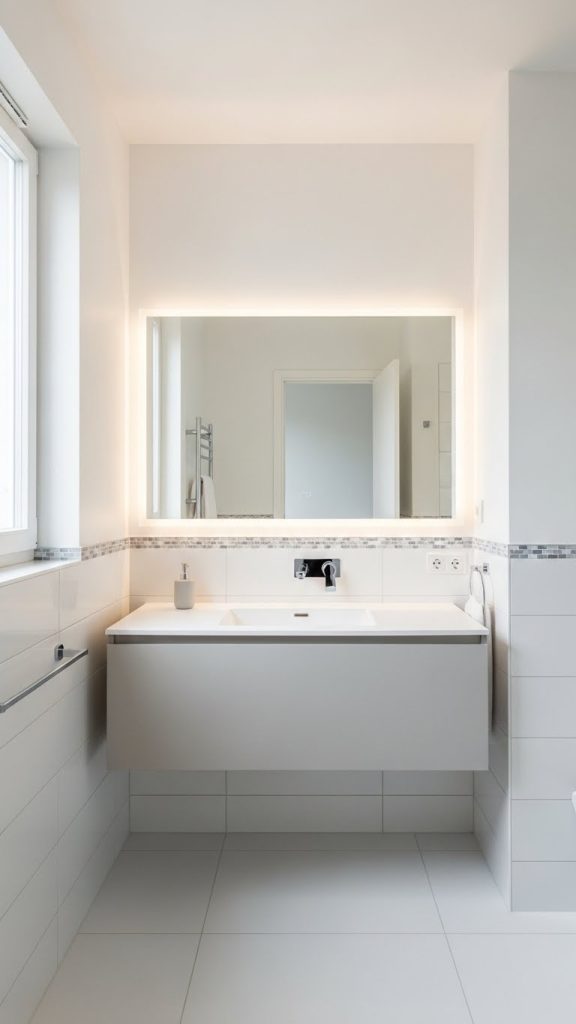
1. Classic White
White is one of the most popular bathroom paint colors and for good reason. It creates a clean, fresh, and timeless look that suits almost any bathroom size or style. White reflects light well, making small or windowless bathrooms feel brighter and more open. It also pairs easily with all types of tiles, fixtures, and accessories, allowing flexibility in design changes over time.
Before using white paint, wall preparation is very important. Any stains, cracks, or uneven areas will show more clearly on white walls. Clean the walls thoroughly to remove soap residue and moisture marks. Fill holes or cracks with wall filler, sand the surface smooth, and apply a good primer to ensure even coverage. Use moisture-resistant bathroom paint in satin or semi-gloss finish for easy cleaning.
White works well in modern, minimalist, and traditional bathrooms. You can warm it up with wooden vanities or soften it with beige or light gray accents. For a crisp look, pair white walls with chrome or matte black fixtures. Regular cleaning helps maintain its fresh appearance, as white can show dirt more easily than darker shades.