10 Front Yard Landscaping ideas
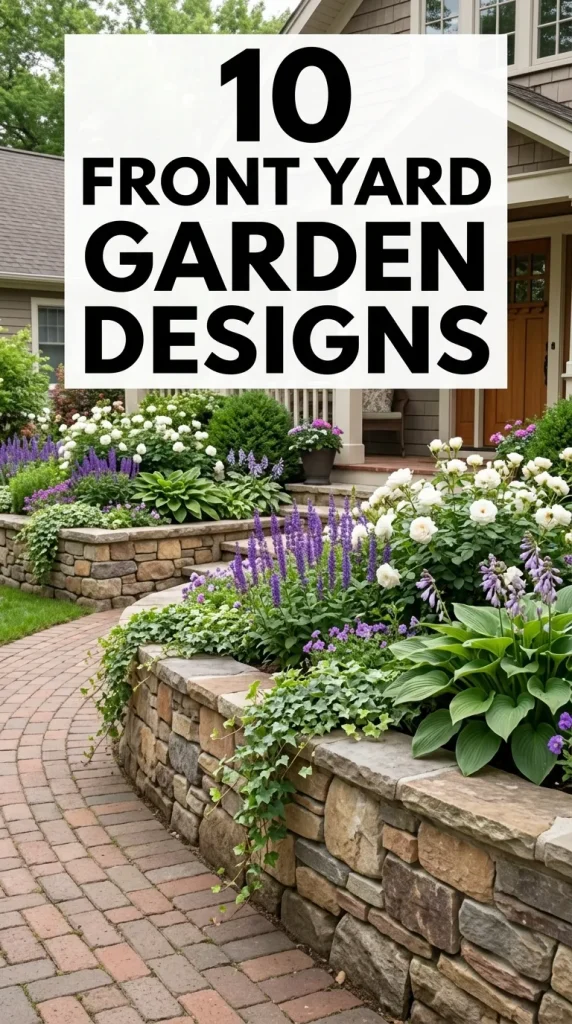
Designing a beautiful front yard requires creativity, planning, and understanding of how each element complements the home’s architecture. A well-designed landscape can enhance curb appeal, increase property value, and create a welcoming entryway. In this comprehensive guide, we will explore ten front yard landscaping ideas, detailing the preparation, materials, and execution process for each.
1. Lush Green Lawn Design
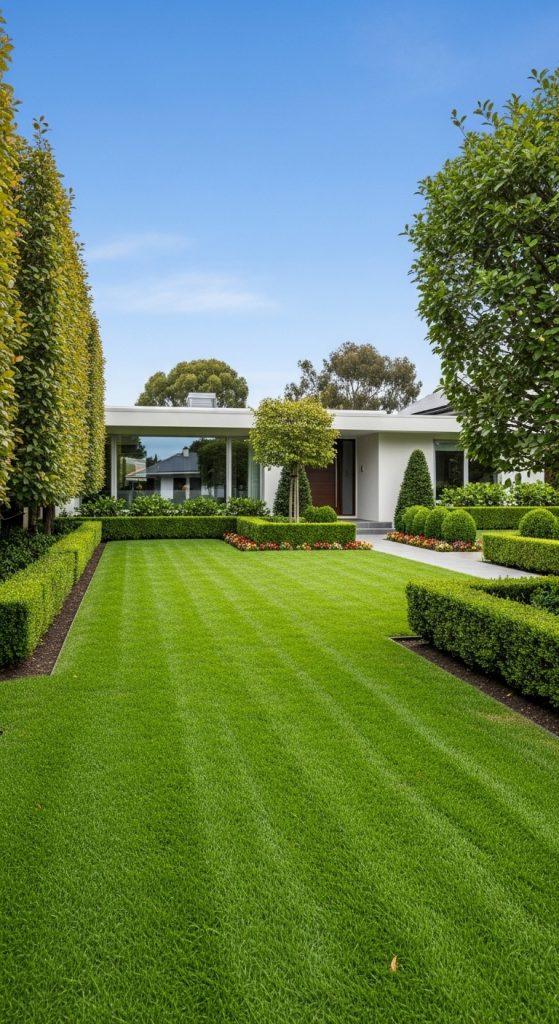
A lush, green lawn remains one of the most classic front yard landscaping ideas. It creates a clean and fresh look that highlights your home’s exterior. To prepare, start by clearing the area of weeds and debris. Level the ground using a rake, ensuring good drainage. Choose a high-quality grass type suitable for your region, such as Bermuda, Kentucky Bluegrass, or Fescue. Proper soil preparation is crucial; use a mix of topsoil and compost to enrich the ground.
Watering is essential in the first few weeks after sowing or installing sod. A well-maintained irrigation system ensures consistent moisture. Regular mowing keeps the grass healthy and neat, while applying fertilizer twice a year promotes thick growth. The simplicity of a green lawn complements any home style, from modern to traditional. Bordering your lawn with flowering shrubs or stone edging adds texture and color contrast, making it visually appealing. A lush lawn not only enhances curb appeal but also creates a welcoming atmosphere for guests.
2. Pathways and Walkways
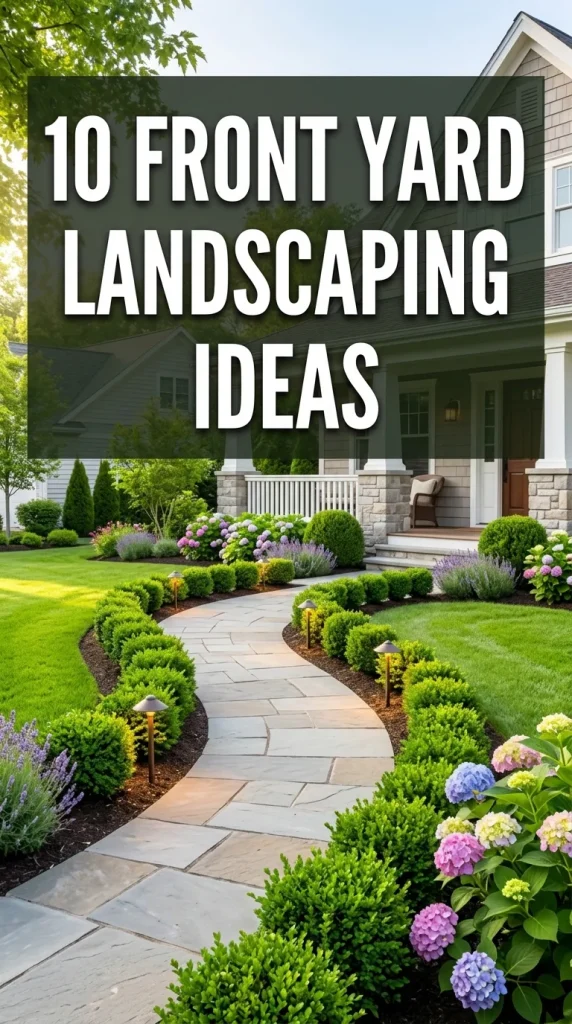
Adding pathways is both functional and aesthetic. A well-designed walkway guides visitors from the curb to the front door while enhancing the yard’s structure. Preparation involves mapping out the path layout with stakes and string to determine shape and direction. Curved pathways often look more natural, while straight paths suit contemporary homes.
Choose materials that match your home’s style, such as natural stone, pavers, bricks, or gravel. Dig a trench about four inches deep and add a layer of crushed stone for drainage before laying the surface material. Secure the edges with landscape borders or concrete curbs.
Pathways can be accented with solar lights or low garden lighting for a subtle evening glow. Plant low-growing shrubs or colorful flowers along the borders to add life and softness. The choice of materials can create different moods—natural stones for a rustic appeal, smooth concrete for modern designs, or red bricks for traditional charm. A well-crafted walkway not only improves accessibility but also adds rhythm and direction to your front yard landscape.
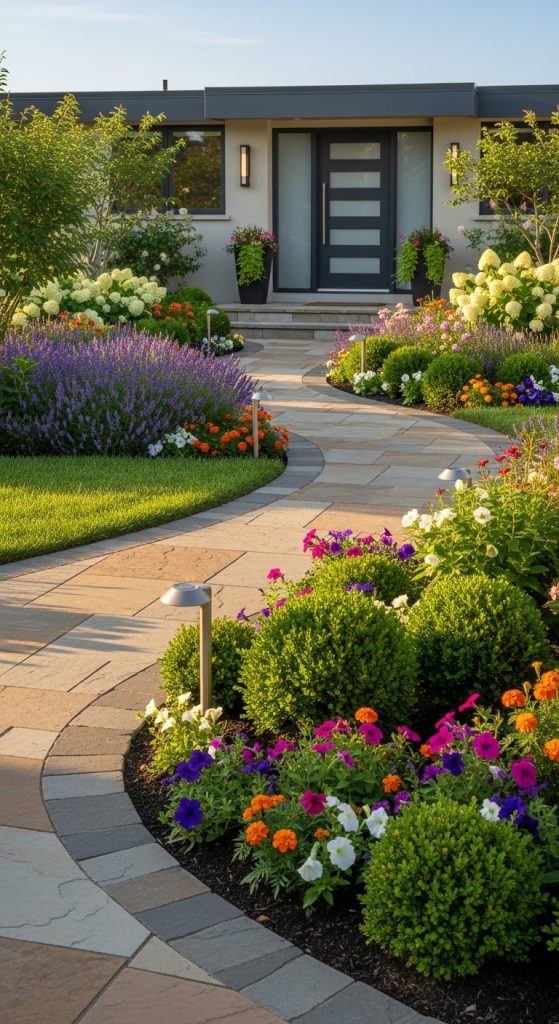
3. Flower Bed Arrangements
Flower beds bring vibrant colors and textures to your front yard. The key to creating beautiful flower beds is planning and layering. Start by selecting a location with adequate sunlight and good soil drainage. Remove weeds and loosen the soil, adding compost or organic fertilizer to enhance nutrients.
Choose a combination of perennial and annual flowers to ensure year-round color. Taller plants should be placed at the back, medium-height flowers in the middle, and shorter varieties along the front edge. For example, combine hydrangeas, marigolds, and petunias for a balanced color palette. Mulch is an essential material to retain soil moisture and prevent weed growth.
Regular maintenance, including deadheading spent flowers and pruning, keeps the bed vibrant. Drip irrigation systems provide efficient watering. Adding stone or wood borders defines the bed and keeps soil from spreading. Well-planned flower beds highlight your entryway and can be tailored to any theme, from tropical to minimalist. They serve as a focal point, bringing life and energy to your front yard design.
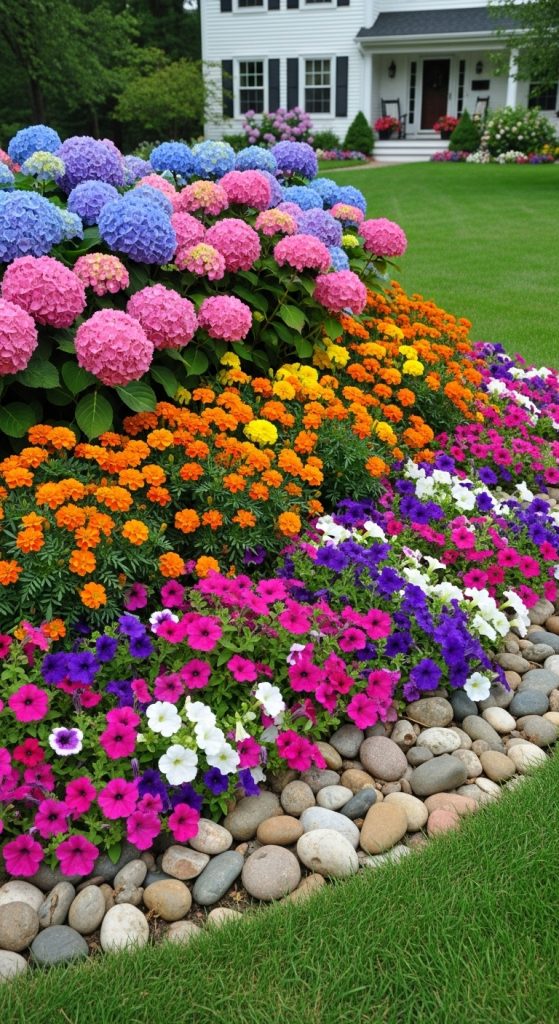
4. Front Yard Trees and Shrubs
Incorporating trees and shrubs adds depth, structure, and shade to your landscape. Preparation begins with selecting appropriate species that fit your yard size and climate. Smaller ornamental trees like Japanese Maple, Dogwood, or Magnolia are perfect for compact spaces, while shade trees like Oak or Maple suit larger yards.
Mark the planting spots carefully, ensuring the tree’s mature size will not interfere with power lines or the house structure. Dig a hole twice as wide as the root ball and mix compost into the soil. Water thoroughly after planting. Mulch around the base to retain moisture.
Shrubs provide a soft transition between the lawn and house. Boxwood, azalea, or holly shrubs add color and structure year-round. Regular pruning maintains shape and health. Grouping shrubs in odd numbers often looks more natural. The combination of trees and shrubs creates a layered look and improves privacy. Trees also cool the area, reduce noise, and increase the property’s environmental value. Thoughtful placement of greenery defines your yard and enhances architectural balance.
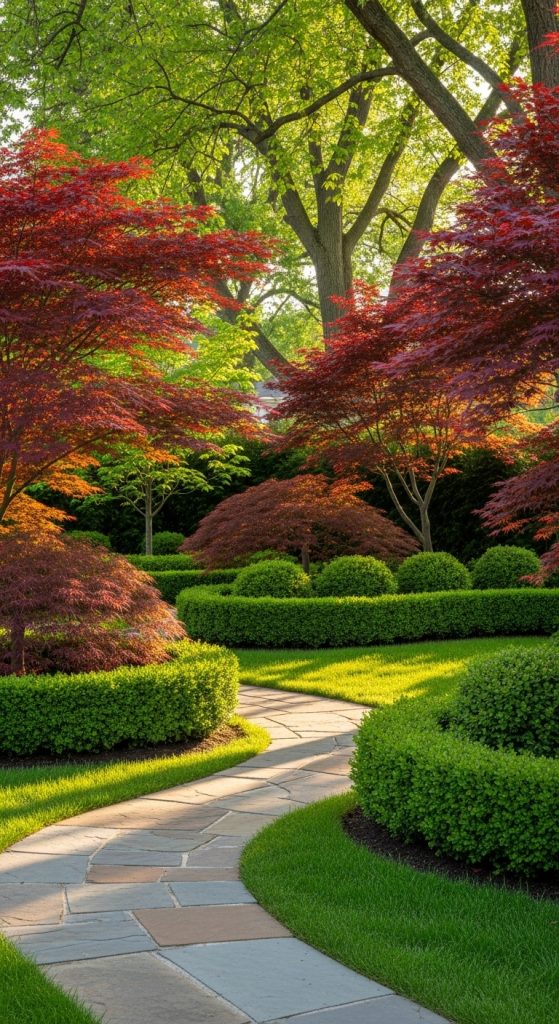
5. Rock Gardens
Rock gardens add texture and natural charm, especially in low-maintenance or drought-prone areas. Preparation starts by selecting a slightly elevated or sloped area for good drainage. Remove weeds and lay a landscape fabric to prevent regrowth.
Choose rocks of different sizes and shapes for a natural appearance. Position larger stones first as anchors, then fill in with smaller ones. Add gravel or pebbles between rocks for contrast. Select plants that thrive in rocky conditions, such as succulents, sedum, lavender, or ornamental grasses.
A well-constructed rock garden requires minimal watering once established. Rocks also help retain soil moisture and prevent erosion. Complement the design with driftwood or decorative pots for added interest. Lighting can highlight textures at night, giving the garden a unique appeal.
Rock gardens blend well with modern and rustic landscapes, offering year-round beauty without constant maintenance. They provide visual balance and can serve as focal points near the entrance or driveway. This landscaping idea combines practicality with aesthetics, perfect for homeowners who prefer sustainable, water-efficient gardens.
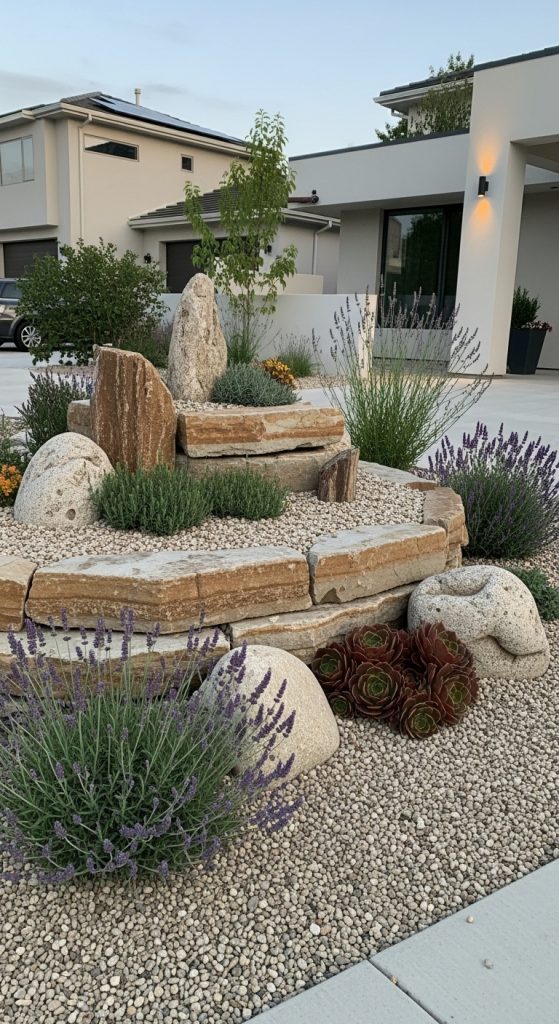
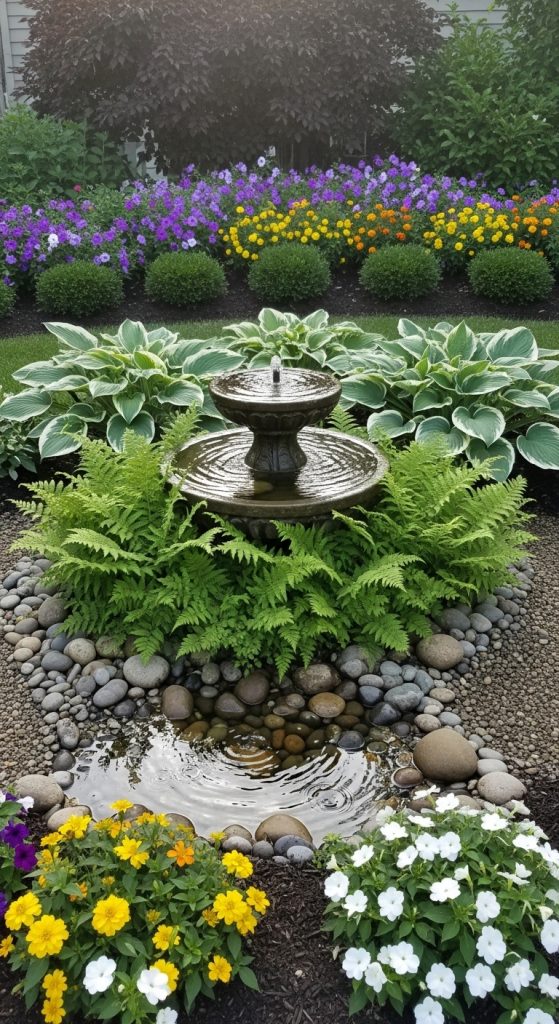
6. Water Features
Adding a water feature instantly elevates the front yard’s appeal, introducing tranquility and movement. Preparation involves determining the best location—ideally near the entrance or visible from the windows. Ensure access to electricity if installing a pump.
Materials include a water basin, pump, stones, and decorative elements like ceramic pots or sculptures. You can choose between fountains, ponds, or small waterfalls depending on your space and budget. Installing a simple recirculating fountain is ideal for beginners since it requires minimal plumbing.
Surround the water feature with rocks and plants like ferns or hostas to create a natural look. Lighting can enhance the water’s reflection at night. Maintenance includes cleaning the pump and refilling water lost to evaporation.
The soothing sound of flowing water creates a calming environment and masks street noise. It attracts birds and butterflies, adding liveliness to your landscape. A thoughtfully designed water feature serves as a centerpiece that blends aesthetics with sensory pleasure, making your front yard more inviting and serene.
7. Outdoor Lighting Design
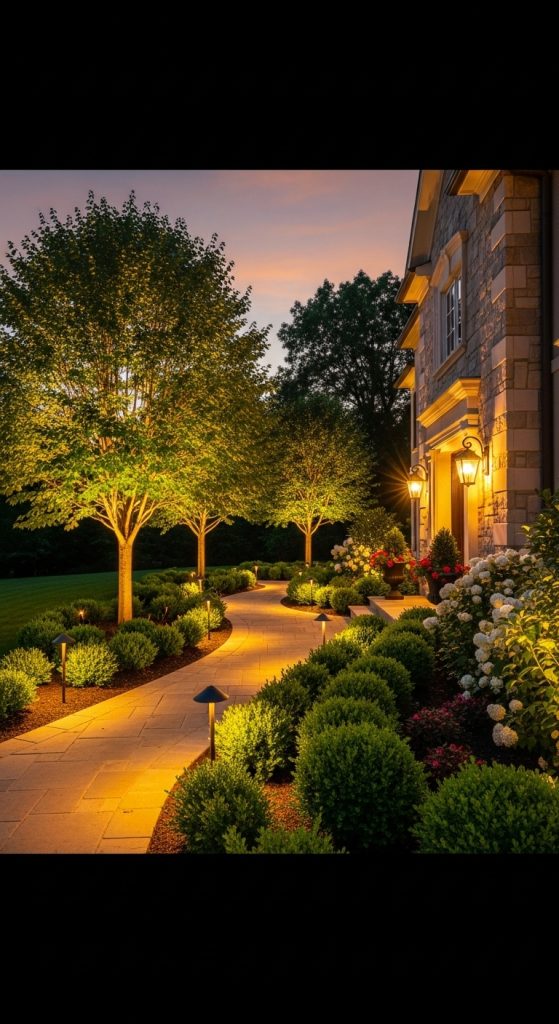
Outdoor lighting enhances both safety and ambiance in your front yard. Preparation begins with mapping key areas to illuminate, such as pathways, entryways, and landscape features. Choose energy-efficient LED or solar lights for sustainability.
Use layered lighting techniques: pathway lights for safety, uplights to accent trees, and wall-mounted sconces near doors for architectural emphasis. Spotlights can highlight flower beds or water features. Low-voltage lighting systems are easy to install and safer for residential use.
Materials include weatherproof fixtures, transformers, and wiring. Ensure connections are well-insulated to withstand moisture. A timer or motion sensor system adds convenience and energy savings.
Well-designed lighting not only extends the usability of outdoor spaces after dark but also enhances security. It creates a warm, welcoming glow that makes the house appear more elegant. Properly balanced illumination can transform a simple yard into a sophisticated landscape. Lighting adds depth, texture, and charm, making your home stand out even at night.
8. Driveway Landscaping
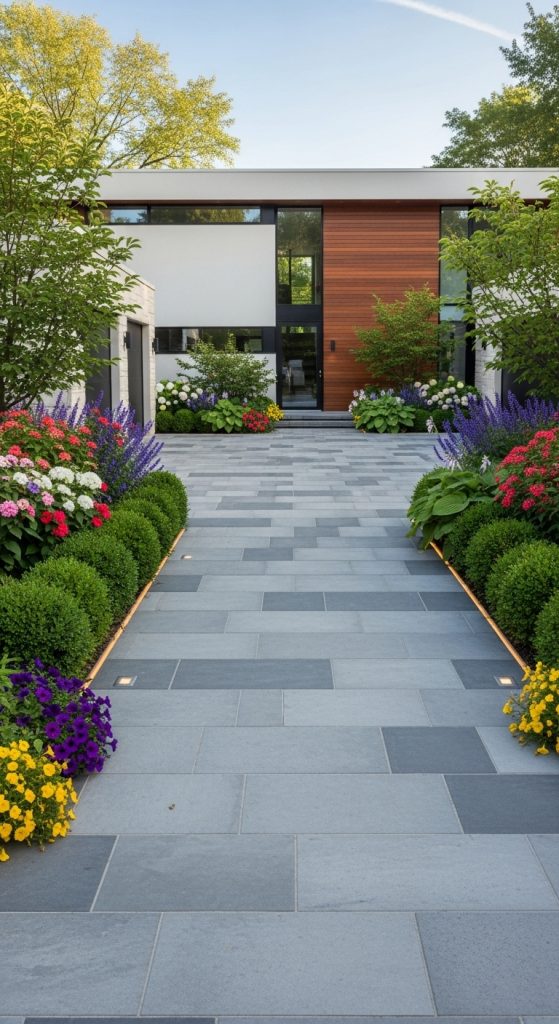
The driveway is a major visual element in the front yard and deserves thoughtful landscaping. Begin by selecting a durable surface material such as concrete, pavers, gravel, or asphalt. Plan the layout based on traffic flow and available space.
Adding borders with bricks or stones creates a polished look. Plant low-maintenance shrubs or groundcovers like creeping thyme along the sides for softness. Installing lighting fixtures along the edges ensures visibility and safety.
Consider integrating a decorative median or strip with gravel, ornamental grasses, or flowers for a modern aesthetic. Regular cleaning and sealing prevent cracks and stains. For eco-friendly options, permeable pavers allow water to drain through, reducing runoff.
A well-designed driveway enhances curb appeal while improving functionality. It sets the tone for the entire landscape and reflects the homeowner’s style. Combining structural elements with greenery creates a balanced and inviting approach to your home.
9. Front Porch Landscaping
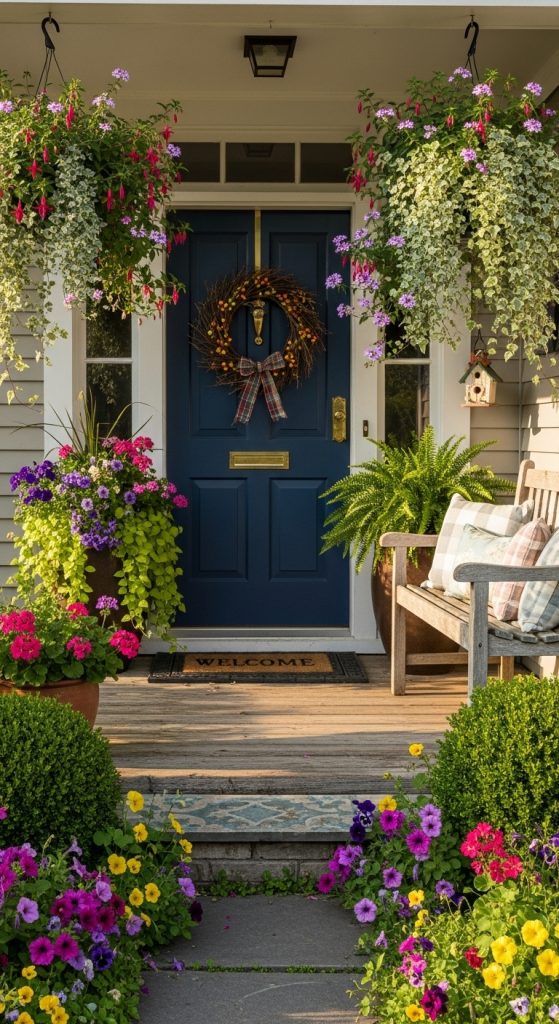
Your front porch acts as a transition between outdoor and indoor spaces, making it essential to landscape it thoughtfully. Preparation involves cleaning the area, repainting surfaces if needed, and planning decorative accents.
Use potted plants to add color and life to the porch. Choose symmetrical arrangements on both sides of the entrance for a balanced look. Mix different pot sizes and materials like clay, wood, or metal to add texture. Hanging baskets filled with cascading flowers enhance vertical interest.
Adding a small bench, lanterns, or a doormat completes the welcoming atmosphere. Choose plants suited for partial shade, such as ferns, impatiens, or hostas. Regular watering and pruning maintain their appearance.
Porch landscaping ties the house with the garden, offering a cozy and inviting appeal. It highlights architectural features and makes guests feel welcomed even before entering. A well-decorated porch reflects personal style and sets a positive tone for the entire property.
10. Sustainable and Low-Maintenance Landscaping
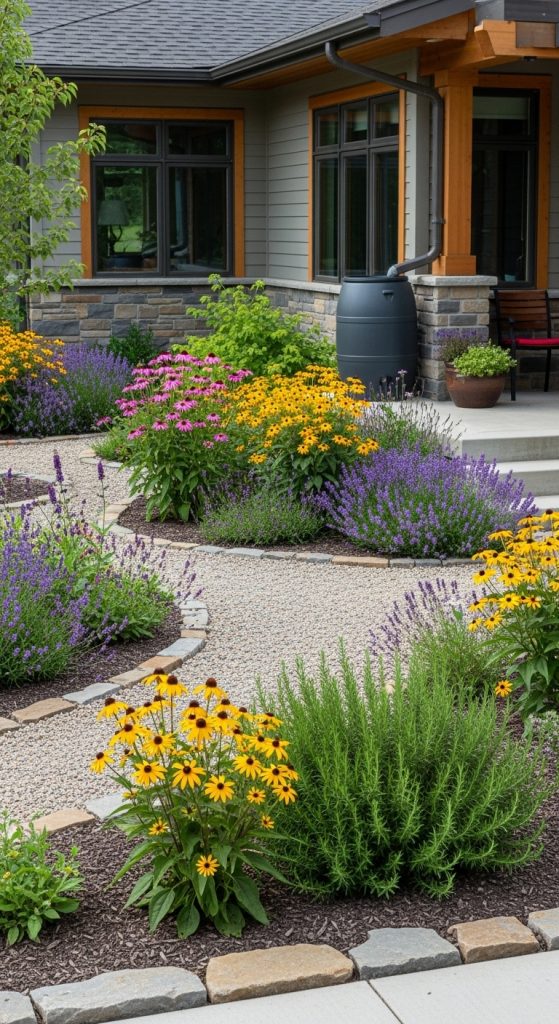
For homeowners seeking long-term beauty without high upkeep, sustainable landscaping is ideal. Preparation includes evaluating soil, sunlight, and drainage conditions to select appropriate native plants. Native species require less water, fertilizer, and care while supporting local wildlife.
Use drought-tolerant plants like succulents, lavender, or ornamental grasses. Replace some lawn areas with gravel or mulch beds to reduce water use. Drip irrigation systems are efficient and minimize waste.
Incorporate composting areas and rain barrels to recycle natural resources. Mulch reduces evaporation and prevents weed growth. Permeable walkways and driveways improve water absorption.
Sustainable landscaping emphasizes harmony with the environment while maintaining visual appeal. It reduces maintenance time, conserves water, and promotes biodiversity. By integrating green practices, homeowners enjoy a beautiful yard that remains functional and environmentally responsible. This approach represents the future of modern landscaping, combining aesthetics with ecological balance.