10. Meeting Safety and Building Code Requirements
Safety and building codes are essential considerations when building a basement apartment kitchen. Many cities have specific regulations for basement apartments, especially if they are intended for rental purposes.
Electrical wiring must meet local safety standards. Kitchens require multiple dedicated circuits for appliances such as refrigerators, microwaves, and dishwashers. Ground fault circuit interrupter outlets should be installed near sinks and countertops to reduce the risk of electrical shock.
Proper fire safety measures are also necessary. Smoke detectors and carbon monoxide detectors should be installed in the basement apartment. Fire-resistant materials may be required for walls and ceilings.
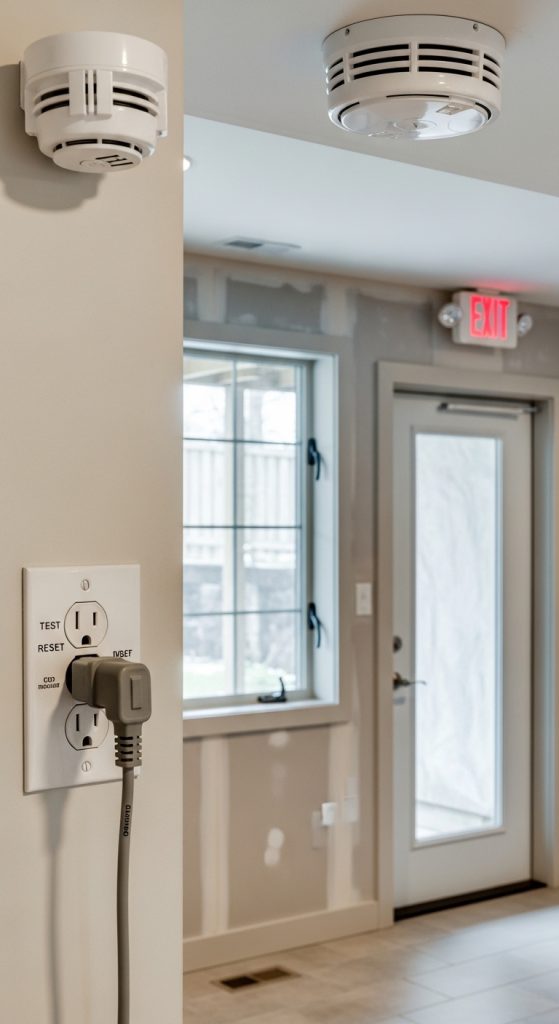
Adequate ceiling height and emergency exits are also part of many building codes. Basement apartments often require egress windows or exterior doors to ensure safe evacuation during emergencies.
Obtaining the necessary permits before starting construction helps ensure the kitchen meets all legal requirements. Working with qualified electricians, plumbers, and contractors can also reduce safety risks.
Following building codes protects both the homeowner and the occupants while ensuring the basement kitchen remains safe and legally compliant.