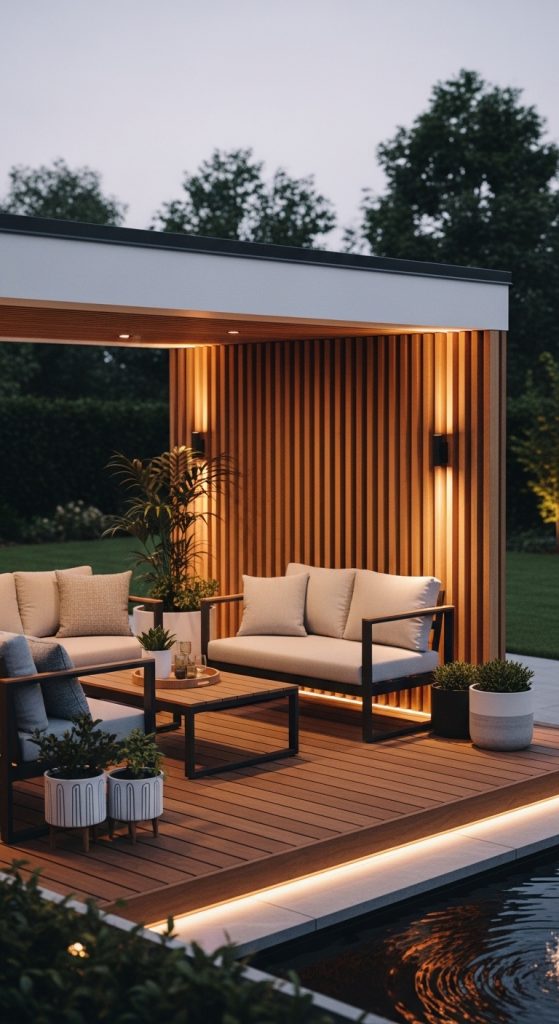
10 Deck Privacy ideas
A backyard deck is one of the best places to relax, entertain guests, and enjoy fresh air. However, without proper privacy, your peaceful outdoor space can feel exposed to neighbors or nearby streets. Whether you live in a busy neighborhood or simply want a more intimate setting, adding privacy to your deck can completely transform your experience.
Creating a private deck does not always require expensive renovations or complicated construction. With the right ideas, materials, and a bit of planning, you can design a space that feels cozy, stylish, and secluded. From natural solutions like plants to structural additions like screens and pergolas, there are many ways to block unwanted views while enhancing the overall look of your deck.
In this guide, you will find ten practical and creative deck privacy ideas. Each idea includes details about preparation, materials, and useful tips to help you choose what works best for your space and budget. Whether you prefer a modern design or a more natural look, these ideas will help you create a private outdoor retreat you can enjoy year-round.
1. Install Privacy Screens
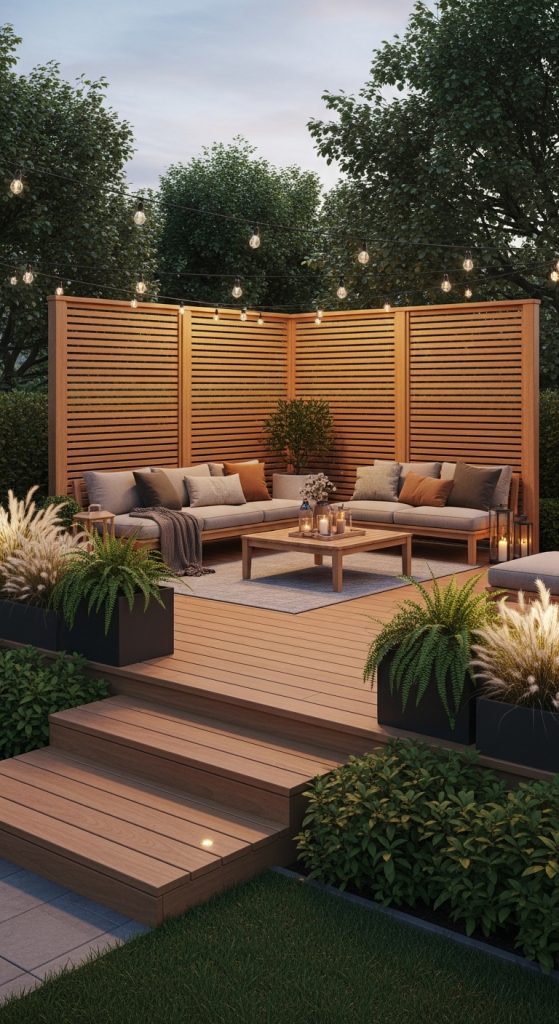
Privacy screens are one of the simplest and most effective ways to add instant seclusion to your deck. They come in a variety of styles, including wooden panels, metal designs, and composite materials. You can choose a solid screen for full privacy or a decorative pattern that allows some light and airflow.
Before installing, measure your deck area carefully and determine where privacy is most needed. Common spots include the sides facing neighbors or areas near seating arrangements. Make sure your deck structure can support the screen, especially if it is heavy.
Materials needed include pre-made panels or custom wood boards, screws, brackets, and a drill. For wooden screens, consider weather-resistant wood like cedar or treated lumber. Metal screens are durable and require less maintenance but may cost more.
Installation usually involves securing the panels to posts or directly to the deck frame. For a more flexible option, you can use freestanding screens that can be moved as needed.
To enhance the look, consider painting or staining the screen to match your deck. Adding climbing plants can also soften the appearance and make the space feel more natural.
2. Use Outdoor Curtains
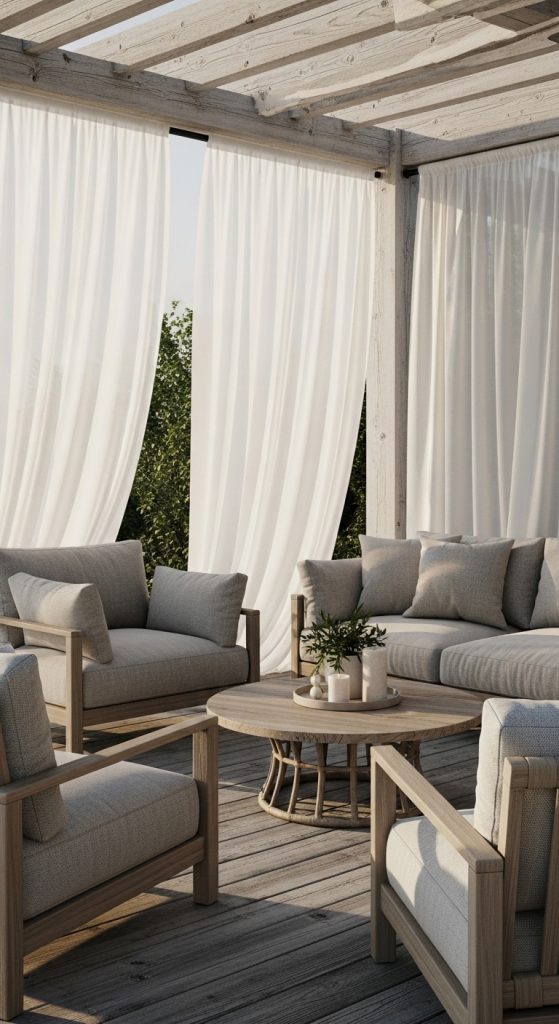
Outdoor curtains are a stylish and flexible solution for deck privacy. They allow you to open up your space when you want light and airflow, and close it when you need privacy. This makes them ideal for decks used for both relaxing and entertaining.
Start by installing a sturdy rod or cable system around the area where you want coverage. Make sure it is securely attached to posts or beams. If your deck does not already have a structure, you may need to install vertical posts.
Choose weather-resistant fabric designed for outdoor use. These materials are usually water-resistant, fade-resistant, and easy to clean. Neutral colors create a calm atmosphere, while bold patterns can add personality.
You will need curtains, rods or cables, hooks or rings, and mounting hardware. Measure the height and width carefully to ensure full coverage.
One advantage of curtains is their versatility. You can tie them back during the day and close them in the evening for more privacy. They also help block sunlight and reduce glare.
Regular maintenance includes washing the fabric and checking for wear. During harsh weather, it is a good idea to secure or remove them to prevent damage.
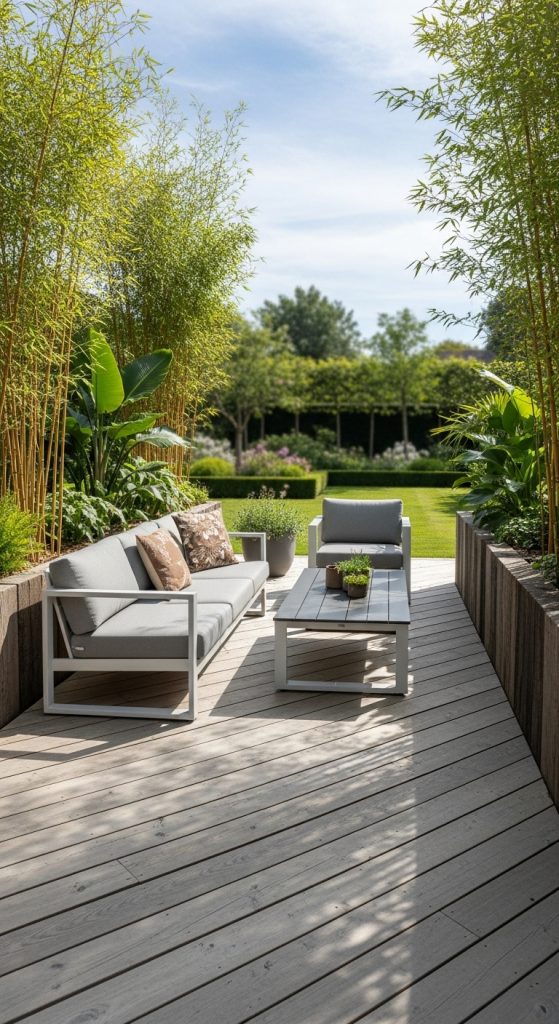
3. Add Tall Planters with Greenery
Using plants for privacy is a natural and visually appealing option. Tall planters filled with dense greenery can act as a living wall, providing both privacy and a refreshing atmosphere.
Begin by selecting planters that are large enough to support healthy plant growth. Materials like wood, ceramic, or plastic are all suitable, but ensure they have proper drainage.
Choose plants that grow tall and dense. Options include bamboo, ornamental grasses, shrubs, or small trees. Consider your local climate and sunlight conditions when selecting plants.
Position the planters along the edges of your deck where privacy is needed most. For better coverage, place them close together. You can also mix different plant types for a layered look.
Maintenance is important for this option. Regular watering, trimming, and fertilizing will keep the plants healthy and effective as a privacy barrier.
This approach not only adds privacy but also improves air quality and creates a peaceful, natural environment. It is especially suitable for those who enjoy gardening and want to bring more greenery into their outdoor space.
4. Build a Pergola with Drapes
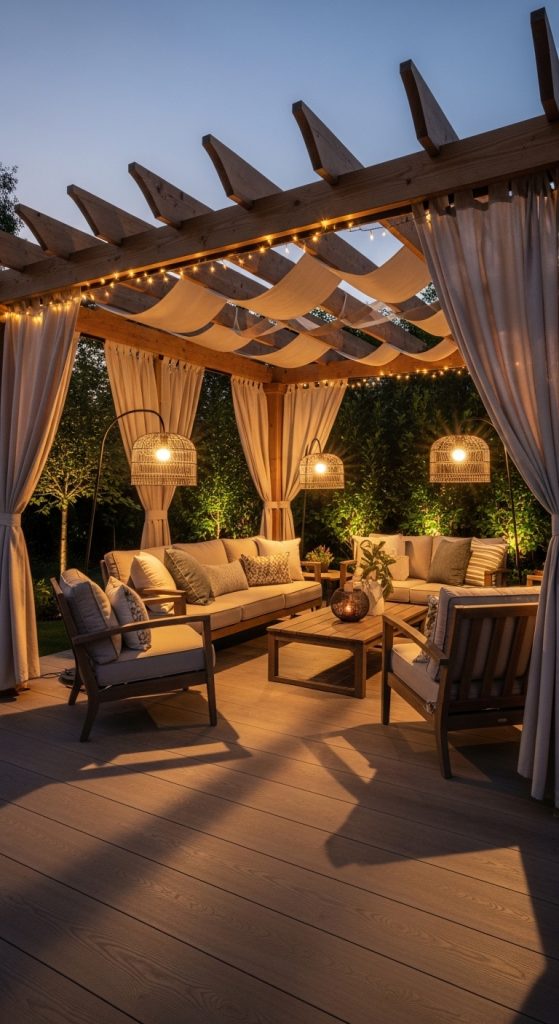
A pergola adds structure and elegance to your deck while providing an excellent framework for privacy features. When combined with drapes or fabric panels, it creates a cozy and sheltered environment.
Start by planning the size and placement of the pergola. It should cover the main seating or dining area of your deck. Ensure the deck can support the weight, or reinforce it if necessary.
Materials typically include wood or metal beams, posts, screws, and anchors. Wooden pergolas offer a classic look, while metal versions are more modern and durable.
Once the structure is in place, add outdoor curtains or fabric panels. These can be attached to rods or tracks installed along the pergola beams.
The drapes can be opened or closed depending on your needs, giving you control over privacy and sunlight. You can also add climbing plants like vines to grow over the pergola for additional coverage.
Regular maintenance includes checking the structure for stability and cleaning the fabric. With proper care, a pergola can become the centerpiece of your outdoor living space.
5. Install Lattice Panels
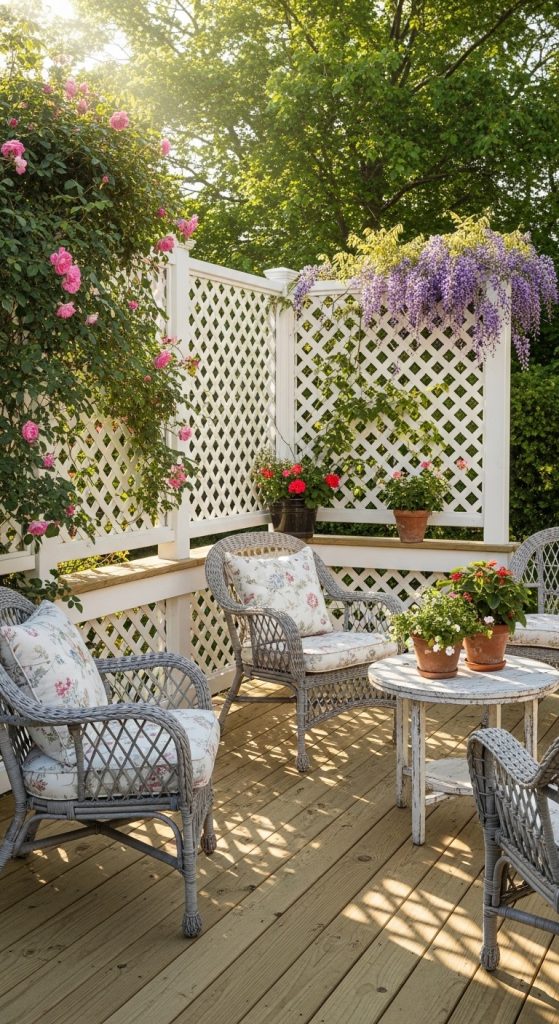
Lattice panels are a classic choice for deck privacy. They provide partial coverage while still allowing light and air to pass through, making the space feel open yet protected.
First, decide where to install the lattice panels. They can be attached to the sides of the deck, used as a backdrop, or even placed overhead for added shade.
Materials include wooden or vinyl lattice sheets, posts, screws, and a saw for cutting. Wood offers a traditional look but requires regular maintenance, while vinyl is low-maintenance and weather-resistant.
Installation involves securing the panels to a frame or directly to deck posts. Make sure they are firmly attached to withstand wind and weather.
One of the best features of lattice panels is their ability to support climbing plants. Adding vines like ivy or jasmine can increase privacy over time and enhance the visual appeal.
Painting or staining the lattice to match your deck can create a cohesive look. This option is affordable, easy to install, and highly customizable.
6. Create a Vertical Garden Wall
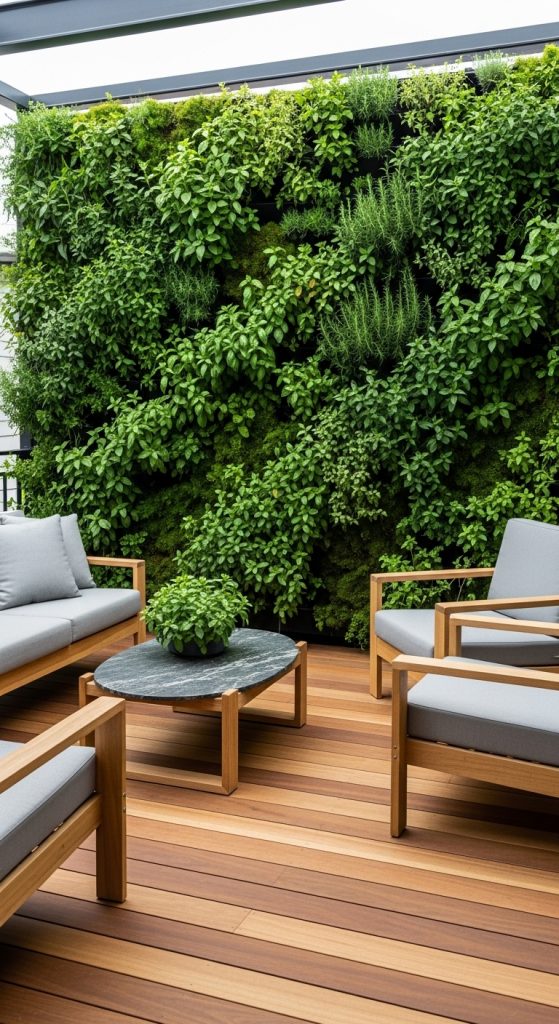
A vertical garden wall is both a privacy solution and a decorative feature. It uses mounted planters or pockets filled with plants to create a green wall that blocks views and adds beauty.
Start by selecting a sturdy wall or frame to support the garden. This could be an existing wall, a wooden frame, or a metal grid system.
Materials include planters, soil, plants, and mounting hardware. Choose lightweight planters to reduce strain on the structure.
Select plants that thrive in vertical conditions, such as ferns, herbs, succulents, or trailing vines. Make sure they suit your climate and the amount of sunlight your deck receives.
Install the planters securely and arrange them in a pattern that provides full coverage. Watering systems like drip irrigation can make maintenance easier.
This option requires regular care, including watering, pruning, and checking for pests. However, the result is a lush, living wall that offers both privacy and a unique design element.
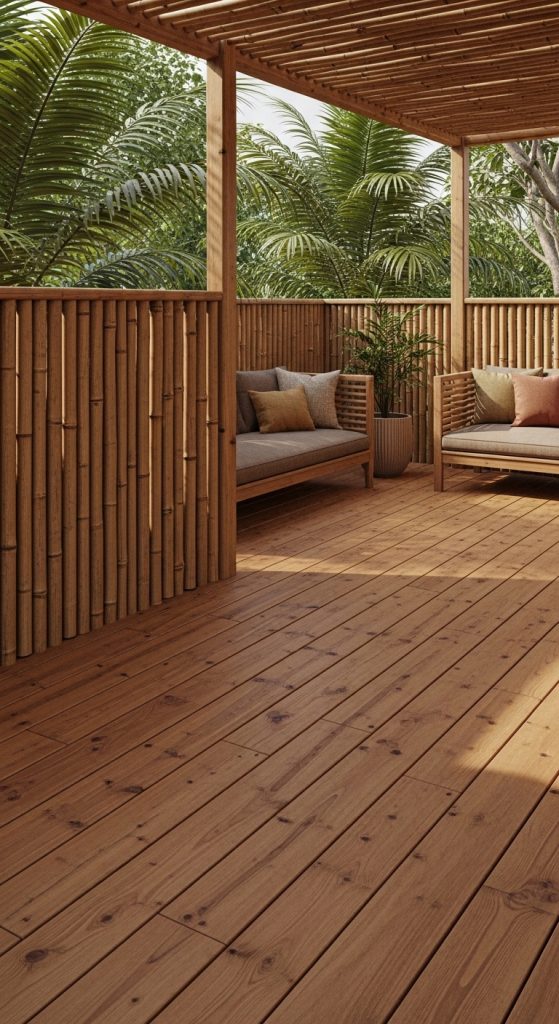
7. Use Bamboo Fencing
Bamboo fencing is an eco-friendly and cost-effective way to add privacy to your deck. It has a natural look that blends well with outdoor environments.
Before installation, measure the area where you want to place the fencing. Bamboo panels or rolls are available in different heights and thicknesses.
Materials include bamboo fencing, zip ties or screws, and a supporting structure like a railing or frame. Bamboo is lightweight, making it easy to handle and install.
Attach the bamboo fencing to your deck railing or posts, ensuring it is secure and evenly aligned. For added durability, consider treating the bamboo with a weather-resistant sealant.
Bamboo fencing provides good coverage while still allowing some airflow. It is ideal for creating a tropical or relaxed atmosphere.
Maintenance is minimal, but you should check for wear and replace damaged sections as needed. This option is perfect for those looking for a quick and natural privacy solution.
8. Install Frosted Glass Panels
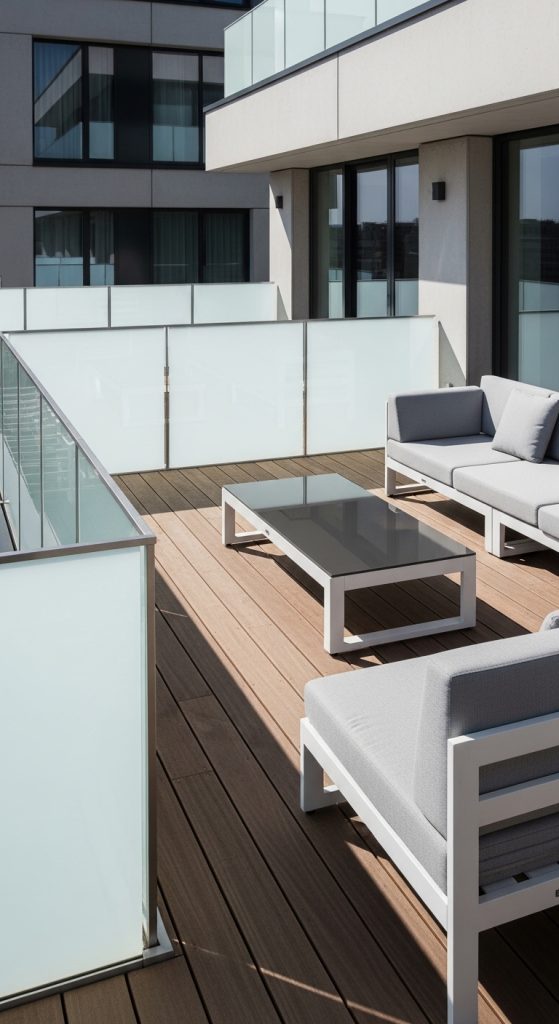
Frosted glass panels offer a modern and sleek way to achieve privacy without blocking light. They are ideal for contemporary deck designs.
Start by determining the areas where you need privacy. Glass panels are often used as railings or partitions.
Materials include tempered frosted glass, metal or wooden frames, and mounting hardware. Tempered glass is strong and safe for outdoor use.
Installation should be done carefully, and in some cases, professional help may be needed due to the weight and fragility of the material.
Frosted glass allows light to pass through while obscuring visibility, creating a bright yet private space. It is also resistant to weather and easy to clean.
Regular maintenance involves cleaning the glass and checking the fittings. This option is more expensive but offers a high-end look and long-lasting performance.
9. Add Shade Sails
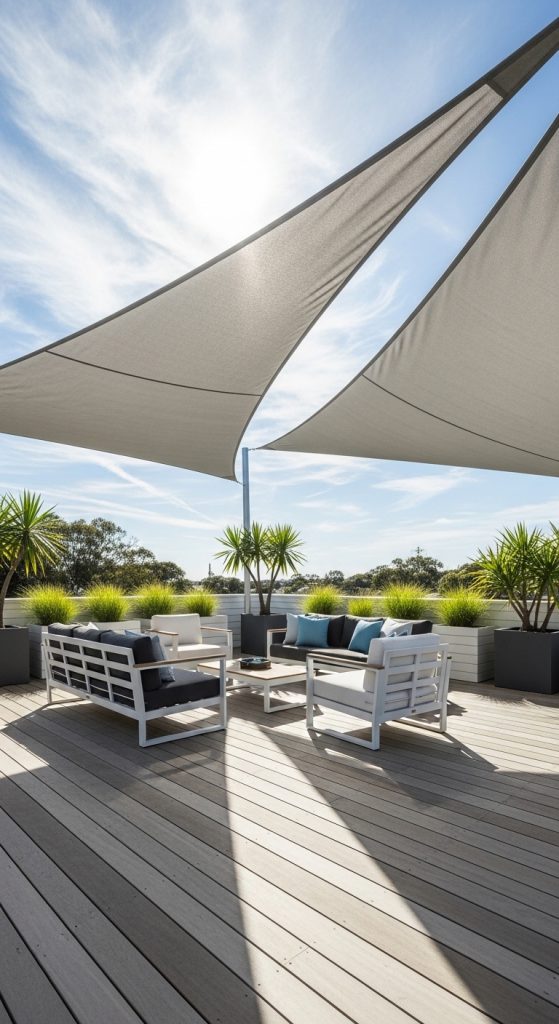
Shade sails are a creative and functional way to add both privacy and sun protection to your deck. They are made from durable fabric stretched between anchor points.
Begin by planning the layout and determining where the sails will be attached. Common anchor points include posts, walls, or trees.
Materials include shade sails, mounting hardware, and support poles if needed. Choose high-quality, UV-resistant fabric for durability.
Install the sails at an angle to allow rainwater to run off. Make sure they are tightly secured to prevent sagging.
While shade sails do not provide complete privacy, they can block overhead views and create a more enclosed feeling. They also reduce heat and glare.
Maintenance involves checking the tension and cleaning the fabric. During extreme weather, it is best to remove them to avoid damage.
10. Build a Wooden Slat Wall
A wooden slat wall is a modern and customizable privacy solution. It consists of evenly spaced wooden boards that provide partial or full coverage.
Start by designing the layout, including the spacing between slats. Narrow gaps offer more privacy, while wider gaps allow more light and airflow.
Materials include wooden boards, screws, a saw, and a drill. Choose weather-resistant wood like cedar for durability.
Construct a frame and attach the slats evenly. Ensure the structure is secure and level.
You can paint or stain the wood to match your deck or create contrast. This option allows for a high level of customization in both design and privacy level.
Maintenance includes sealing the wood and checking for damage over time. A wooden slat wall adds a clean, modern look while effectively enhancing privacy.