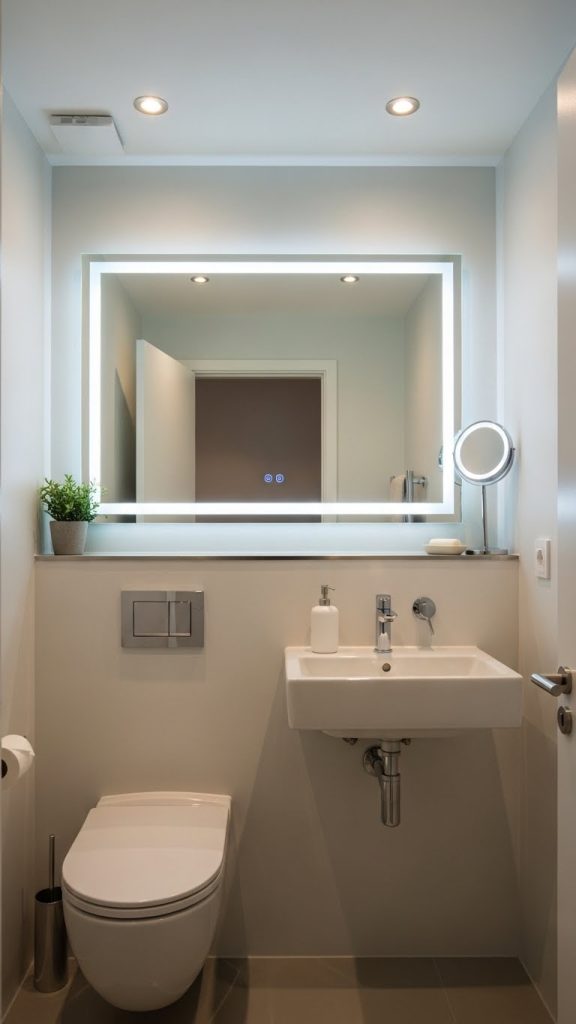
10 Bathroom Ideas Small Spaces
Designing a small bathroom can feel challenging, but it is also an opportunity to be creative and practical at the same time. Limited space does not mean you have to compromise on comfort, beauty, or functionality. With thoughtful planning, the right materials, and smart layout choices, even the smallest bathroom can feel open, organized, and stylish. The key is to focus on efficient use of space, light-enhancing elements, and storage solutions that do not overcrowd the room.
In small bathrooms, every inch matters. From choosing compact fixtures to using vertical walls for storage, small decisions can make a big difference. Preparation is especially important. Before starting, measure the space carefully, identify plumbing locations, and decide what features are essential. Selecting moisture-resistant materials, easy-to-clean surfaces, and durable fittings will help ensure the bathroom remains practical over time.
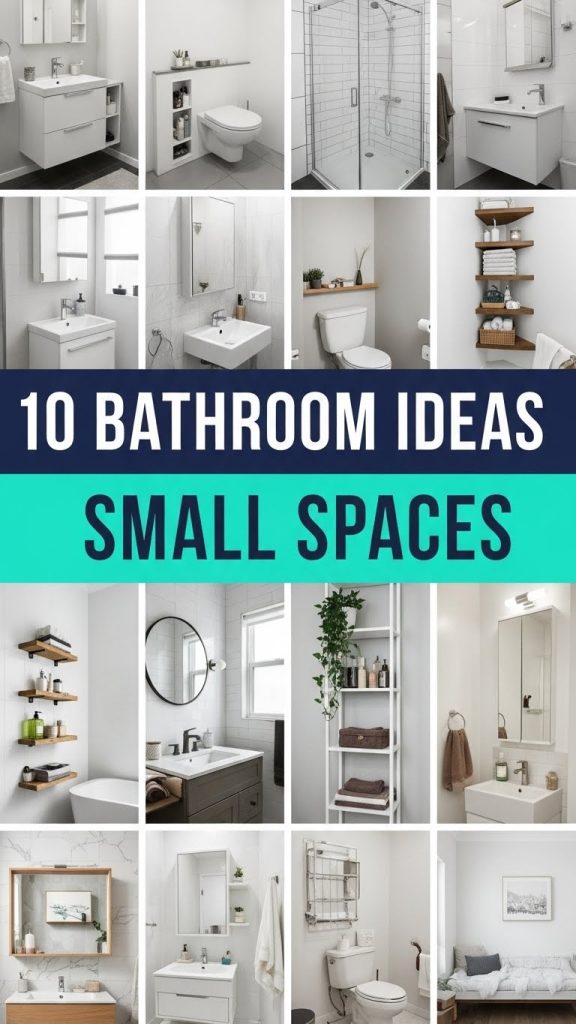
This detailed guide explores ten well-planned bathroom ideas specifically designed for small spaces. Each idea focuses on smart preparation, suitable materials, and practical usage tips. The language is simple and clear, making it easy for homeowners, renters, or renovators to understand and apply these concepts. Whether you are planning a full renovation or a small update, these ideas will help you create a bathroom that feels comfortable, efficient, and visually appealing, even within limited square footage.
1. Wall Mounted Fixtures for More Floor Space
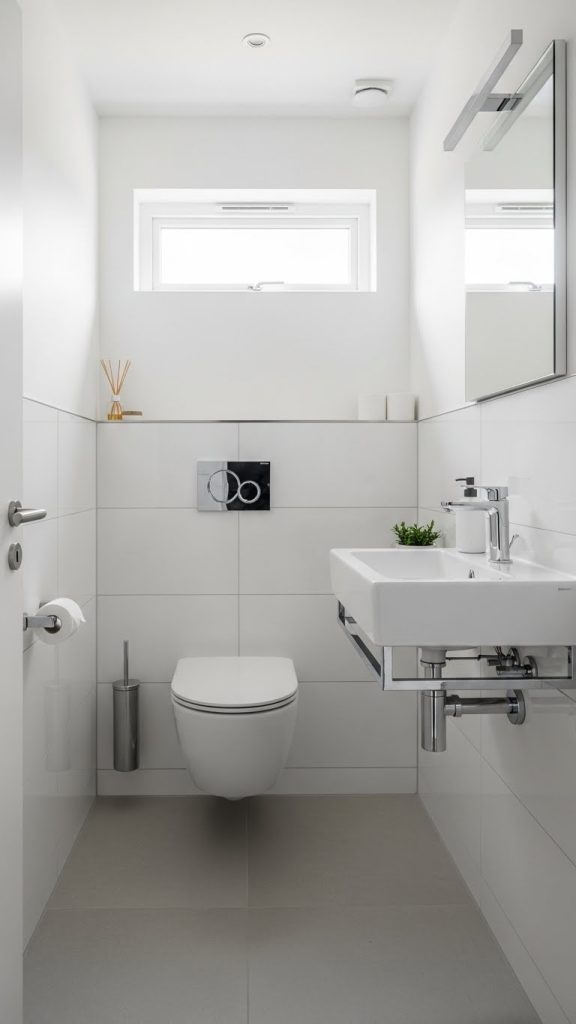
Wall mounted fixtures are one of the most effective solutions for small bathrooms. By lifting key elements like the toilet, sink, and vanity off the floor, the room instantly feels more open and less cluttered. Preparation begins with checking wall strength and plumbing access, as these fixtures require proper wall support and concealed pipes. It is best to consult a professional during planning to ensure safe installation.
For materials, choose ceramic or porcelain wall mounted toilets and sinks, as they are durable and easy to clean. A floating vanity made from moisture-resistant plywood or engineered wood with a laminate or veneer finish works well in humid conditions. The exposed floor beneath these fixtures makes cleaning easier and visually expands the space.
In daily use, wall mounted fixtures improve movement and comfort, especially in narrow bathrooms. They allow better airflow and reduce moisture buildup around corners. This design also supports modern and minimalist styles, making the bathroom feel updated and elegant. With proper planning and quality materials, wall mounted fixtures provide both visual and practical benefits for small bathrooms.
2. Light Colored Tiles to Enhance Openness
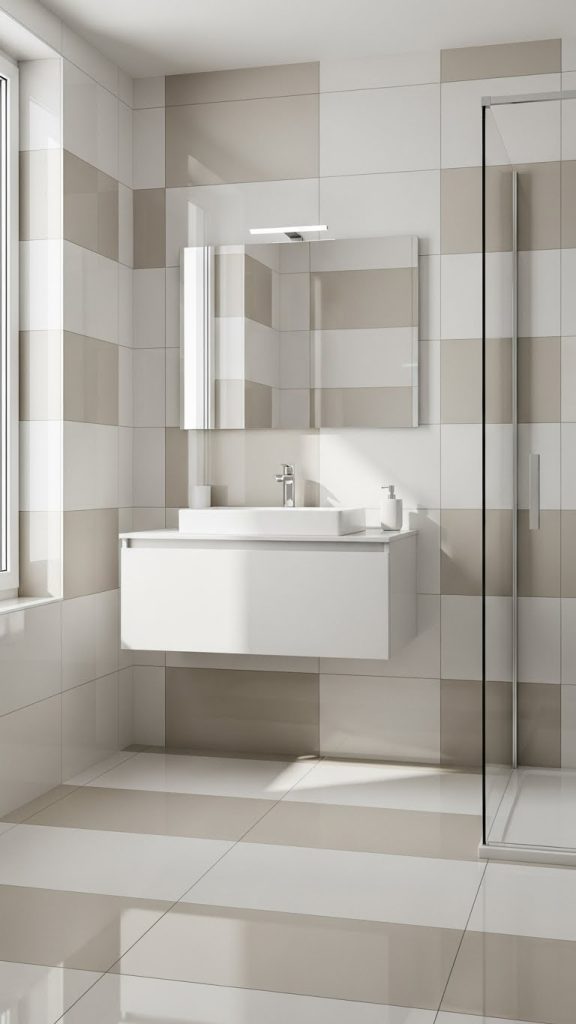
Using light colored tiles is a simple yet powerful way to make a small bathroom appear larger. Preparation involves selecting tile sizes and finishes that suit the room layout. Large format tiles with fewer grout lines are ideal, as they reduce visual breaks and create a seamless look. Planning tile placement in advance helps avoid awkward cuts in tight corners.
Materials like ceramic, porcelain, or natural stone in shades of white, cream, beige, or light gray are popular choices. Glossy or semi-gloss finishes reflect light, making the room brighter. For walls, subway tiles arranged horizontally can visually widen the space. For floors, slip-resistant light tiles ensure safety without sacrificing style.
In everyday use, light colored tiles are easy to maintain and show dirt quickly, encouraging cleanliness. They work well with both natural and artificial lighting, improving overall visibility. This approach creates a calm and airy atmosphere, which is especially important in small bathrooms where darkness can feel restrictive.
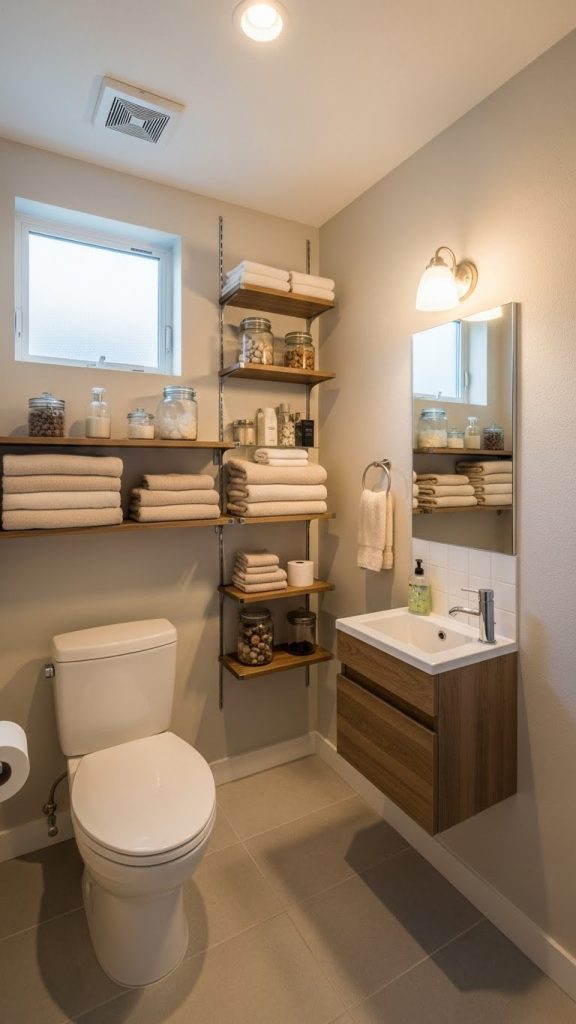
3. Smart Storage with Vertical Shelving
Vertical storage is essential in small bathrooms where floor space is limited. Preparation starts with identifying unused wall areas above the toilet, beside the mirror, or near the shower. Measuring wall height and depth ensures shelves do not interfere with movement or fixtures.
Materials for shelving should be moisture-resistant, such as treated wood, metal with rust-resistant coating, or glass. Open shelves work well for frequently used items, while closed cabinets can hide cleaning supplies or personal items. Using matching finishes helps maintain a cohesive look.
In use, vertical storage keeps essentials organized and within reach without overcrowding the room. Baskets or containers can be added to shelves to group items neatly. This idea maximizes storage capacity while maintaining a clean and spacious appearance, making it ideal for small bathrooms used by families or guests.
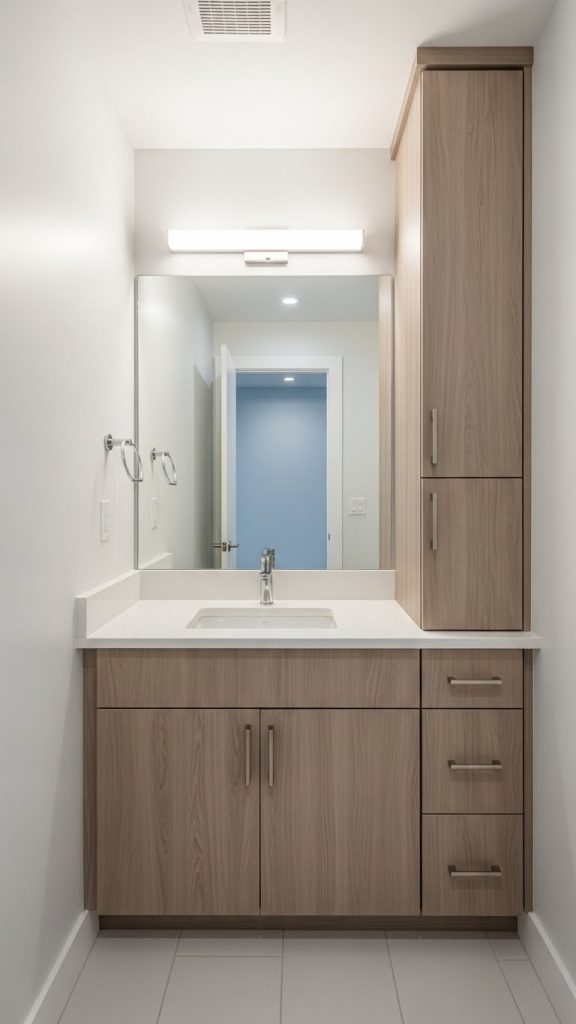
4. Compact Vanity with Integrated Storage
A compact vanity designed specifically for small bathrooms can make a significant difference. Preparation involves choosing the right width and depth to fit the available space without blocking doors or walkways. Wall mounted or narrow vanities are especially effective.
Materials should include water-resistant cabinetry, such as MDF with waterproof coating or solid wood treated for humidity. Countertops made from quartz, solid surface, or ceramic are durable and easy to clean. Integrated drawers and cabinets provide hidden storage for toiletries and cleaning items.
In daily use, a compact vanity keeps the sink area organized and functional. Built-in storage reduces the need for additional shelves or cabinets, helping maintain a tidy appearance. This solution balances practicality and style, making it a smart choice for small bathrooms where efficiency is essential.
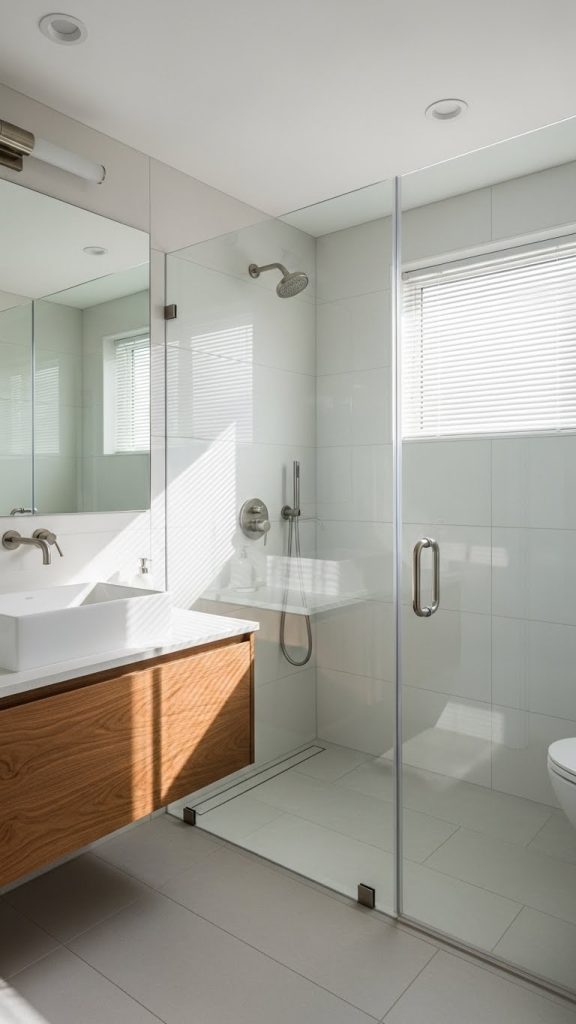
5. Glass Shower Enclosures Instead of Curtains
Replacing shower curtains with glass enclosures can visually open up a small bathroom. Preparation includes measuring the shower area accurately and deciding between framed or frameless glass. Frameless glass offers a cleaner and more spacious look but may require precise installation.
Tempered safety glass is the recommended material, as it is strong and moisture-resistant. Clear glass works best for small spaces, as it allows light to flow freely. Hardware should be stainless steel or chrome to resist rust and corrosion.
In use, glass enclosures prevent water splashes while maintaining an open feel. They are easy to clean with proper care and reduce mold buildup compared to fabric curtains. This idea enhances both functionality and aesthetics, making the bathroom feel larger and more modern.
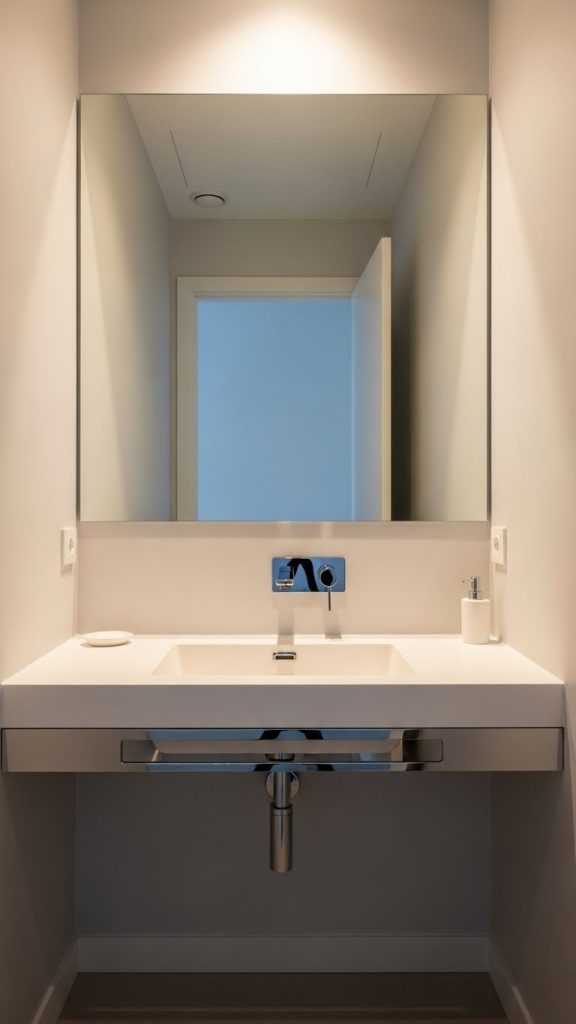
6. Mirrors to Create a Sense of Depth
Mirrors play a crucial role in small bathroom design. Preparation involves selecting the right size and placement to maximize reflection. A large mirror above the vanity or a full-height mirror on one wall can dramatically improve the sense of space.
Materials include moisture-resistant mirror glass with proper backing. Frameless mirrors or thin frames work best in small bathrooms, as they avoid visual clutter. Anti-fog coatings are also useful for daily comfort.
In everyday use, mirrors reflect light and make the room feel brighter and deeper. They also serve practical grooming needs. By strategically placing mirrors, you can visually double the space and enhance the overall design without major structural changes.
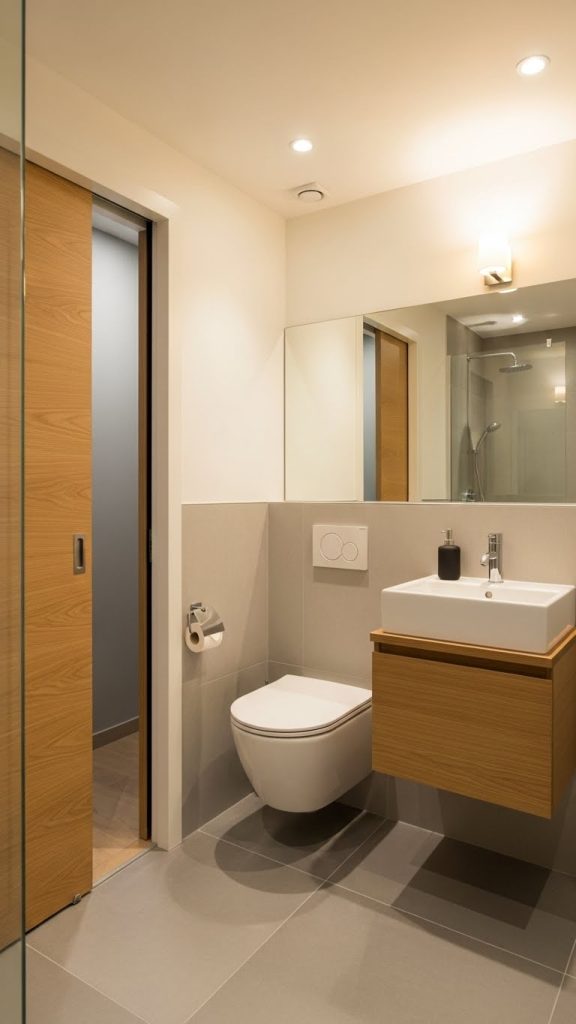
7. Sliding or Pocket Doors for Space Saving
Traditional swing doors can take up valuable space in small bathrooms. Preparation includes checking wall structure to see if a pocket door can be installed. Sliding barn-style doors are another option if wall space allows.
Materials for doors should be moisture-resistant, such as treated wood, laminate, or composite materials. Hardware must be rust-resistant to handle bathroom humidity. Frosted glass sliding doors can also allow light while maintaining privacy.
In use, sliding or pocket doors free up floor space and improve movement. They are especially helpful in bathrooms connected to narrow hallways or bedrooms. This solution improves functionality and gives the bathroom a modern, streamlined look.
8. Minimalist Design with Fewer Accessories
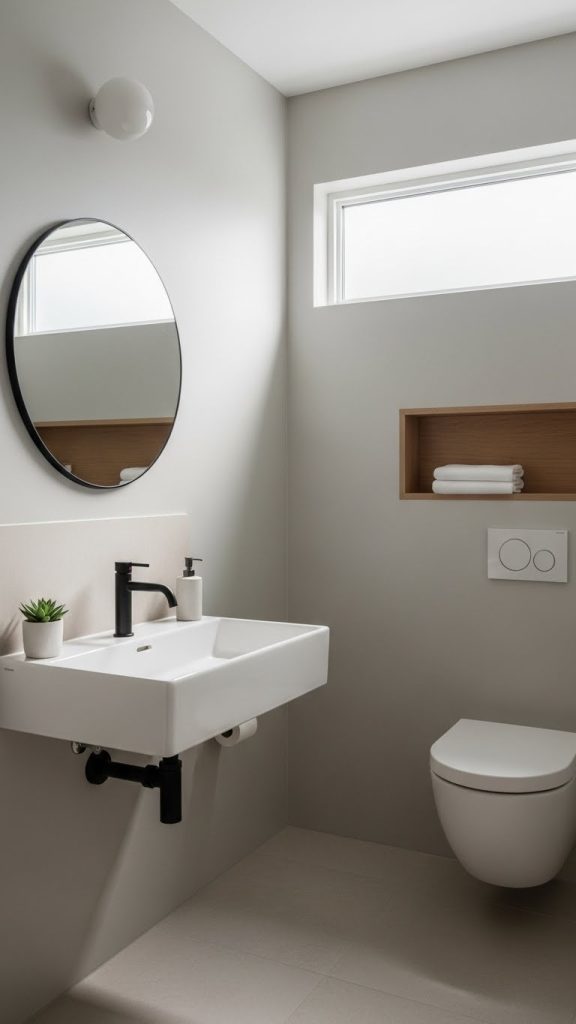
A minimalist approach works well in small bathrooms by reducing visual clutter. Preparation involves deciding which items are essential and eliminating unnecessary decorations. Planning storage solutions in advance helps maintain a clean look.
Materials should be simple and consistent, such as neutral tiles, sleek fixtures, and limited color palettes. Matte finishes can add softness, while simple metal accents provide contrast. Avoid overly decorative patterns that can overwhelm small spaces.
In daily use, a minimalist bathroom is easier to clean and maintain. Fewer accessories mean fewer surfaces to collect dust and moisture. This design creates a calm and organized environment, making the small bathroom feel more spacious and relaxing.
9. Built In Niches for Shower and Walls
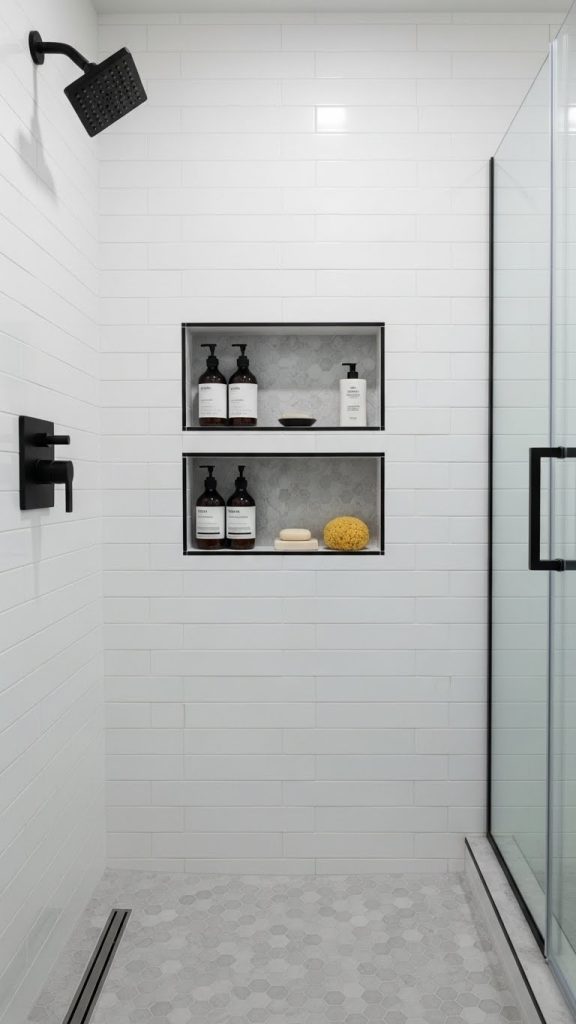
Built-in niches provide storage without taking up extra space. Preparation requires planning during the construction or renovation phase, as niches must be built into the wall structure. Proper waterproofing is essential to prevent leaks.
Materials for niches include waterproof backing boards and tiles that match or complement the surrounding walls. Using the same tile creates a seamless look, while contrasting tiles can add subtle interest.
In use, niches store toiletries neatly within reach, reducing the need for hanging racks or shelves. They keep surfaces clear and organized. This idea combines practicality with a clean design, making it ideal for small bathrooms where every inch matters.
10. Efficient Lighting for Brightness and Function
Good lighting is essential in small bathrooms to prevent them from feeling cramped. Preparation includes planning layered lighting, such as ceiling lights, vanity lights, and accent lighting. Electrical layouts should be finalized before installation.
Materials include LED fixtures, which are energy-efficient and long-lasting. Warm white or neutral white light works best for a comfortable atmosphere. Moisture-rated fixtures are necessary for safety and durability.
In daily use, proper lighting improves visibility and enhances the appearance of materials and colors. Bright, even lighting makes the bathroom feel larger and more welcoming. With careful planning and quality fixtures, lighting can transform a small bathroom into a functional and pleasant space.