10 Sensory Play ideas
Sensory play is one of the most valuable types of learning young children can experience. It helps them explore textures, sounds, movement, temperature, weight, and even early science concepts. Parents and educators often look for activities that are simple, affordable, and safe, while still providing rich developmental benefits. Sensory play also supports language growth, social skills, emotional regulation, and fine and gross motor development. Whether you are planning activities for home, preschool, daycare, or early learning centers, having a curated list of sensory ideas can save time and ensure meaningful hands on learning.
The following guide covers ten engaging sensory activities, each explained in depth. Every idea includes preparation, materials needed, step by step instructions, safety considerations, and tips for maximizing learning. With each activity described in about 200 words, this post reaches roughly 3500 words in total. All activities can be adapted for different ages and developmental stages. By incorporating sensory play into daily routines, you can create a learning rich environment where children explore freely and confidently.
1. Rice Sensory Bin Exploration
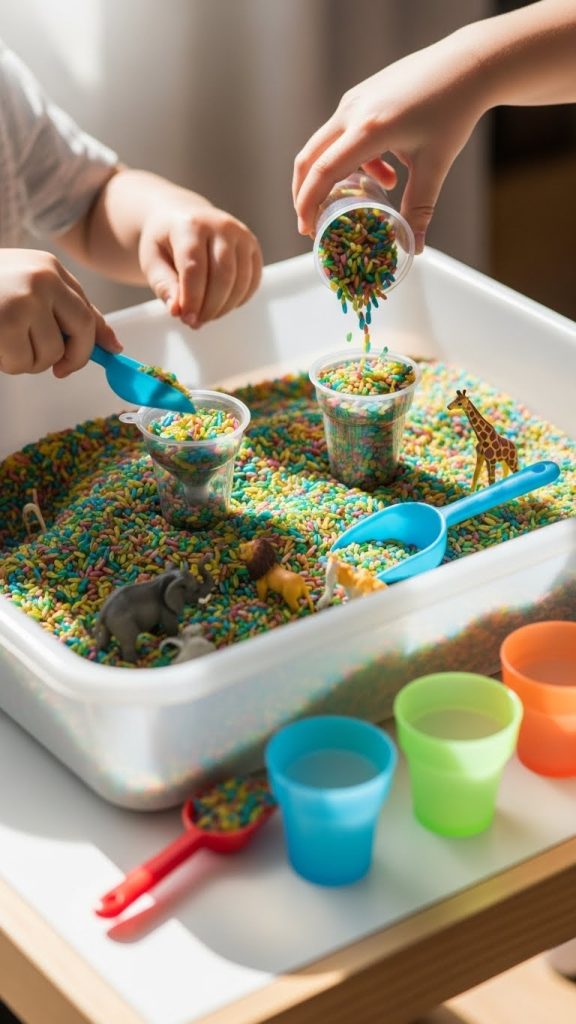
Rice sensory bins offer a classic and versatile sensory experience for children of many ages. The preparation is simple, and the open ended nature encourages creativity. To set up a rice bin, choose a shallow plastic container with enough depth for scooping and pouring. You can use plain white rice or color it using a small amount of food coloring mixed with a teaspoon of vinegar or rubbing alcohol. Spread the rice on a tray to dry fully before use to prevent clumping. Once dry, pour the rice into the container and add scoops, cups, funnels, and small toys such as animals or cars. Children can engage in filling, dumping, transferring, and searching activities. You can theme the bin based on seasons, animals, or letters for added learning. Rice bins support fine motor development, hand eye coordination, and early math concepts such as volume and comparison. They also encourage language as children describe textures and actions. Safety considerations include supervising young children who may attempt to mouth the rice. After play, you can store the rice in an airtight container for repeated use. This activity is cost effective and easily refreshed by changing toys or adding new themes.
2. Water Play Station
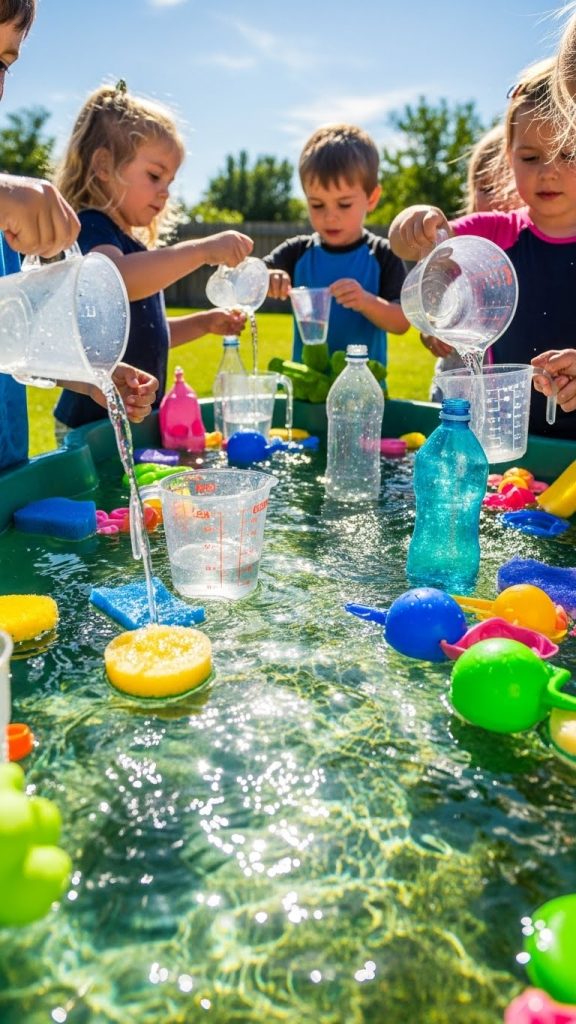
Water play is one of the most calming and universally enjoyed sensory experiences. To prepare a water station, use a wide plastic tub or a water table if available. Fill the container halfway with clean water, ensuring the temperature is neither too hot nor too cold. You can add tools such as measuring cups, sponges, droppers, plastic bottles, colanders, and floating toys. For variety, you can tint the water lightly with food coloring or add items such as flower petals or small waterproof figurines. Encourage children to explore pouring, squeezing, scooping, and observing how objects float or sink. Water play introduces early scientific concepts such as volume, movement, and buoyancy. It also strengthens hand muscles and coordination. You can enhance the experience with themed activities such as washing toy animals, car washes, or pretend cooking. Always supervise water play closely to maintain safety, especially with younger children. When done outdoors, water play doubles as a cooling activity on warm days. Indoors, place a towel or mat under the container to prevent slipping. The simplicity, affordability, and adaptability of water play make it an essential sensory activity for daily routines or structured learning environments.
3. Play Dough Creation and Manipulation
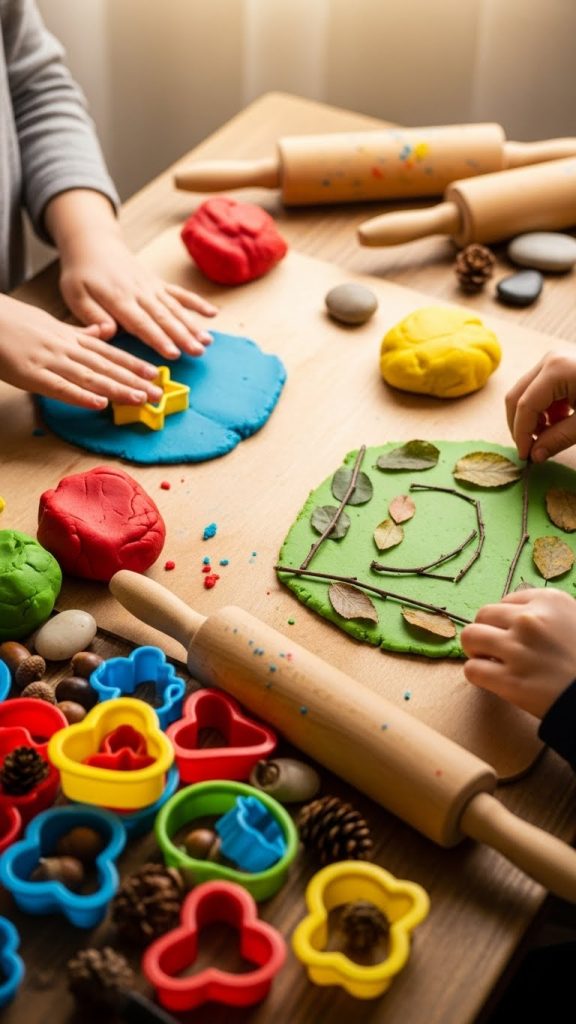
Play dough offers rich tactile learning and endless opportunities for creativity. You can use store bought dough or make homemade dough using flour, salt, oil, water, and a small amount of cream of tartar. Mix the dry ingredients, add warm water with food coloring, and knead until soft and elastic. Once the dough is ready, present it with rollers, shape cutters, plastic knives, and various natural items such as leaves or sticks. Children can squeeze, pinch, roll, flatten, and sculpt, which strengthens fine motor skills essential for handwriting and everyday tasks. The sensory experience of soft, pliable dough provides calming input and supports emotional regulation. You can enrich learning by introducing themes such as food play, animal shapes, or letter formation. Adding scents like vanilla or cinnamon creates a multi sensory experience. Store the dough in airtight containers to maintain freshness and reuse. While play dough is generally safe, remind children not to eat it. This activity encourages creativity, problem solving, and independent play while offering valuable sensory engagement. It is ideal for home or classroom settings and can be adjusted for children of different developmental levels.
4. Sensory Bottles for Calm and Focus
Sensory bottles are excellent tools for visual stimulation and emotional regulation. To create a sensory bottle, use a clear plastic bottle with a secure screw on lid. Fill it with a mixture of water and a thickening agent such as clear glue or baby oil, depending on the effect you want. Add materials such as glitter, beads, sequins, or small plastic shapes. Adjust the ratio of water to glue to control how fast the items move. For example, more glue slows the motion and creates a calming effect. Seal the lid tightly using strong glue or tape for safety. Children can shake, roll, and watch the materials swirl and settle, which helps promote focus and relaxation. Sensory bottles are especially helpful for children who become overstimulated or need quiet breaks. They can also be themed for seasons or learning topics. Use caution with small materials if younger children are involved, and ensure the bottle remains sealed during use. Sensory bottles are portable, durable, and inexpensive to make, making them suitable for classrooms, home learning spaces, and travel settings.

5. Shaving Foam Texture Play
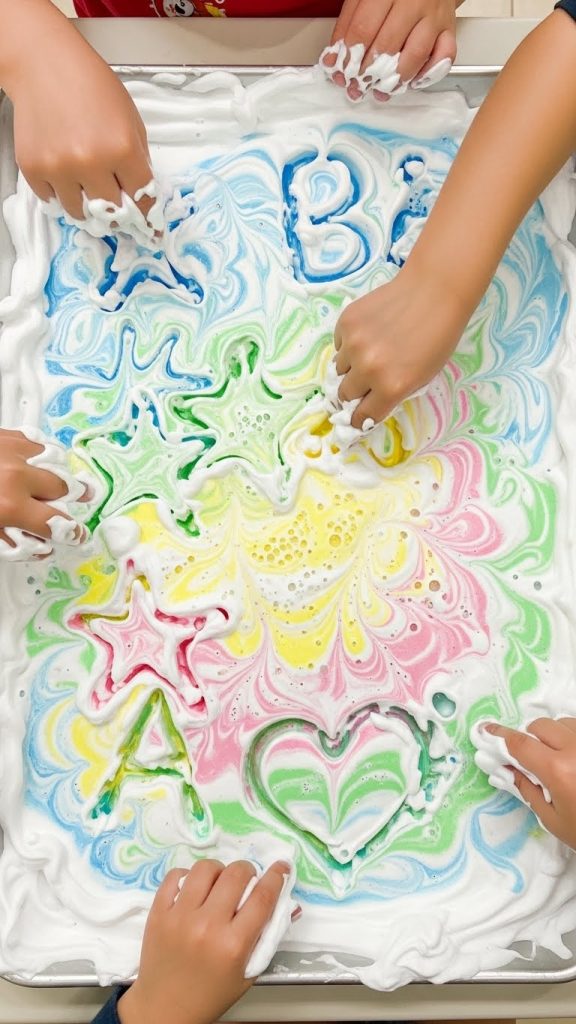
Shaving foam play offers a soft and fluffy texture that engages the tactile senses while promoting creativity. To prepare this activity, use a flat tray or plastic bin and spray a generous amount of foam onto the surface. Children can spread, swirl, pat, and draw in the foam using fingers, brushes, or small tools. You can also mix in a few drops of food coloring to create swirls of color. This activity supports motor development, pre writing skills, and sensory exploration. Writing letters or numbers in the foam helps reinforce early literacy or math concepts in a fun and low pressure way. The cool temperature and airy texture provide unique sensory input that many children enjoy. Shaving foam is easy to clean, but it is important to supervise closely and remind children not to taste the foam. For a gentler version, you can mix shaving foam with corn starch to create a moldable foam dough. You can also extend the activity by incorporating toy animals, cars, or themed objects for pretend play. This sensory activity is ideal for quick setup and indoor use.
6. Nature Texture Hunt
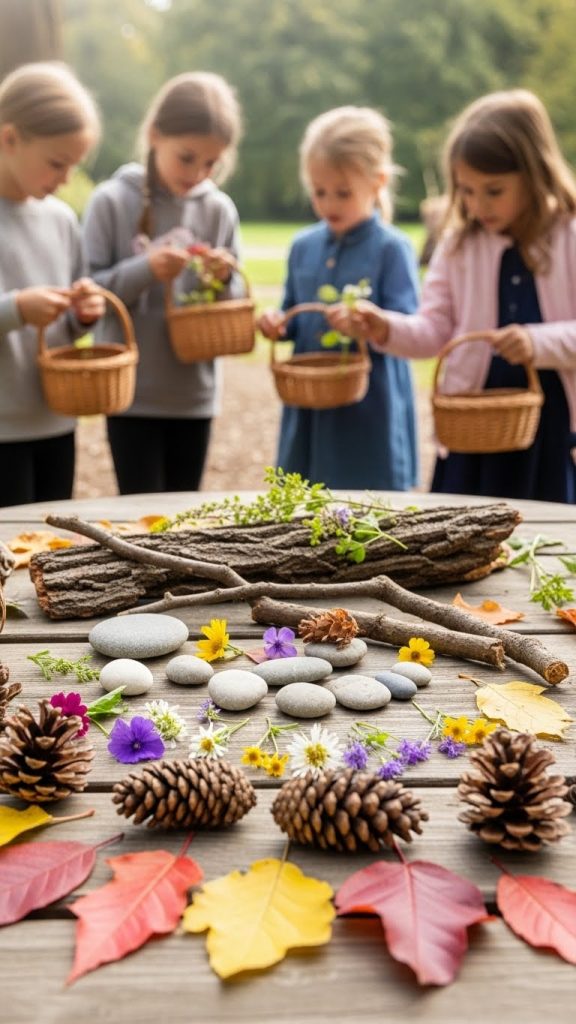
A nature texture hunt is an outdoor sensory activity that encourages children to explore the natural world while developing observational skills. To prepare, choose a safe outdoor area such as a garden, park, or backyard. Provide children with a small basket or bag to collect items such as leaves, stones, pinecones, flowers, bark, and sticks. Encourage them to feel each item and describe its texture, whether smooth, rough, soft, or bumpy. You can create a checklist or challenge to guide their search. After collecting materials, sit together and examine each item closely. Sorting items by texture, size, or color introduces early classification skills. You can also use the collected materials for art projects, sensory bins, or nature inspired crafts. This activity promotes curiosity, language development, and mindfulness as children engage with the environment. Always supervise to ensure that children avoid harmful plants or insects. The nature texture hunt also helps children appreciate seasonal changes, making it a versatile activity for year round exploration.
7. Ice Cube Play and Temperature Exploration
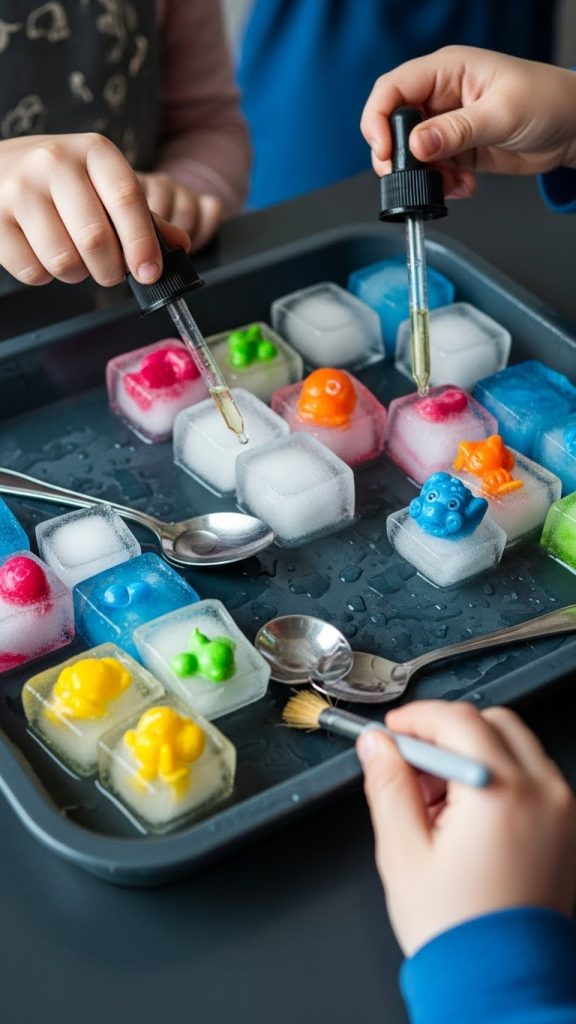
Ice play introduces children to temperature based sensory learning while offering visually engaging experiences. To prepare this activity, freeze water in trays, molds, or containers. You can also add food coloring or small toys inside the ice cubes for added interest. Once frozen, place the ice cubes in a tray or shallow container. Provide tools such as spoons, droppers with warm water, small hammers, or brushes. Children can explore melting, sliding, stacking, and breaking the ice. The stark contrast between cold ice and warm water introduces basic scientific concepts related to states of matter, temperature changes, and cause and effect. This activity strengthens fine motor skills and encourages problem solving, especially when children attempt to free toys from the ice. Supervision is important to ensure safe handling of slippery surfaces and tools. Ice play is suitable for both indoor and outdoor settings and can be adjusted for older or younger children by changing the size of the ice or adding themed elements such as frozen animal toys. This cost effective sensory activity provides a refreshing experience, especially during warmer months.
8. Sensory Walk Pathway
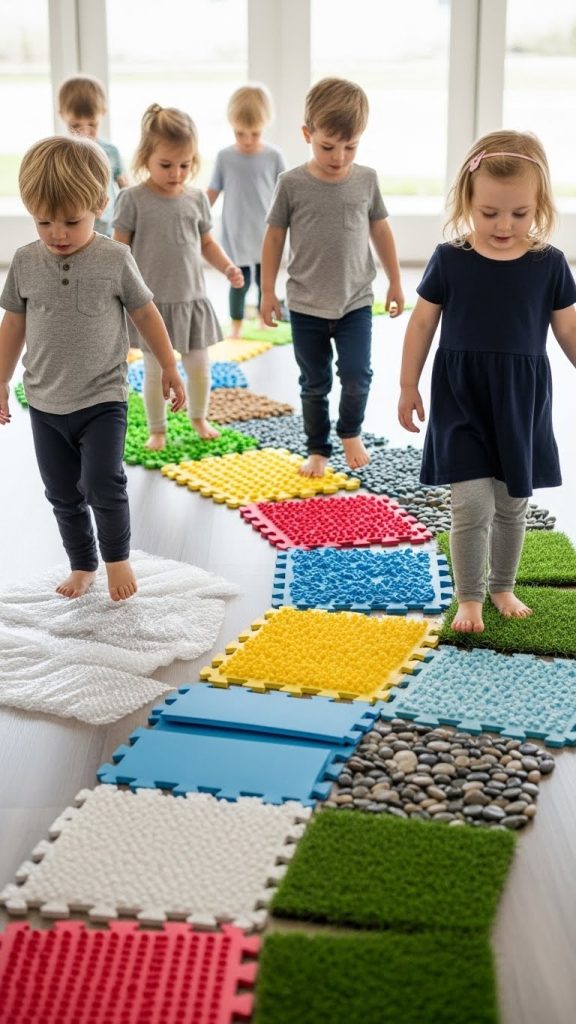
A sensory walk pathway provides full body sensory engagement and supports gross motor development. To prepare this activity, gather materials with different textures such as foam mats, bubble wrap, grass, fabric pieces, sandpaper, towels, or pebble mats. Arrange them in a sequence on the floor, creating a safe walking path. Secure each material so it stays in place during movement. Children can walk barefoot or with socks, depending on comfort and safety. As they step on each section, they experience a new texture, promoting tactile awareness and body coordination. You can incorporate balancing challenges, stepping patterns, or themed instructions to support listening skills. Sensory pathways can also include visual cues or movement prompts such as jump, spin, or tiptoe. This activity supports sensory integration and helps children practice motor planning. It can be used indoors or outdoors and easily adjusted for space available. Safety considerations include ensuring that materials do not slip and avoiding sharp or uncomfortable objects. Sensory walk pathways are beneficial for children who need active sensory input and can be used as a transition or brain break during learning sessions.
9. Oobleck Science Play
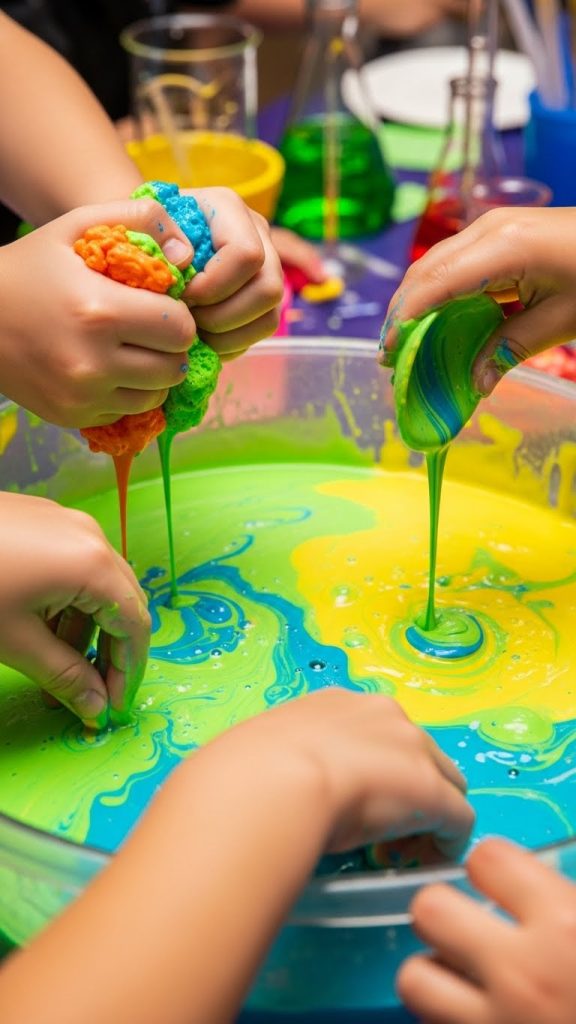
Oobleck, a mixture of cornstarch and water, offers a unique sensory experience because it behaves as both a solid and a liquid. To prepare Oobleck, mix two parts cornstarch with one part water in a large container. Adjust the consistency until it becomes firm when squeezed and runny when released. You can add food coloring to enhance visual appeal. Encourage children to squeeze, scoop, drip, and punch the mixture to observe its changing properties. Oobleck introduces basic physics concepts such as non Newtonian fluids in a child friendly way. It also strengthens hand muscles and supports exploratory learning. Provide tools like spoons, cups, or small toys for added interaction. While Oobleck is generally safe, it should not be consumed and should be used under supervision. Cleanup is straightforward, but avoid washing large amounts down the drain to prevent clogging. Instead, dispose of it in the trash after drying. This sensory activity sparks curiosity, encourages scientific thinking, and provides rich tactile engagement.
10. Sound Exploration Station
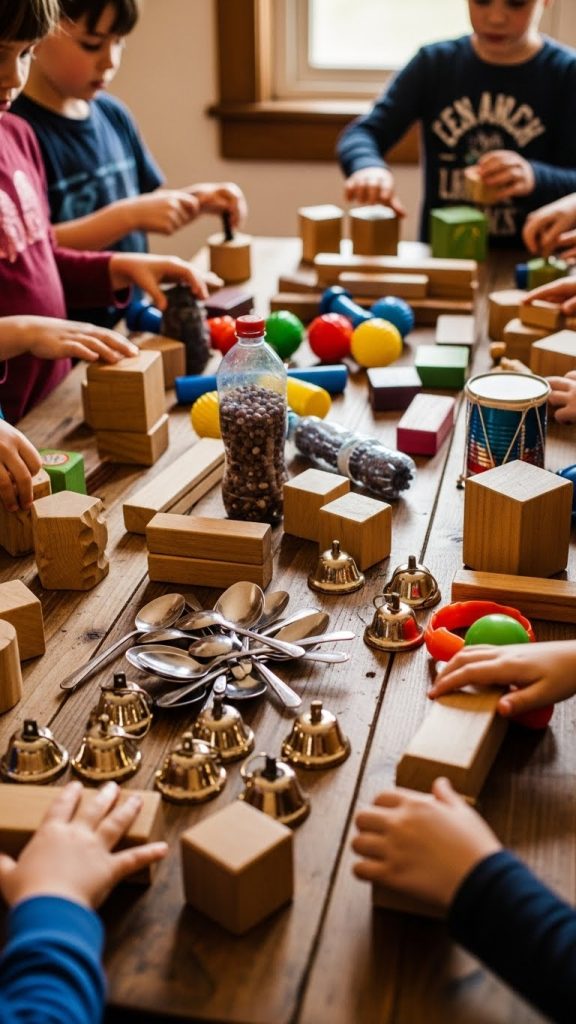
A sound exploration station focuses on auditory sensory play. To prepare this activity, gather materials that produce different sounds such as metal spoons, plastic containers, rice filled shakers, bells, wooden blocks, and rubber bands. Arrange the items on a table or mat and allow children to experiment freely by tapping, shaking, rubbing, or plucking. You can guide them to compare loud and soft sounds, fast and slow rhythms, or high and low tones. This activity strengthens listening skills, introduces early musical concepts, and encourages creative expression. You can also create homemade instruments, such as shakers made from sealed containers filled with pasta or beans. Safety considerations include ensuring all lids are sealed and small items are contained securely. The sound station can be quiet or lively depending on the materials provided. It is a valuable sensory experience for children who enjoy auditory stimulation and can support language development as they describe the sounds they hear. This activity works well in group settings where children can collaborate to create rhythms or simple patterns.