10 Kids Playroom ideas
Designing a kids playroom is a great way to give children a space where they can learn, explore, and enjoy creative play. A well planned playroom helps children develop imagination, problem solving skills, and independence. It also helps parents keep toys and activities organized in one area instead of spreading them across the entire house. When designing a playroom, it is important to think about safety, comfort, creativity, and organization.
A successful playroom should include areas for different types of activities such as reading, building, art, and pretend play. It should also use child friendly materials, safe furniture, and proper storage solutions so children can easily access their toys and clean up afterwards. Bright colors, soft flooring, and interactive elements can make the space more engaging and fun.
Parents often worry about how to design a playroom that is both functional and enjoyable. The good news is that you do not need a large budget or a huge space to create an amazing playroom. With thoughtful planning, the right materials, and creative ideas, even a small room can become a wonderful play area for children.
The following ten playroom ideas focus on creativity, organization, learning, and safety. Each idea includes preparation steps, materials, and practical tips to help parents design a playroom that children will love while keeping the space neat and useful.
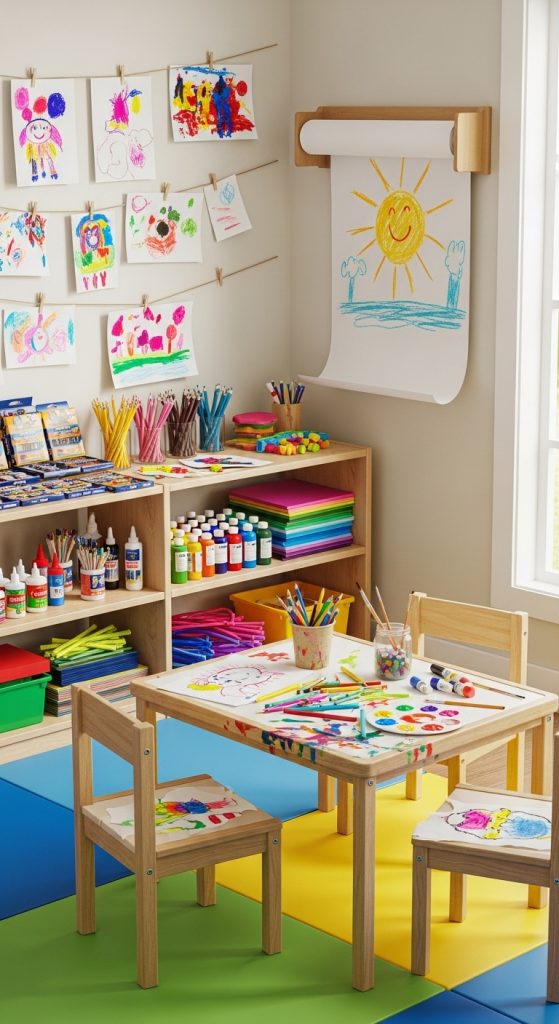
1. Creative Art Corner for Kids
An art corner is one of the most valuable additions to a playroom because it encourages creativity and self expression. Children enjoy drawing, painting, and crafting, and having a dedicated space makes these activities easier and less messy for the rest of the home.
Preparation begins by selecting a small wall or corner in the playroom. Place a child sized table and chairs where kids can sit comfortably. Install a small shelf or storage unit nearby to hold art supplies.
Materials needed include washable paints, crayons, colored pencils, sketchbooks, craft paper, child safe scissors, glue sticks, and storage containers. Using labeled boxes or baskets helps children easily find and return their materials.
You can also add a cork board or magnetic board on the wall to display children’s artwork. This makes them feel proud of their creations and encourages them to keep making more art. Another great addition is a roll of craft paper mounted on the wall so children can easily pull down paper to draw on.
Safety is important in an art area. Choose non toxic art supplies and washable paints. A plastic table cover or art mat can protect surfaces from spills. With proper setup, an art corner becomes a creative hub where children can explore their imagination freely.
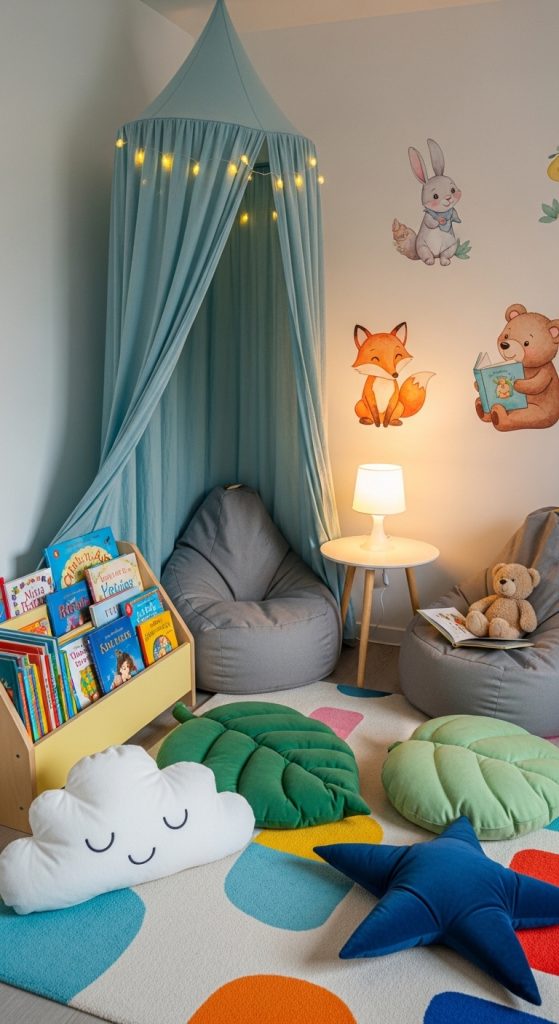
2. Reading Nook for Quiet Time
A reading nook creates a calm and relaxing area where children can develop a love for books. Reading spaces are important because they give kids a quiet break from active play and help improve language and learning skills.
To prepare a reading nook, choose a quiet corner of the playroom away from noisy toys. Add a small bookshelf at a child friendly height so kids can easily pick their favorite books. Place a soft rug or foam mat on the floor and add comfortable cushions or a small bean bag chair.
Materials for a reading nook include children’s books, storybooks, picture books, soft lighting, cushions, and small storage baskets for organizing books. A small lamp or warm lighting can make the space feel cozy and inviting.
Decorating the area with wall decals, alphabet posters, or storytelling themes can make reading more exciting. Some parents also add a small canopy or tent to create a cozy book hideaway.
Rotating books every few weeks keeps the area interesting. Place books with colorful covers facing forward so children are attracted to them. This simple idea helps encourage daily reading habits and supports early learning development.
3. Indoor Climbing and Activity Area
Children have a lot of energy, and an indoor climbing or activity area can help them stay active even when they cannot play outside. This type of play space supports physical development, balance, and coordination.
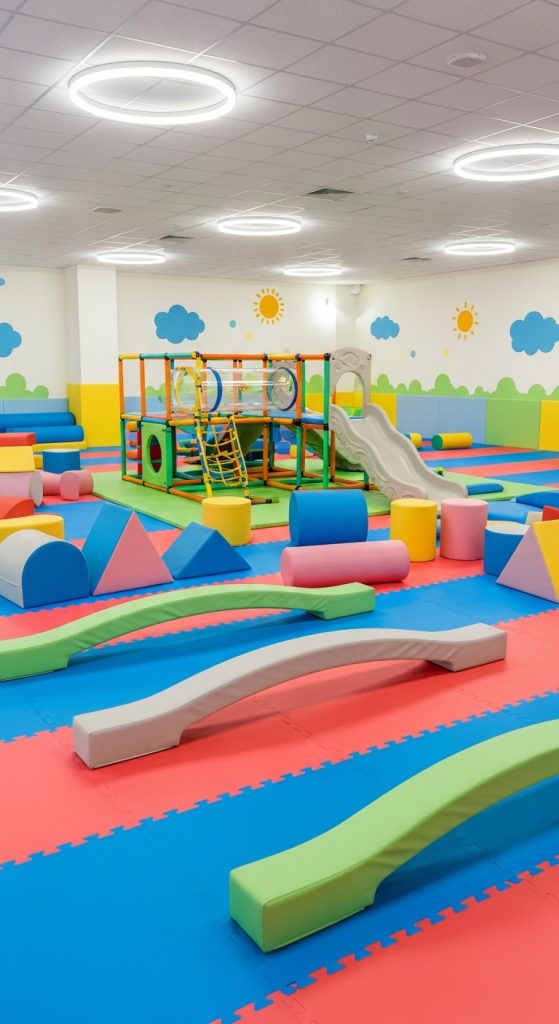
Preparation starts with choosing a section of the playroom with enough space for safe movement. Install soft foam floor mats or rubber mats to reduce the risk of injury. These mats are essential for safety.
Materials may include a small indoor climbing frame, a toddler slide, balance beams, or a mini climbing wall designed for children. Foam blocks and soft play shapes can also be used for building and climbing.
If space allows, you can add a small indoor swing or hanging rings attached securely to the ceiling. However, these must be installed carefully and checked regularly for safety.
Keep the area clear of sharp edges and hard furniture. Supervision is important, especially for younger children. Regularly check equipment for loose parts or wear.
An indoor activity zone helps children burn energy, stay active, and improve motor skills. It is especially helpful during rainy days or when outdoor play is not possible.
4. Toy Organization and Storage System
One of the biggest challenges in a playroom is managing toys. Without proper storage, toys quickly create clutter and make the room difficult to use. A good toy organization system keeps the playroom tidy and teaches children responsibility.
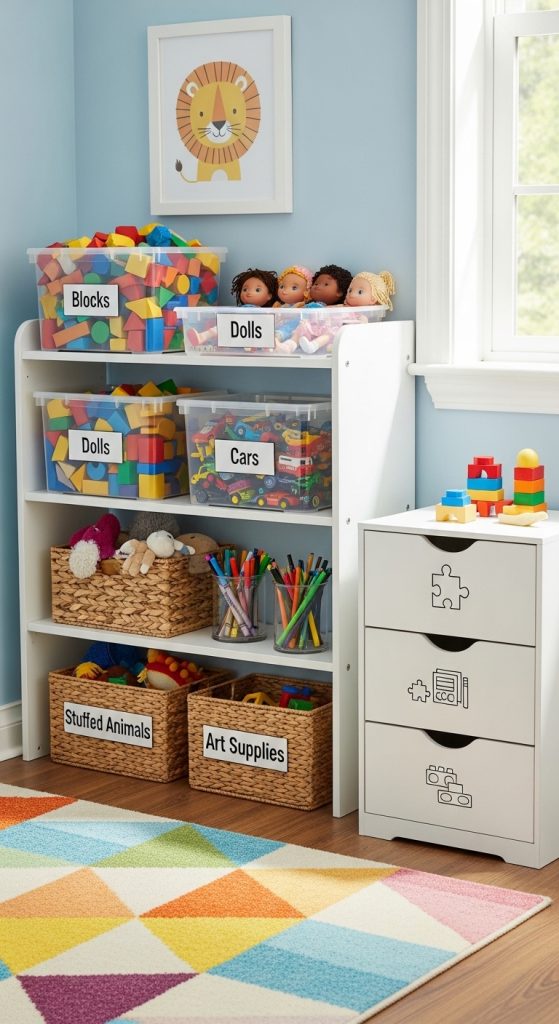
Start by sorting toys into categories such as building toys, dolls, cars, puzzles, and crafts. Choose storage furniture that is low enough for children to reach easily.
Materials for organization include storage bins, labeled baskets, open shelving units, toy chests, and clear plastic containers. Clear boxes help children see what is inside without opening every container.
Using labels with words or pictures helps younger children identify where toys belong. This encourages them to clean up after playing.
Rotating toys every few weeks can also reduce clutter. Store some toys away and bring them back later to keep playtime exciting.
Good toy organization not only keeps the playroom neat but also makes it easier for children to find what they want to play with. This system helps maintain order and supports independent play.
5. Building and Construction Zone
Many children love building and creating structures. A building and construction zone gives them the space and materials to explore engineering concepts through play.
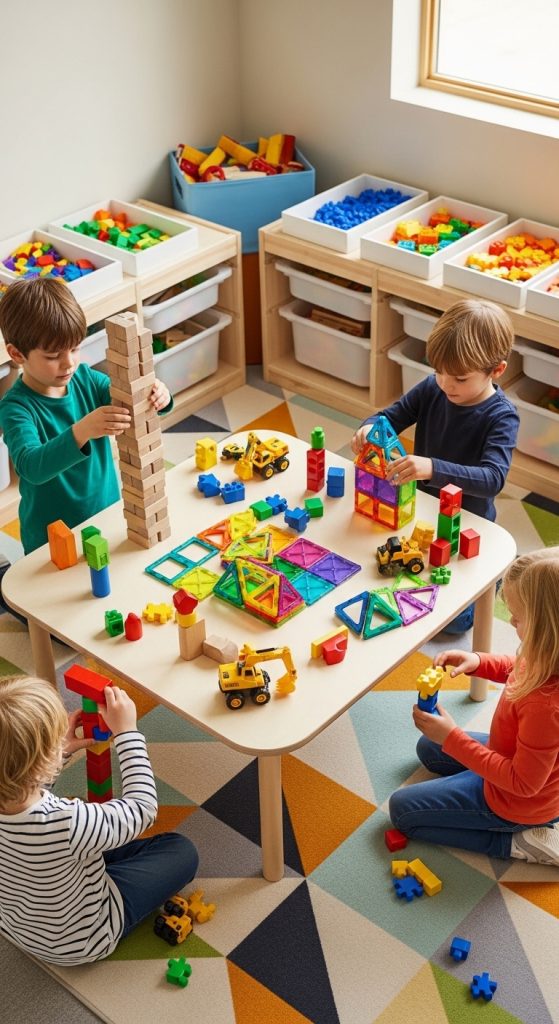
Preparation includes selecting a sturdy table or a floor area with a building mat. Storage shelves should be nearby to keep building materials organized.
Materials may include building blocks, construction toys, magnetic tiles, wooden blocks, and interlocking brick toys. A large base plate or play mat can help keep creations stable.
You can also add storage trays to separate pieces by size or type. This helps children find the parts they need more easily.
Encourage children to build towers, houses, bridges, or imaginative structures. Some parents place pictures of buildings or vehicles on the wall for inspiration.
This type of play supports creativity, spatial thinking, and problem solving. Children learn patience as they experiment with different designs. A dedicated building area keeps these materials organized and prevents small pieces from spreading around the room.
6. Pretend Play and Dress Up Station
Pretend play is important for developing imagination and social skills. A dress up station allows children to act out different roles such as doctors, chefs, teachers, or superheroes.
To prepare this area, install a small clothing rack or hooks on the wall for costumes. Add a mirror at child height so kids can see their outfits.
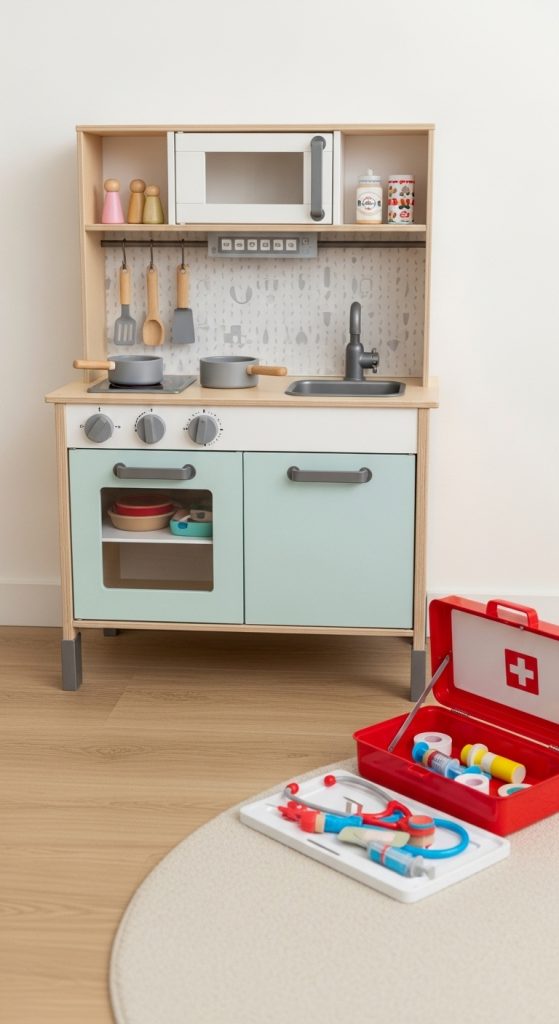
Materials for this station may include costumes, hats, scarves, toy kitchen sets, toy doctor kits, and puppet theaters. Storage baskets can hold smaller accessories.
Adding a small play kitchen or pretend grocery store setup can make the space even more interactive. Some families create themed play corners such as a mini restaurant or workshop.
Children often enjoy acting out real life situations they see at home or in school. This type of play helps them understand emotions, communication, and teamwork.
A pretend play station gives kids the freedom to explore stories and characters while building confidence and creativity.
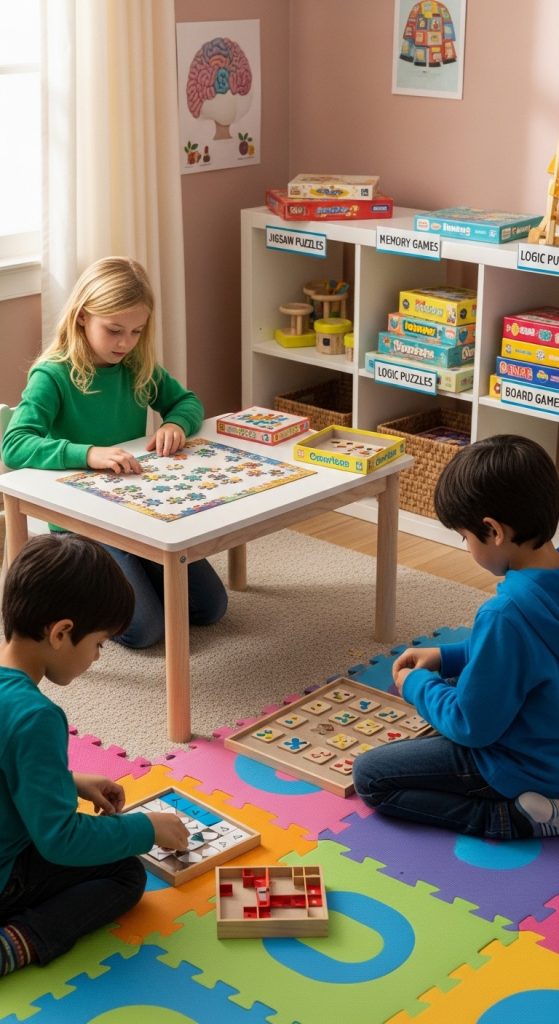
7. Puzzle and Brain Game Table
A puzzle and brain game table provides children with activities that challenge their thinking and problem solving abilities. These games improve concentration and patience.
Start by placing a small table in a quiet part of the playroom. Choose a flat surface where puzzles can stay in place without being disturbed.
Materials include jigsaw puzzles, memory games, logic games, board games for kids, and matching cards. Puzzle organizers or trays help keep pieces sorted.
Store puzzles in labeled boxes or zip bags so pieces do not get lost. Choose puzzles that match the child’s age and skill level.
Parents can occasionally join children for puzzle time, turning it into a family activity. Working together on puzzles helps children learn teamwork and cooperation.
A brain game area supports learning while still feeling like play. It encourages children to think carefully and enjoy solving challenges.
8. Music and Movement Corner
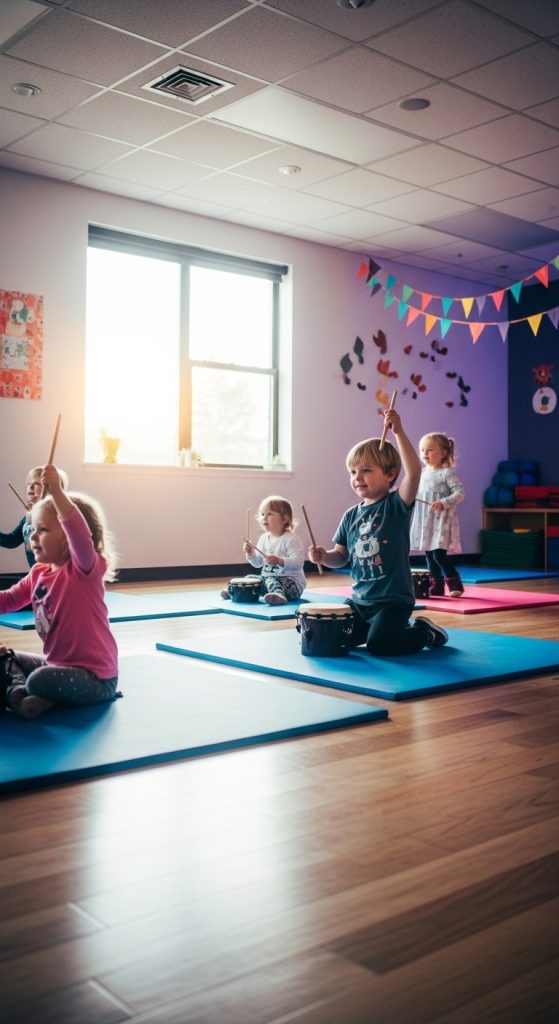
A music corner adds fun and creativity to a playroom by encouraging rhythm and movement. Music helps children develop listening skills, coordination, and emotional expression.
Preparation involves selecting a space where children can move freely without bumping into furniture. Add soft floor mats for comfort.
Materials may include small musical instruments such as tambourines, toy drums, xylophones, maracas, and keyboards designed for kids. A small speaker can also play children’s songs or learning music.
Storage baskets or instrument racks help keep everything organized. Wall decorations like musical notes or rhythm charts can add visual interest.
Encourage children to sing, dance, and create their own music. Group play with siblings or friends can make the activity even more enjoyable.
A music corner provides an energetic break from quiet activities. It helps children express themselves and explore different sounds and rhythms in a fun way.
9. Sensory Play Station
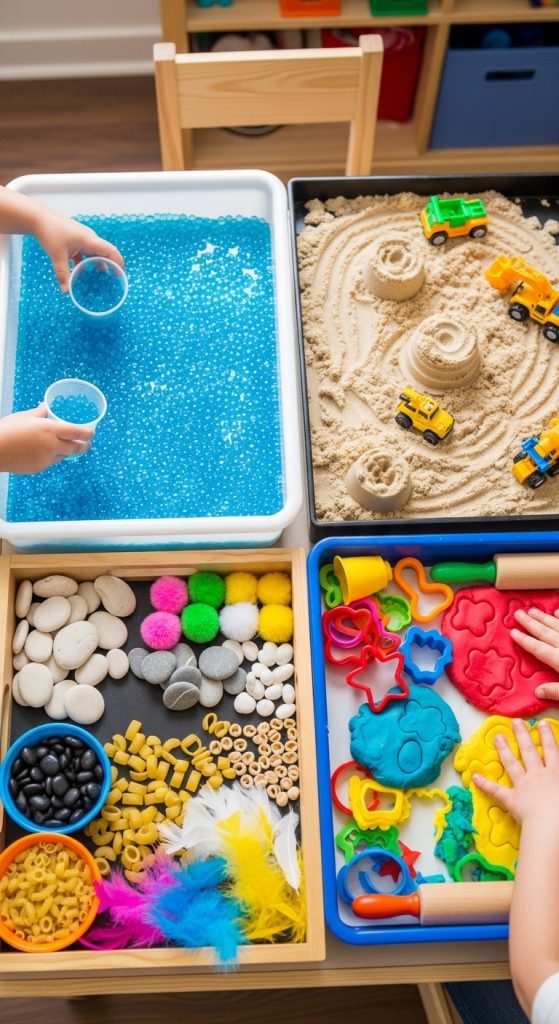
Sensory play allows children to explore different textures, materials, and sensations. It supports early development and improves fine motor skills.
Preparation includes setting up a sturdy table with trays or bins to contain materials. Cover the floor area with a washable mat for easy cleaning.
Materials may include kinetic sand, water beads, play dough, rice bins, slime, and textured objects. Scoops, cups, and small containers can be added for pouring and sorting activities.
Always choose child safe materials and supervise younger children closely. Store sensory items in sealed containers to keep them clean.
Sensory play is especially beneficial for younger children who learn by touching and exploring objects. It also helps improve focus and creativity.
Cleaning supplies should be kept nearby so the station can be quickly tidied after playtime.
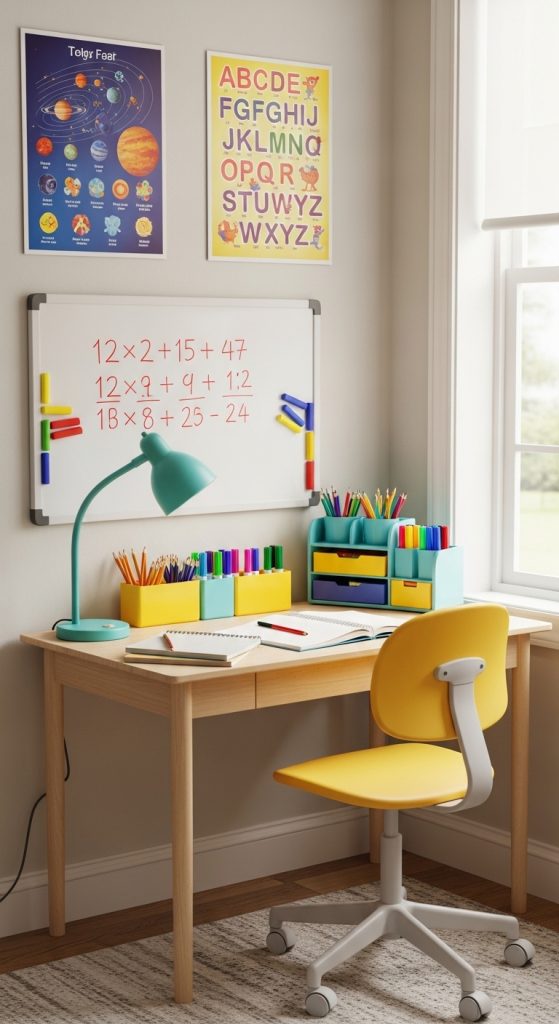
10. Homework and Learning Desk
As children grow older, a playroom can also support learning and schoolwork. A homework desk provides a quiet place for reading, writing, and educational activities.
Preparation begins with placing a small desk and comfortable chair in a well lit part of the room. Natural light is ideal, but a good desk lamp can also work.
Materials for this space include notebooks, pencils, colored markers, educational worksheets, learning charts, and a small organizer for school supplies.
Adding a whiteboard or chalkboard nearby can make learning more interactive. Children can practice spelling words, draw diagrams, or solve math problems.
Keep the area simple and free from distracting toys. This helps children focus on their tasks.
A homework desk supports good study habits while still being part of a playful environment. Over time, it can become an important place for learning and personal growth.