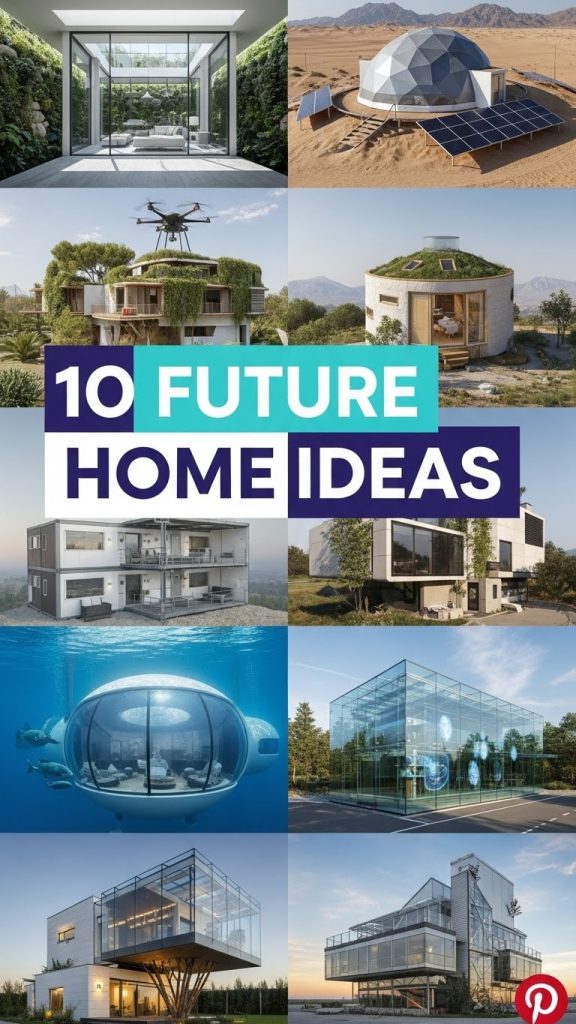
10 Future Home ideas
The concept of a future home is rapidly evolving as technology, sustainability, and modern lifestyle needs shape the way people design and build their residences. A future home is not just about adding smart gadgets or sleek designs. It is about creating spaces that adapt, respond, and contribute to long term comfort, efficiency, and well being. The following detailed guide explores ten future home ideas that reflect what modern living may look like in the coming years. Each idea includes essential preparation materials, practical applications, and design considerations to help homeowners, designers, and builders understand how to integrate future driven concepts into their projects.
1 Smart Energy Efficient Homes
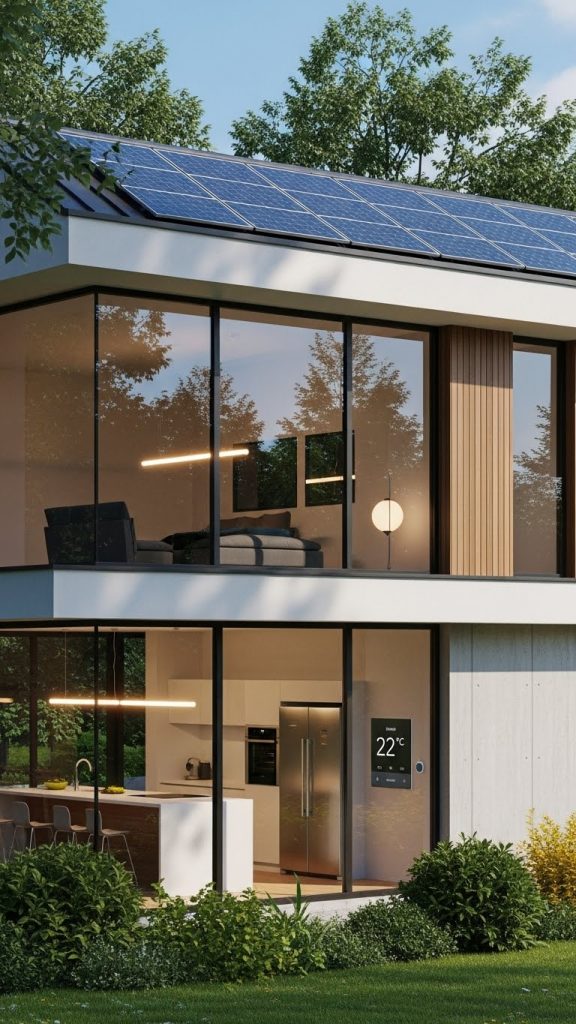
Smart energy efficient homes represent the foundation of future living. These homes focus on reducing energy consumption while maintaining comfort and operational efficiency. They incorporate advanced systems such as automated thermostats, intelligent lighting, solar panels, and energy monitoring tools. The goal is to create a home that responds naturally to environmental conditions by adjusting heating, cooling, and lighting. To prepare for such a home, materials like smart thermostats, insulation boards, double glazed windows, solar panels, and energy efficient appliances are essential. Integrating smart meters and energy tracking software helps homeowners manage real time usage patterns and make informed decisions. Future homes will rely heavily on renewable energy sources, making solar roofing tiles and battery storage systems key components. Incorporating these technologies from the start ensures lower utility bills and a reduced environmental footprint. Automated lighting systems with motion sensors and daylight detection increase efficiency by illuminating spaces only when needed. Smart power strips and energy saving modes on appliances further enhance performance. These homes create a balanced ecosystem where technology and sustainability work together to establish a comfortable, eco friendly living environment.
2 Modular and Prefabricated Home Structures
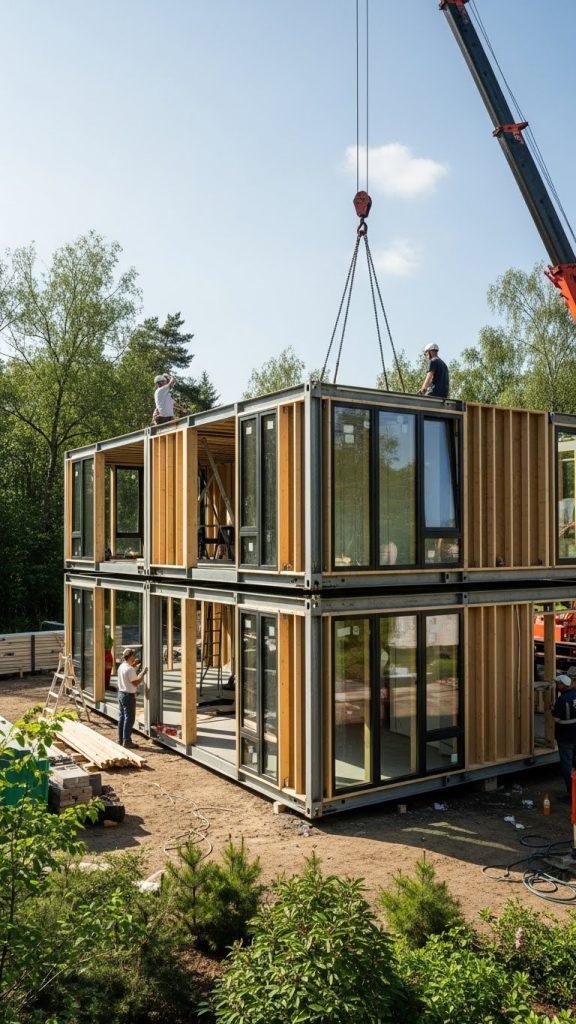
Modular and prefabricated homes represent the future of efficient construction. These structures are built off site in factory controlled environments and assembled on location, reducing construction time, labor costs, and waste. To prepare for such a home, materials include prefabricated panels, steel or wooden frames, insulated wall units, and preassembled wiring systems. The controlled factory process ensures higher precision and quality, minimizing environmental impact. These homes are designed to grow or shrink based on the needs of the occupants, offering unmatched flexibility. Homeowners can add new sections or remove old ones without undergoing major renovation projects. This adaptability makes modular homes ideal for expanding families or small living spaces in urban settings. The design also supports energy efficiency, as prefabricated components are manufactured with insulation and airtight seals to prevent heat loss. Modular homes are also more resilient against weather changes since they are built using standardized engineering practices. They offer modern aesthetics, efficient layouts, and lower environmental impact. As construction technology advances, modular home designs will incorporate renewable energy systems, integrated plumbing modules, and smart home automation built directly into the structure.
3 Self Sustaining Eco Homes
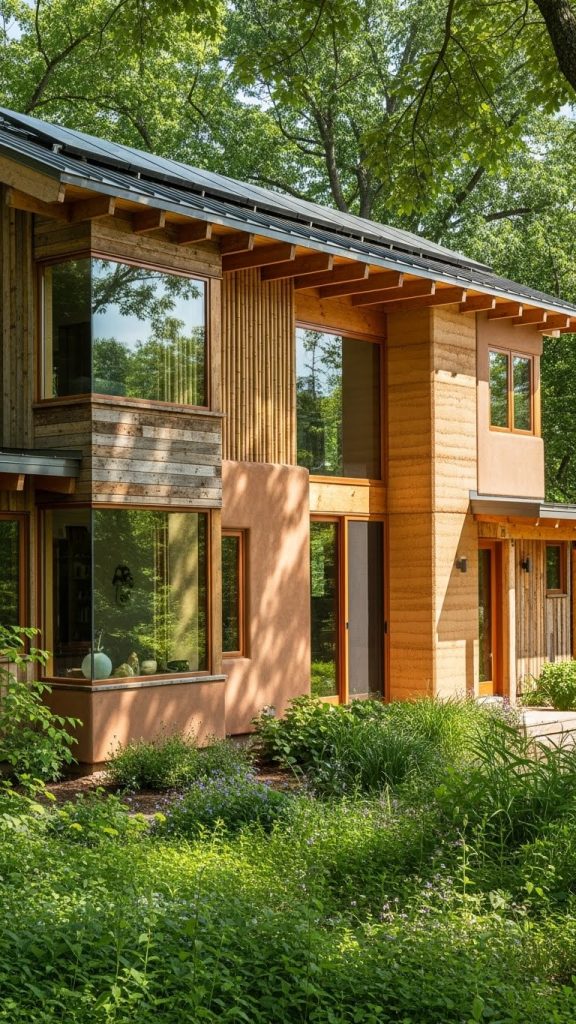
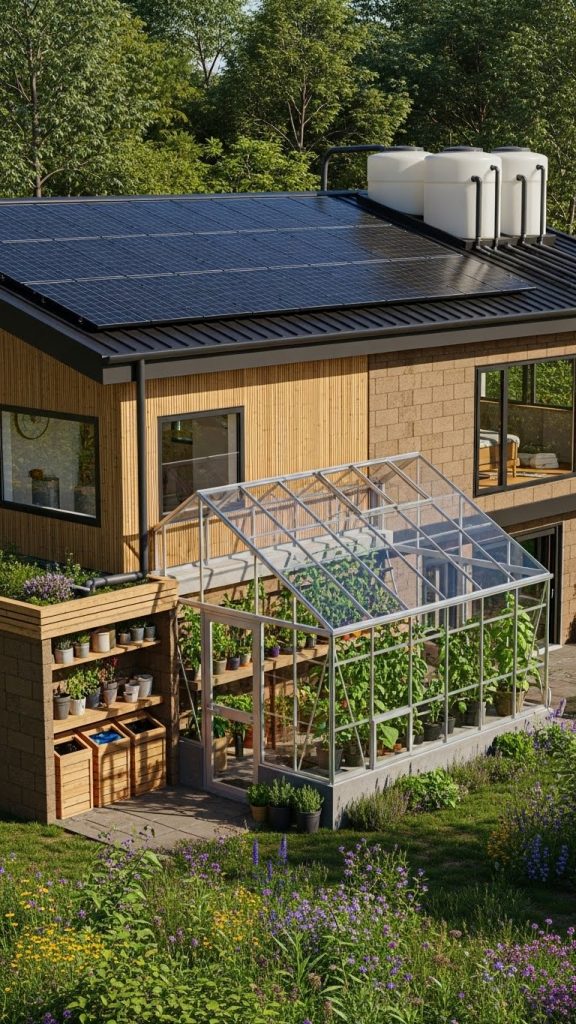
Self sustaining eco homes are built to operate with minimal reliance on external resources. These homes produce their own energy, manage waste responsibly, and use natural systems for heating, cooling, and ventilation. Key preparation materials include rainwater harvesting systems, greywater recycling units, solar panels, composting equipment, and natural building elements such as bamboo, reclaimed wood, and earth blocks. In addition, eco homes often include greenhouse spaces for growing food, reducing the need for external food sources. These homes are designed to make use of natural ventilation by incorporating large windows, roof vents, and smart shading systems. Passive solar design helps maintain indoor temperature by absorbing heat during the day and releasing it at night. This reduces dependence on artificial heating and cooling systems. Eco homes also prioritize environmentally friendly insulation such as wool, cellulose, or recycled cotton. Sustainable landscaping is another component, using native plants that require minimal water. By adopting eco conscious strategies, self sustaining homes contribute to lower carbon footprints, reduced waste, and healthier living environments. They offer a lifestyle focused on harmony with nature and long term resource efficiency.
4 Homes with Integrated Artificial Intelligence Systems
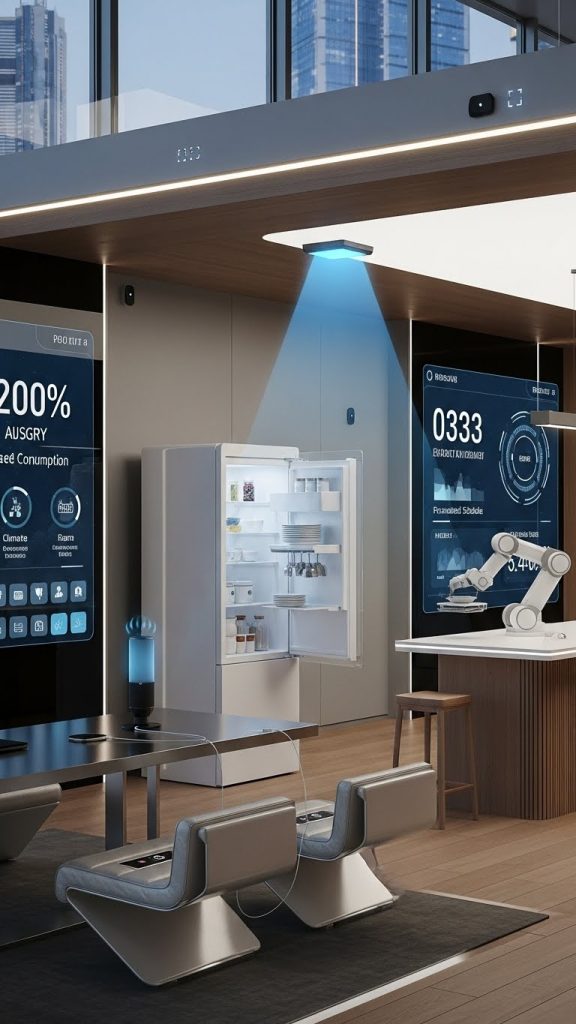
Artificial intelligence is transforming how homeowners interact with their spaces. Future homes will rely heavily on AI systems that control appliances, security, climate settings, and daily routines. These intelligent systems learn from user behavior and adjust automatically to create a personalized living experience. Preparation materials for AI integrated homes include smart sensors, voice controlled devices, AI hubs, home data networks, and interconnected appliances. AI can automate tasks like locking doors, adjusting temperature, regulating light levels, and monitoring air quality. These systems also improve safety by identifying unusual activity and alerting homeowners in real time. For example, an AI powered kitchen can recommend recipes based on available ingredients and dietary needs or monitor cooking times to prevent accidents. AI can also analyze energy usage patterns to reduce waste and provide maintenance alerts for appliances. Another advantage is enhanced accessibility for elderly residents or individuals with disabilities. AI can assist with reminders, emergency alerts, and controlling the home environment with simple voice commands. The integration of artificial intelligence establishes a living space that is responsive, efficient, safe, and tailored to individual preferences.
5 Vertical Gardens and Indoor Greenery
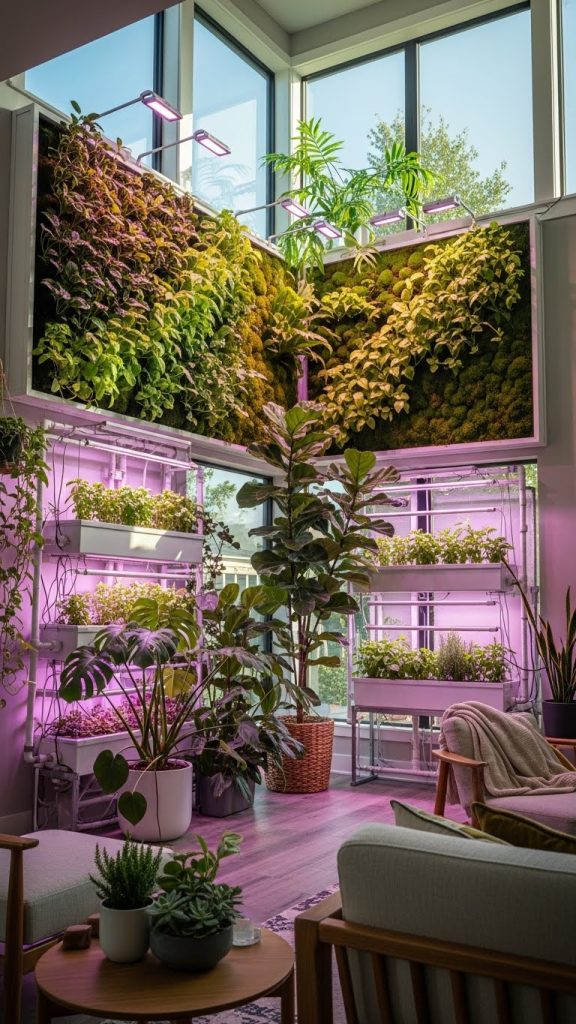
Future homes will integrate vertical gardens and indoor greenery not only as aesthetic elements but also to improve air quality, reduce stress, and support sustainable living. Vertical gardens allow homeowners to grow herbs, small vegetables, and ornamental plants even in limited spaces. Preparation materials for this idea include plant walls, hydroponic systems, irrigation tubes, planter boxes, nutrient solutions, and LED grow lights. Indoor greenery helps regulate humidity and filter pollutants, creating a healthier indoor environment. Vertical gardens are especially useful in urban homes where outdoor spaces may be limited. Hydroponic and aeroponic systems make it possible to grow plants without soil, reducing maintenance and water usage. Some future home designs include smart plant care systems that automatically adjust water flow, nutrient distribution, and lighting levels based on plant needs. Integrating greenery into kitchens, living rooms, and balconies adds freshness and improves mental well being. Furthermore, indoor plants contribute to natural insulation by absorbing sunlight and reducing indoor temperature fluctuations. Vertical gardens are an important element of future living because they connect occupants with nature, promote sustainability, and create visually appealing interior environments.
6 Multi Functional Living Spaces
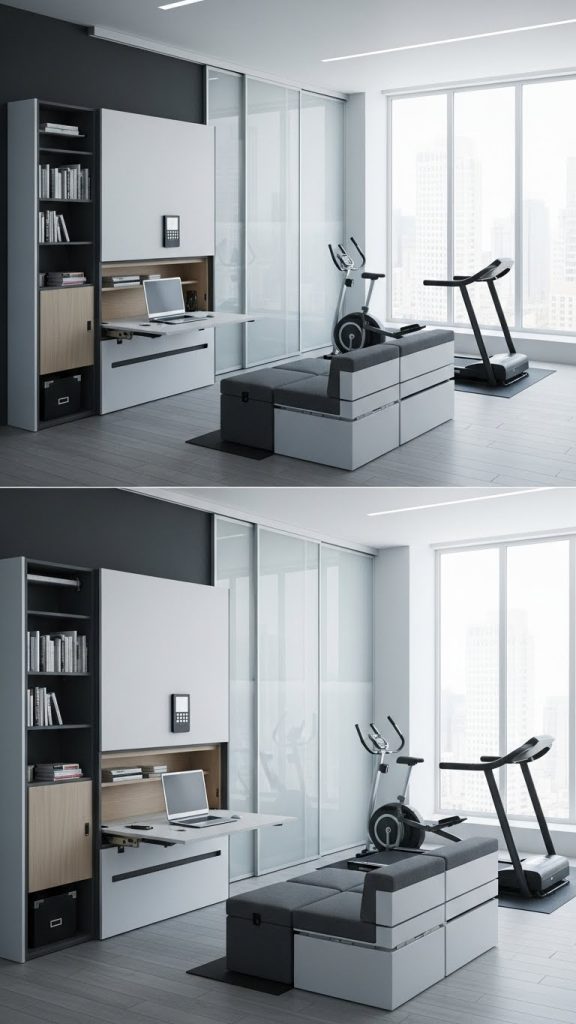
As homes become smaller in urban environments, multi functional living spaces will become essential for maximizing comfort and usability. These spaces are designed to perform multiple roles, such as a living room that transforms into a workspace or a bedroom that doubles as a fitness area. Preparation materials include foldable furniture, movable walls, smart storage solutions, convertible desks, sliding partitions, and modular seating systems. Multi functional spaces improve organization, reduce clutter, and allow residents to adapt their environments based on daily needs. This approach is especially useful for homeowners working remotely or managing limited square footage. Technological additions such as retractable screens, smart lighting, and automated room dividers allow spaces to shift from one purpose to another with minimal effort. The flexibility of multi functional design helps future homes accommodate changing lifestyles and family sizes. It also promotes minimalism by encouraging the use of fewer items that serve multiple purposes. As urban density increases, multi functional living will become a key strategy in designing homes that are practical, efficient, and adaptable.
7 Advanced Home Security and Surveillance Systems
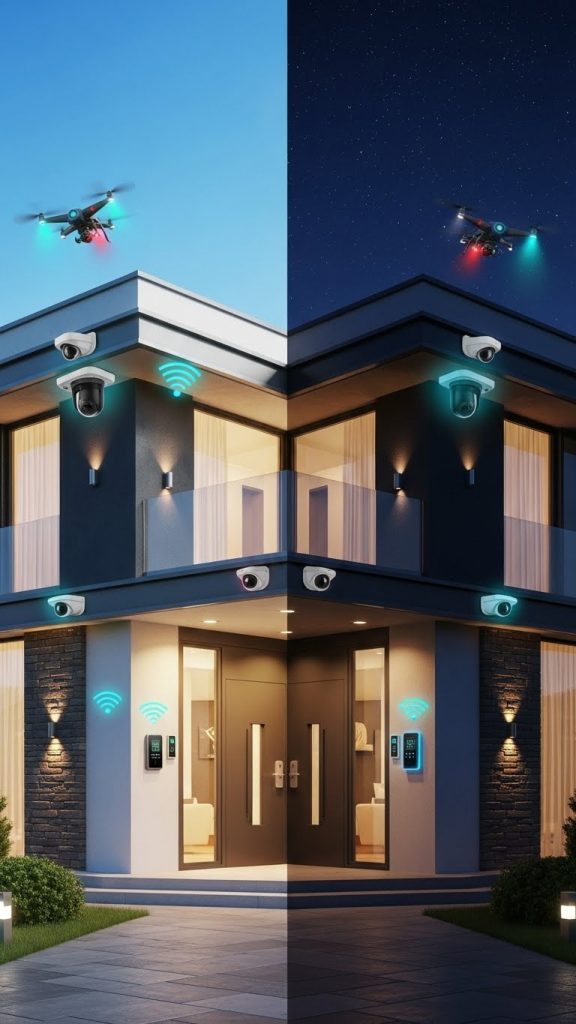
Security is a major concern for modern homeowners, and future homes will rely on advanced surveillance technologies to ensure safety. These systems use facial recognition, motion sensors, biometric locks, drones, and real time data processing to monitor activities inside and outside the home. Preparation materials for advanced home security include security cameras, reinforced doors, alarm systems, smart locks, biometric scanners, and integrated security hubs. AI powered security systems can detect unusual behavior, track movement patterns, and send alerts to homeowners or authorities. Some systems can even differentiate between residents and unknown visitors to reduce false alarms. Biometric access such as fingerprint or retina scanning increases security by ensuring only authorized individuals enter the home. Smart surveillance can also monitor environmental hazards like fire, water leakage, or gas leaks. Drones equipped with cameras provide additional monitoring for large properties. Future security systems will integrate with smart home networks, allowing homeowners to control all security features remotely. These innovations ensure that future homes offer safe and well monitored living environments.
8 Water Saving and Smart Plumbing Systems
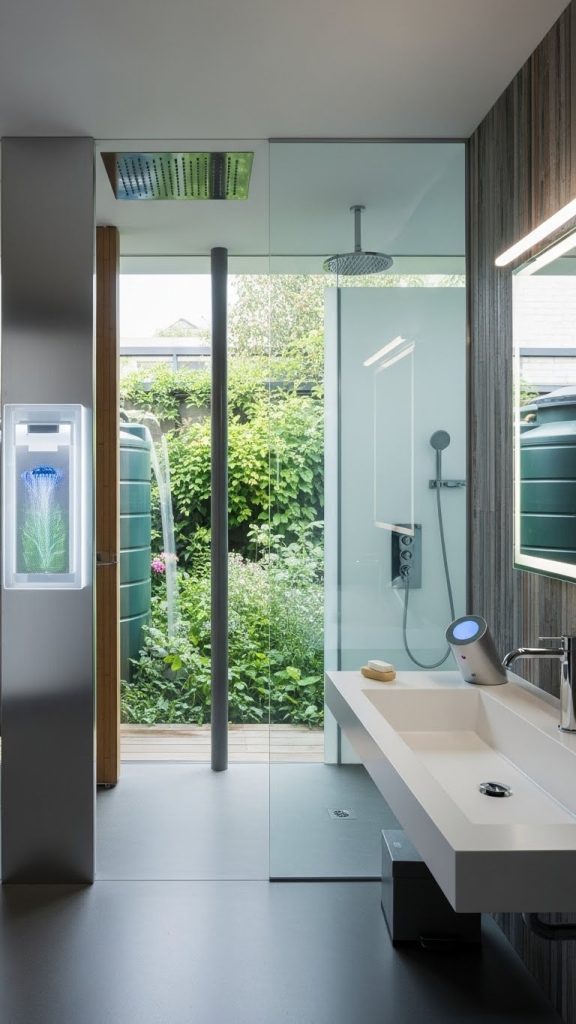
Water conservation is essential for future homes as global water scarcity becomes a growing issue. Smart plumbing systems are designed to reduce water wastage while ensuring efficient distribution for daily usage. Preparation materials include low flow fixtures, smart faucets, water monitoring sensors, greywater recycling units, rainwater storage tanks, and leak detection systems. Smart plumbing can track water usage patterns and notify homeowners of leaks or excess consumption. Low flow toilets and showerheads significantly reduce water usage without compromising performance. Greywater recycling systems treat used water from sinks and showers and repurpose it for irrigation or flushing toilets. Rainwater harvesting systems collect and filter rainwater for various uses, reducing dependency on municipal supplies. Automated irrigation systems adjust water flow based on soil moisture levels, ensuring efficient garden maintenance. Smart faucets with motion sensors promote hygiene and minimize water waste. As climate challenges continue, water efficient homes will play a crucial role in sustainability and resource management while maintaining modern comfort.
9 Home Automation with Centralized Control Systems
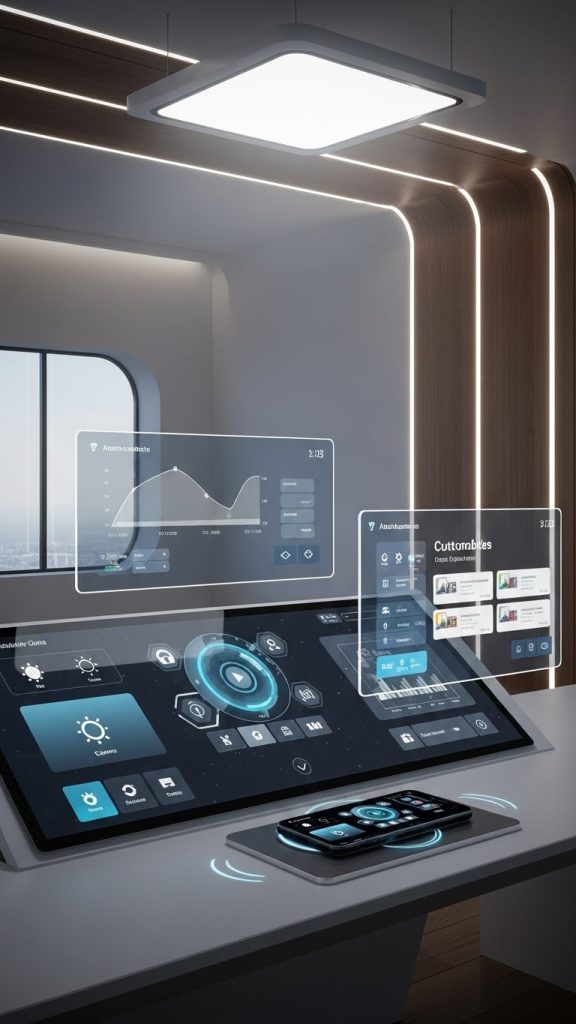
Future homes will increasingly rely on centralized control systems that manage all home functions from a single platform. These systems integrate lighting, climate, security, entertainment, and appliances into one network accessible via smartphone or voice command. Preparation materials include central control panels, smart switches, wireless networks, connected appliances, and home automation hubs. Centralized systems streamline daily tasks, allowing homeowners to control or automate home operations remotely. For example, residents can adjust the thermostat, turn off unwanted lights, lock doors, or check security cameras while away. Automation schedules can be set to enhance comfort and energy efficiency. For instance, curtains can open automatically in the morning, or lights can dim at night. These systems also improve accessibility for elderly or disabled individuals by simplifying control of essential functions. As technology advances, centralized systems will incorporate predictive algorithms to anticipate user needs and respond accordingly. This creates a truly intelligent home environment that supports convenience, security, and personalized living.
10 Sustainable Building Materials and Eco Friendly Designs
Sustainable building materials will play a crucial role in the design and construction of future homes. These materials reduce environmental impact, improve durability, and enhance energy efficiency. Preparation materials include recycled steel, bamboo, clay, rammed earth, reclaimed wood, insulated panels, low VOC paints, and natural fiber insulation. Eco friendly homes use materials that are non toxic, long lasting, and locally sourced to minimize carbon footprint. Rammed earth walls, for example, offer excellent temperature regulation and durability. Bamboo is fast growing and highly sustainable, making it ideal for flooring and furniture. Reclaimed wood provides a rustic look while reducing demand for new timber. Solar reflective roofing materials help reduce heat absorption, keeping homes cooler. Eco friendly designs also consider the orientation of the building, ventilation strategies, and natural lighting to optimize indoor comfort. Sustainable homes benefit both the environment and the occupants by providing healthier air, lower utility bills, and reduced maintenance costs. As awareness of environmental challenges grows, sustainable materials will shape the future of home construction worldwide.