Easter crafts

10 Easter Crafts Daycare

Easter is a joyful time in daycare settings. It brings bright colors, new life themes, and fun traditions that young children enjoy. Craft activities are a wonderful way to help children celebrate the season while building important skills. Through cutting, gluing, painting, and decorating, children improve fine motor skills, creativity, and focus. Easter crafts also encourage social interaction, language development, and confidence as children share their work with friends and family.

In daycare, it is important to choose crafts that are simple, safe, and age appropriate. Materials should be easy to handle, non toxic, and prepared ahead of time to keep activities organized and stress free. Teachers should always supervise closely, especially when scissors, small decorations, or glue are involved. Setting up clear instructions and examples helps children understand what to do, but it is also important to allow room for creativity and personal expression.
Below are 10 Easter craft ideas perfect for daycare. Each one includes preparation tips, materials needed, and guidance for successful implementation. These crafts are fun, educational, and simple to organize, making them ideal for busy childcare environments.

1. Paper Plate Easter Bunny

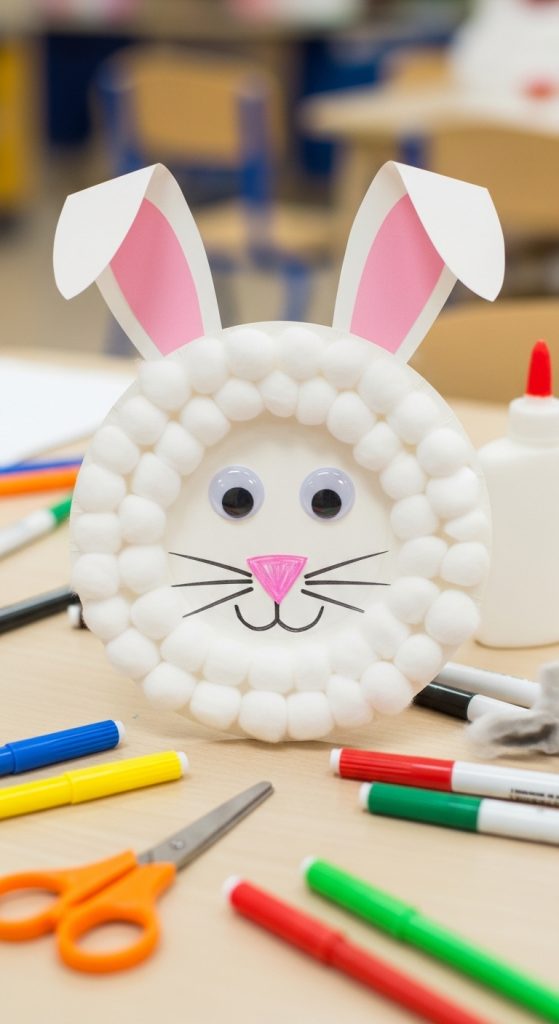
A paper plate Easter bunny is a classic and easy daycare craft. It allows children to create a cute decoration while practicing cutting and gluing skills.

Materials needed include paper plates, white and pink construction paper, cotton balls, glue sticks, child safe scissors, black markers, and googly eyes. For preparation, teachers can pre cut bunny ear shapes for younger children or lightly draw ear outlines on paper for older preschoolers to cut themselves. Setting out materials in small trays helps keep the activity organized.

To make the bunny, children glue cotton balls onto the paper plate to create fluffy fur. Next, they attach the ears to the top of the plate. Pink paper can be glued inside the ears for detail. Googly eyes and a small pink paper nose can be added to complete the face. Children can draw whiskers with a marker.

This craft supports fine motor development through gluing small cotton balls and placing facial features. It also encourages creativity, as children can choose how fluffy they want their bunny or add extra decorations like bows or stickers. Teachers can extend the activity by reading an Easter themed story or singing a spring song while the children work. The finished bunnies can be displayed on a bulletin board or sent home as a cheerful holiday decoration.

2. Handprint Chick Art

Handprint chick art is a meaningful and personal craft for Easter. Parents love receiving handprint art because it captures a moment in their child’s growth.

Materials include yellow washable paint, paintbrushes, white paper, orange construction paper, glue, markers, wipes, and smocks. Preparation involves covering tables with plastic cloths and setting up a hand washing station nearby. Teachers should also pre cut small orange triangles for beaks and small strips for feet.

To create the chick, children paint their palm and fingers with yellow paint. They then press their hand firmly onto white paper to make a print. Once dry, they glue on an orange beak and feet. Eyes can be drawn with a marker or made with small stickers.

This activity is excellent for sensory exploration. Children experience the texture of paint and the feeling of pressing their hands onto paper. It also helps with body awareness as they notice the shape and size of their hands. Teachers can talk about baby animals and how chicks hatch from eggs, connecting the craft to early science learning.

Safety is important, so always use non toxic, washable paint. Have wipes ready to clean hands immediately after printing. Displaying the finished handprint chicks in the classroom adds a bright and happy Easter theme.

3. Easter Egg Collage

An Easter egg collage is a colorful and creative project that allows children to explore patterns and textures.

Materials needed include large egg shapes cut from cardstock, tissue paper squares in different colors, glue, paintbrushes for spreading glue, sequins, stickers, and washable markers. Teachers should pre cut egg shapes and sort tissue paper into small bowls for easy access.

Children begin by brushing glue onto sections of the egg. They then place tissue paper squares on top. The overlapping colors create a beautiful stained glass effect. After covering the egg, children can add sequins or stickers for extra decoration.

This craft helps develop fine motor skills and hand eye coordination. Picking up small pieces of tissue paper requires careful finger movement. It also introduces early math concepts like patterns, shapes, and color recognition. Teachers can encourage children to create stripes, dots, or repeating color patterns on their eggs.

To simplify cleanup, place paper plates under each project to catch extra glue and paper pieces. Once dry, these eggs can be hung in windows to let light shine through the tissue paper. The bright colors create a festive Easter display in the daycare classroom.

4. Bunny Ear Headbands

Bunny ear headbands are fun because children can wear them after making them. This craft combines art with imaginative play.

Materials include white and pink construction paper, staplers, glue sticks, cotton balls, crayons, and tape. Teachers should measure and pre cut strips of white paper long enough to fit around each child’s head. Ear shapes can also be pre cut for younger children.

Children glue pink paper inside the white ear shapes. Cotton balls can be added for texture. After decorating, teachers staple or tape the strip to fit around the child’s head and attach the ears to the band.

This craft encourages pretend play. Once everyone has bunny ears, children can hop around like rabbits and participate in Easter themed games. It supports social development as children interact while wearing their creations.

Safety is important when using staplers. Only adults should handle stapling. Teachers should check that headbands are not too tight. Allow children to personalize their ears with drawings or stickers to build a sense of ownership and pride.

Bunny ear headbands are perfect for Easter parties, classroom photos, or a small performance where children sing spring songs.

5. Cotton Ball Lamb Craft

The cotton ball lamb is a soft and simple Easter craft that is perfect for younger daycare children.

Materials include lamb outlines printed on paper, cotton balls, glue, black construction paper for the face and legs, and crayons. Teachers should pre cut the face and leg shapes and prepare glue in small cups.

Children spread glue inside the lamb’s body outline and press cotton balls onto the paper. This creates a fluffy wool texture. Next, they glue the black face and legs in place. Eyes can be drawn with crayons or added with stickers.

This activity strengthens finger muscles as children pick up and press cotton balls. It also introduces farm animal vocabulary. Teachers can talk about where lambs live and what sounds they make. Singing a farm animal song can make the activity more engaging.

Because cotton balls are light and can scatter easily, keep the workspace organized and supervise closely to prevent children from putting them in their mouths. Once complete, these lamb crafts make a soft and adorable Easter decoration.

6. Painted Easter Rocks

Painting Easter rocks is a creative and slightly different craft idea. It connects children with nature while allowing artistic expression.

Materials include smooth rocks, washable acrylic paint, paintbrushes, water cups, paper towels, and clear non toxic sealant applied later by adults. Teachers should wash and dry the rocks before the activity.

Children can paint their rocks with bright Easter colors. They might create simple designs like stripes, dots, flowers, or tiny chicks and bunnies. Encourage simple shapes and bold colors for younger children.

Painting on a hard surface like a rock improves hand control and concentration. It also provides a sensory experience because rocks feel different from paper. Teachers can discuss where rocks come from and explore basic nature concepts.

After the paint dries, an adult can apply a clear sealant to protect the design. These painted rocks can decorate the daycare garden or be taken home as a keepsake. Always supervise closely and ensure rocks are large enough to prevent choking hazards.

7. Easter Basket Weaving Craft

A paper Easter basket craft introduces basic weaving skills in a simple way.

Materials include colored construction paper, pre cut basket shapes with slits, strips of contrasting paper, glue, and paper handles. Teachers should prepare basket templates with evenly spaced slits across the center.

Children weave paper strips over and under through the slits. This step may require guidance, especially for younger preschoolers. Once weaving is complete, they glue the ends in place and attach a handle.

This craft supports fine motor coordination and early problem solving. The over under pattern helps children understand sequencing and attention to detail. Teachers can count strips together or talk about color patterns while weaving.

Children can decorate their baskets with stickers or drawings. Small paper eggs can be placed inside for decoration. This activity may take more time than others, so it works well as a small group project with extra adult support.

8. Sponge Painted Easter Eggs

Sponge painting adds texture and variety to traditional painting activities.

Materials include egg shaped paper cutouts, small sponges cut into pieces, washable paint in pastel colors, paper plates for paint, and aprons. Teachers should pre cut the egg shapes and prepare sponges in easy to hold sizes.

Children dip sponges lightly into paint and press them onto the egg shape. The sponge creates a soft, dotted texture. Different colors can be layered once the first layer dries.

This activity strengthens hand muscles and introduces new painting techniques. It also allows children who may struggle with brushes to enjoy painting in a different way. Teachers can encourage children to describe the texture and colors they see.

Keep paint amounts small to reduce mess. Demonstrate gentle dabbing instead of dragging the sponge. When finished, these textured eggs create a beautiful classroom display.

9. Popsicle Stick Easter Cross

For daycare centers that include religious education, a popsicle stick cross can be a meaningful craft.

Materials include large popsicle sticks, glue, paint, small decorative items like stickers or foam shapes, and brushes. Teachers should prepare sample crosses and set out materials neatly.

Children glue two sticks together in a cross shape. After the glue dries, they paint the sticks in bright or pastel colors. Decorations can be added once the paint is dry.

This craft encourages careful assembly and patience. It also provides an opportunity to talk about the meaning of Easter in a simple and respectful way. Teachers should keep explanations age appropriate and positive.

Ensure glue is fully dry before painting to prevent sticks from shifting. The finished crosses can be displayed or taken home to share with family.

10. Easter Story Paper Bag Puppets

Paper bag puppets combine crafting with storytelling and dramatic play.

Materials include small paper lunch bags, construction paper, glue, markers, yarn, and stickers. Teachers should pre cut shapes for bunny ears, chick wings, or other Easter characters.

Children decorate the flap of the bag as a face and use the bottom portion as the puppet’s body. They can add ears, beaks, yarn hair, and drawn features. Encourage children to be creative and invent their own Easter character.

This craft supports language development and imagination. After making puppets, children can use them in a small group storytelling session. Teachers can guide a simple Easter story or allow children to create their own.

Paper bag puppets are easy to store and can be reused for future play. Always supervise when using small decorative pieces. This activity brings together art, creativity, and communication, making it a perfect way to end Easter crafting in daycare.

These 10 Easter crafts offer a variety of creative, educational, and engaging activities for daycare children. With proper preparation, safe materials, and supportive guidance, teachers can create a joyful and meaningful Easter experience for every child.

Leave a Reply

Your email address will not be published. Required fields are marked *