10 Dressing Room Design

A dressing room is more than just a place to store clothes. It is a personal space where daily routines begin and end. A well-designed dressing room helps you stay organized, saves time, and adds comfort to your lifestyle. Whether you have a large home or a small apartment, a good dressing room design can be created with proper planning, right materials, and smart use of space. Many people think dressing rooms are only for luxury homes, but with modern design ideas, even a small corner can be transformed into a functional and stylish dressing area.
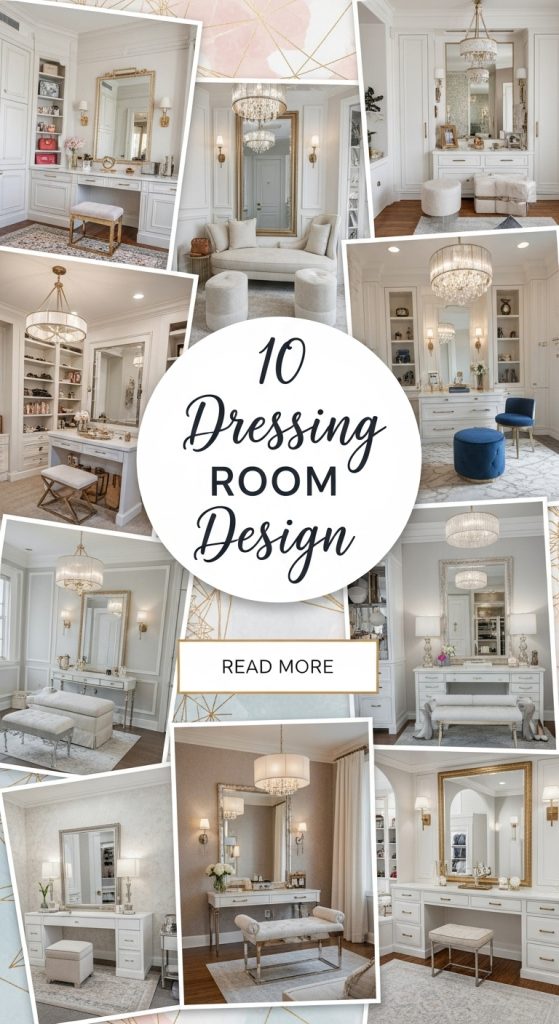
When planning a dressing room, it is important to consider storage needs, lighting, ventilation, and ease of movement. The choice of materials, such as wood, glass, metal, and fabrics, plays a big role in durability and appearance. Good preparation before construction or renovation helps avoid mistakes and extra costs. This includes measuring the space, deciding the budget, selecting materials, and planning storage zones for clothes, shoes, accessories, and mirrors.

In this blog post, you will find 10 detailed dressing room design ideas. Each design focuses on functionality, comfort, and visual appeal. Preparation tips, material choices, and practical suggestions are included to help you design a dressing room that suits your needs and lifestyle.


1. Walk-In Dressing Room Design

A walk-in dressing room is one of the most popular and comfortable designs. It is ideal for homes with extra space and allows easy access to clothes, shoes, and accessories. This design usually includes open wardrobes, drawers, shelves, and a full-length mirror. Proper planning is essential to ensure smooth movement inside the room without making it feel crowded.

Preparation starts with measuring the available space and deciding the layout. You can choose between U-shaped, L-shaped, or straight layouts depending on room size. Materials commonly used include plywood or MDF for wardrobes, laminated or veneered finishes for durability, and soft-close hardware for drawers. Glass shutters or open shelves can be used to make the space feel larger.

Lighting is very important in walk-in dressing rooms. LED strip lights inside shelves and wardrobes improve visibility and add a modern look. Ceiling lights should be bright but soft. Ventilation must also be considered to keep clothes fresh. A small window or exhaust fan works well.

This design is suitable for people with large wardrobes who want everything well-organized. It also adds value to the home and creates a luxurious daily experience.


2. Compact Dressing Room for Small Spaces

A compact dressing room is perfect for small homes and apartments. It focuses on smart storage solutions and efficient use of space. This design often combines wardrobes, mirrors, and drawers in a single wall or corner.

Preparation includes identifying unused corners or wall spaces. Sliding wardrobes are highly recommended as they save space. Materials like engineered wood, high-gloss laminates, and mirrors are commonly used to create a clean and modern look. Mirrors on wardrobe shutters help make the room feel bigger.

Storage should be planned carefully. Vertical shelves, pull-out drawers, and hanging rods help maximize space. Multi-purpose furniture, such as a dressing table with storage, is very useful. Lighting should be placed near the mirror and inside wardrobes for better visibility.

This design proves that even small spaces can be stylish and functional. With the right planning and materials, a compact dressing room can meet all daily needs without feeling cluttered.


3. Open Dressing Room Concept

An open dressing room concept is a modern and trendy design. It usually has open shelves, hanging racks, and visible storage without doors. This design works well for people who like easy access to their clothes and enjoy keeping things organized.

Preparation involves choosing a dedicated area, often connected to the bedroom. Materials such as metal frames, wooden shelves, and glass accessories are commonly used. Since storage is open, materials should be strong and easy to clean. Light-colored finishes help maintain a neat appearance.

Lighting plays a key role in open dressing rooms. Soft white lighting highlights clothes and creates a pleasant atmosphere. Floor-to-ceiling mirrors enhance functionality and style. Proper organization is necessary to avoid a messy look.

This design is best for minimalists who prefer simplicity and modern interiors. It requires regular maintenance but offers a stylish and accessible dressing solution.


4. Luxury Dressing Room Design

A luxury dressing room focuses on comfort, elegance, and premium materials. It often includes custom wardrobes, seating, decorative lighting, and high-quality finishes. This design creates a boutique-style experience at home.

Preparation starts with a detailed design plan and budget. Materials like solid wood, leather finishes, marble countertops, and tinted glass are commonly used. Soft-close fittings, velvet-lined drawers, and branded hardware add to the luxury feel.

Lighting is layered with ceiling lights, spotlights, and wardrobe lights. A comfortable chair or ottoman can be added for convenience. Mirrors with decorative frames or backlighting enhance the overall look.

This design is ideal for large homes and people who want a high-end lifestyle. It requires careful planning but delivers long-lasting beauty and comfort.


5. Dressing Room with Dressing Table

This design combines storage with a dedicated dressing table area. It is practical for daily grooming and personal care routines. The dressing table is usually placed near a mirror with proper lighting.

Preparation includes selecting the right location, preferably near natural light. Materials such as plywood, laminate finishes, and glass tops are commonly used. The dressing table should have drawers for cosmetics, jewelry, and personal items.

Lighting around the mirror is very important. Wall-mounted lights or LED mirror lights work best. A comfortable stool or chair adds convenience. Storage should be divided between clothes and grooming essentials.

This design is suitable for both small and large spaces. It combines functionality and comfort in a single area, making daily routines easier and more organized.


6. Minimalist Dressing Room Design

A minimalist dressing room focuses on clean lines, simple colors, and clutter-free storage. This design emphasizes functionality over decoration and creates a calm environment.

Preparation involves reducing unnecessary items and planning essential storage only. Materials like matte laminates, neutral colors, and simple hardware are commonly used. Open shelves and handle-less wardrobes enhance the minimalist look.

Lighting should be soft and evenly distributed. Mirrors without heavy frames fit well with this design. Storage is neatly hidden to maintain a clean appearance.

This design is perfect for people who prefer simplicity and organized living. It is easy to maintain and timeless in style.


7. Dressing Room with Mirror Walls

Mirror wall dressing rooms use large mirrors to enhance space and light. This design is especially useful for small rooms as mirrors create an illusion of a bigger area.

Preparation includes selecting high-quality mirrors and safe installation. Materials like glass, aluminum frames, and laminated wood are commonly used. Mirror-finished wardrobe shutters are also popular.

Lighting reflects beautifully in mirrored spaces, so warm lighting is recommended. Storage should be well-organized to avoid visual clutter.

This design is stylish and practical. It improves functionality while making the dressing room feel open and bright.


8. Classic Wooden Dressing Room Design

A classic wooden dressing room offers warmth and timeless appeal. It uses natural or wood-finish materials to create a cozy and elegant atmosphere.

Preparation includes choosing the right type of wood or engineered wood. Materials such as teak, oak finishes, or wood laminates are commonly used. Proper polishing and finishing ensure durability.

Lighting should be warm to complement wood tones. Traditional mirrors and simple hardware match the classic style. Storage includes closed wardrobes and drawers for a neat look.

This design suits people who prefer traditional interiors and long-lasting materials. It adds character and comfort to the home.


9. Dressing Room with Shoe and Accessory Storage

This design focuses on organized storage for shoes, bags, belts, and accessories. It is ideal for people with large collections.

Preparation involves categorizing items and planning storage accordingly. Materials like metal racks, wooden shelves, and glass partitions are commonly used. Pull-out shoe racks and accessory drawers improve accessibility.

Lighting inside storage units helps locate items easily. Clear sections prevent overcrowding. Proper ventilation keeps shoes fresh.

This design improves organization and protects valuable items. It makes daily dressing quicker and more efficient.


10. Multi-Functional Dressing Room Design

A multi-functional dressing room combines dressing, storage, and sometimes work or seating areas. It is designed for maximum utility.

Preparation includes zoning the space for different activities. Materials such as modular furniture, laminated boards, and lightweight partitions are used. Foldable furniture saves space.

Lighting should suit all functions, including dressing and working. Storage is flexible and adjustable.

This design is ideal for modern homes with limited space. It offers versatility and smart use of every corner.


Leave a Reply

Your email address will not be published. Required fields are marked *