10 Colonial Entryway ideas

Colonial homes are timeless examples of symmetry, grace, and craftsmanship. Their entryways create an immediate impression that speaks of tradition and hospitality. A Colonial entryway combines historical details with modern comforts, focusing on balance, natural materials, and refined design. Whether you own a classic Colonial home or wish to bring its aesthetic charm into a contemporary space, designing a welcoming and authentic entryway can make all the difference. This detailed guide explores ten Colonial entryway ideas with in-depth descriptions, materials to use, and preparation advice for creating a cohesive, elegant look.
1. Classic Symmetrical Entryway Design
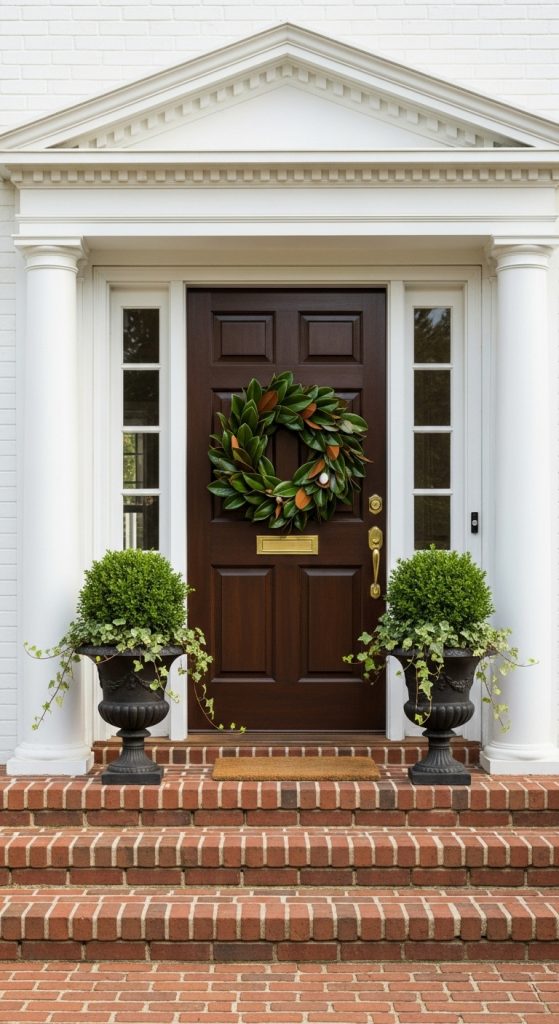
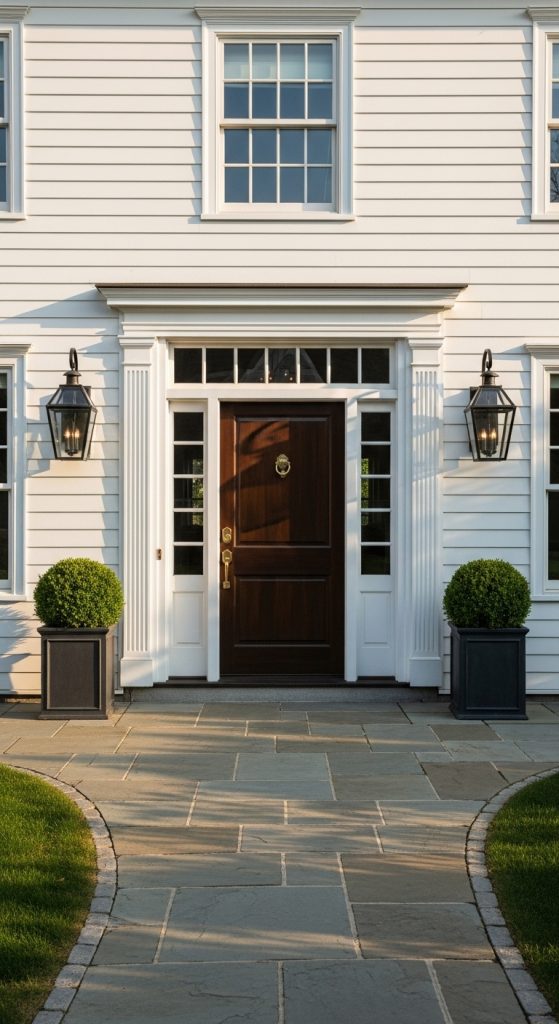
A defining element of Colonial architecture is symmetry. To achieve this timeless look, start by aligning your entry door centrally on the façade, flanked by equal window placements or sidelights. Use a solid wood door—mahogany, oak, or cherry are traditional choices—with a polished brass or iron knocker to reinforce the period charm. Add twin planters with boxwood topiaries or ferns on either side of the doorway for visual balance. The entry lighting should also mirror this layout, such as matching wall lanterns or sconces. Preparation includes measuring wall spacing carefully and ensuring both sides mirror each other in layout and size. This design approach brings a sense of proportion, order, and harmony that makes Colonial architecture so appealing. Keeping color palettes neutral, such as whites, soft greys, and beige, enhances the classical aesthetic. Maintain crisp lines and avoid clutter to let the architecture’s symmetry remain the main focus.
2. Wooden Paneled Doors with Brass Accents
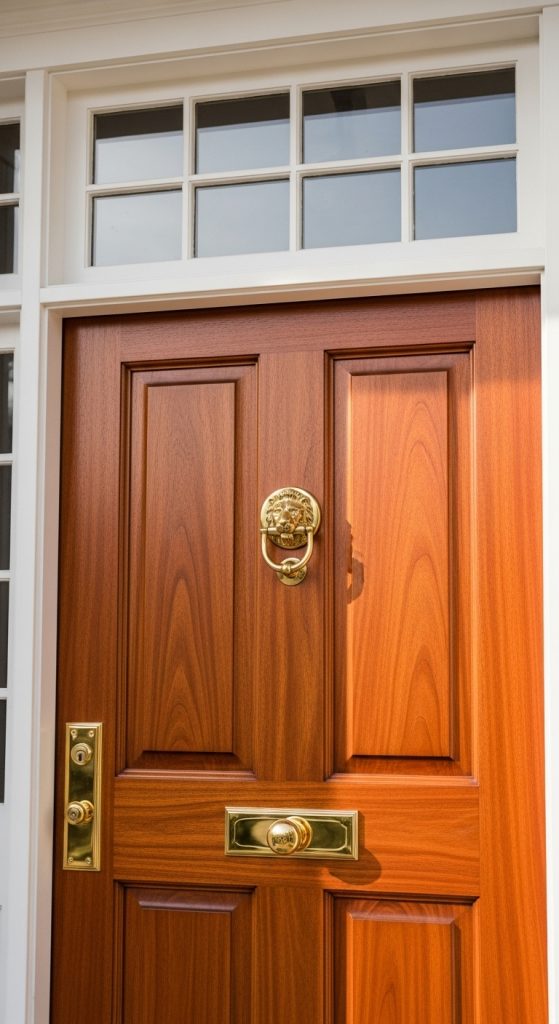
A wooden paneled door is central to the Colonial entryway style. Traditional six-panel doors are the most authentic choice, offering both visual depth and durability. Choose solid hardwood like mahogany or walnut for a rich tone and finish it with a natural oil or lacquer for protection. Brass hardware—such as knobs, hinges, and mail slots—adds a touch of sophistication. For preparation, sand the door surface, apply primer if painting, and finish with two coats of exterior-grade paint or varnish. If you prefer a more natural appearance, use linseed oil to enhance the wood grain. Consider adding a brass kick plate at the base for both decorative and functional appeal. A transom window above the door or sidelights can introduce more natural light while preserving the door’s solid form. This combination of deep wood tones and bright brass accents creates a warm, inviting, and historically accurate entryway that stands up beautifully to weather and time.
3. Colonial Brick Pathway and Steps
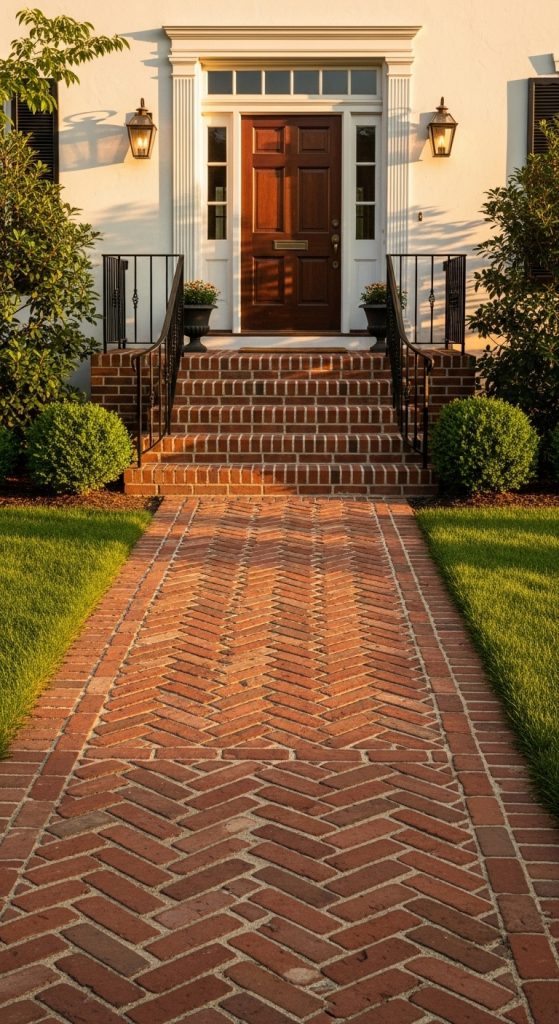
A brick pathway leading up to your front door immediately evokes the charm of early American Colonial homes. Traditional red or clay-toned bricks are ideal, often laid in herringbone or basketweave patterns. Begin by preparing the area with a compacted gravel base and a layer of sand to ensure stability and drainage. Use mortar or polymeric sand to lock bricks in place, preventing weed growth and shifting. For added authenticity, choose reclaimed or tumbled bricks that have a slightly aged texture. The pathway can lead to brick or stone steps that elevate the entry door slightly above ground level, reinforcing architectural symmetry. Complement this with wrought iron railings or lantern-style lighting. Maintaining your brickwork by sealing and cleaning it annually ensures longevity and appearance. This idea blends beauty and practicality, grounding the Colonial entryway in natural materials that age gracefully while adding a sense of history and permanence.
4. Decorative Pediment and Columns
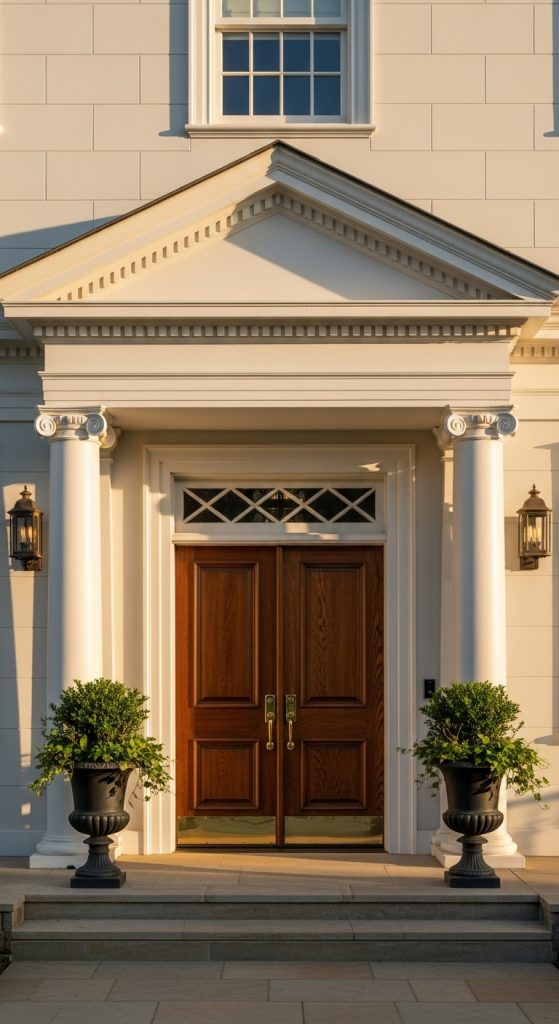
Colonial entryways are famous for their grand architectural elements, especially pediments and columns that frame the door. A triangular or arched pediment placed above the doorway adds visual height and importance. Use wood, plaster, or composite materials to craft the pediment, ensuring it matches the house’s overall style and scale. Fluted or smooth columns, often inspired by classical Greek design, can be installed on either side of the door to provide structural framing and visual symmetry. Preparation involves precise measurements and secure anchoring to ensure both safety and aesthetic alignment. Paint the columns and pediment in white or cream shades to maintain a clean, traditional appearance. This combination instantly enhances curb appeal, giving the entryway a stately and welcoming presence. Lighting fixtures, wreaths, or planters can be used to add softness to the strong architectural lines, balancing elegance with approachability.
5. Neutral and Muted Color Palette
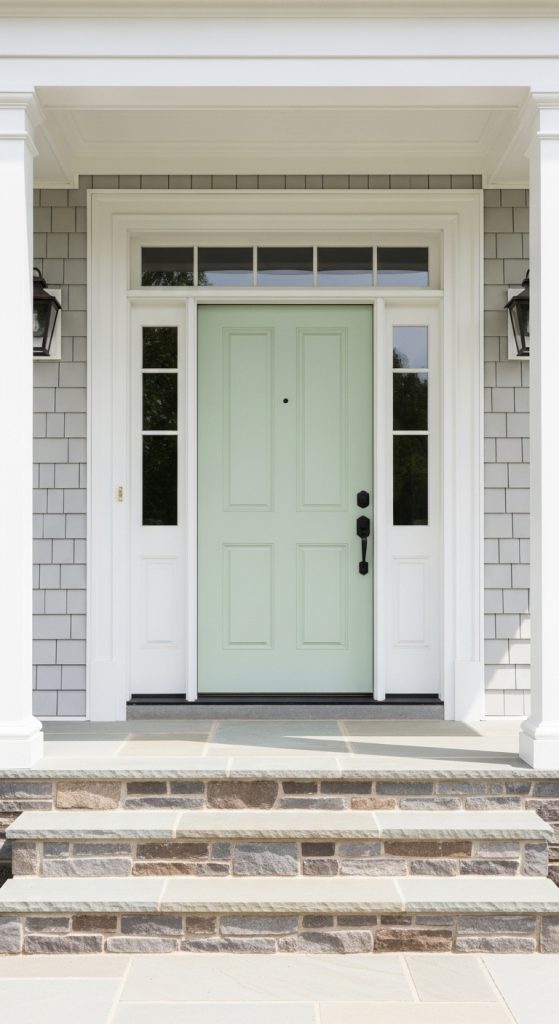
The Colonial entryway color palette is typically subdued and elegant. Soft neutrals like ivory, cream, dove gray, and muted blues or greens dominate this style. To select the right hues, consider the color of your home’s façade—brick, clapboard, or stone—and choose complementary shades. Preparation includes cleaning and priming surfaces to ensure even coverage. For doors, use high-gloss or semi-gloss finishes to provide durability and a subtle sheen. Trim and molding should generally be painted white or a lighter contrasting tone to define architectural lines. Earthy tones work well for flooring and stairs, maintaining a grounded, natural feel. Avoid overly bright or modern colors, as they can disrupt the historical balance. The goal is to evoke a sense of calm sophistication. Regular maintenance, including touch-ups and seasonal cleaning, helps retain a fresh and cohesive look that enhances the timeless beauty of a Colonial-style entryway.
6. Wainscoting and Crown Molding Details
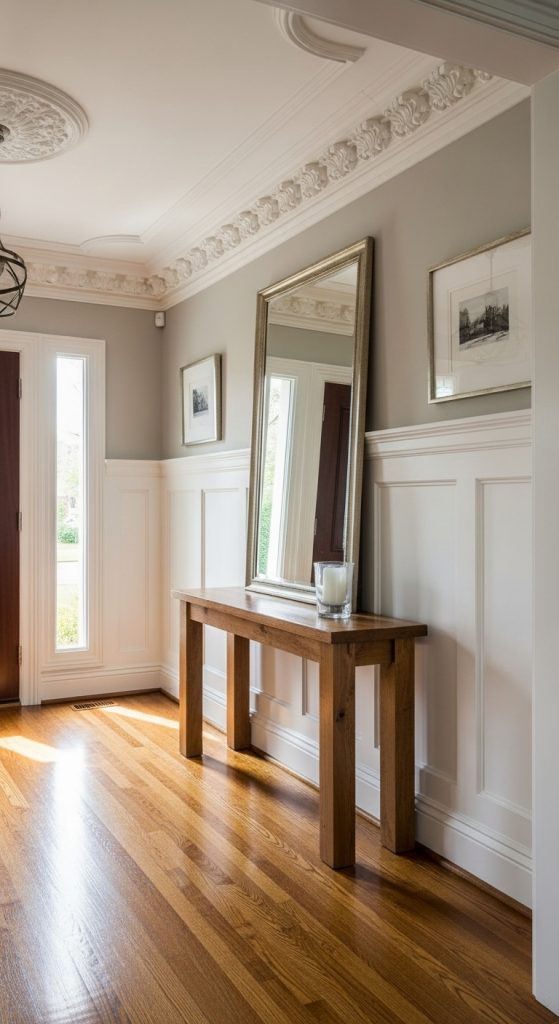
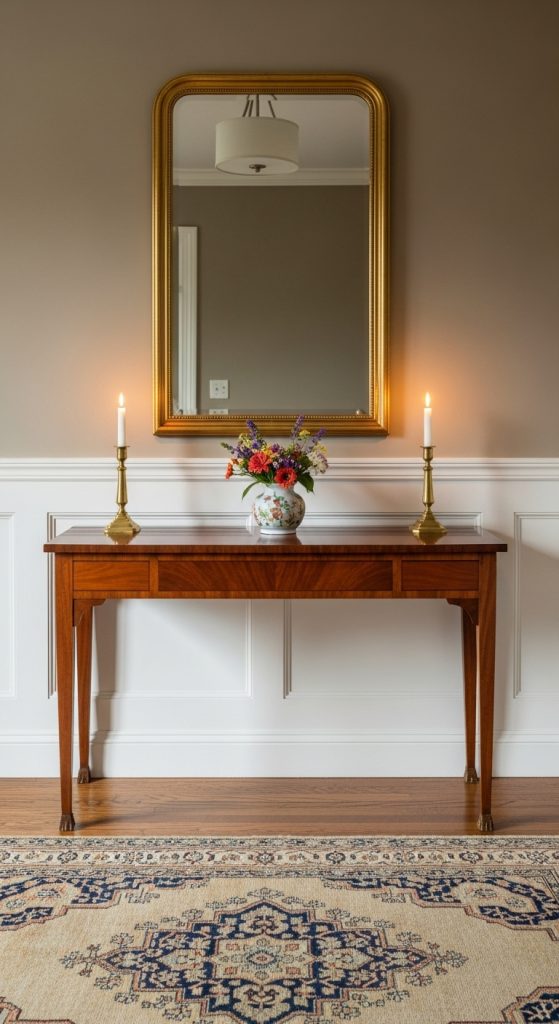
Inside the Colonial entryway, wainscoting and crown molding add layers of depth and craftsmanship. Traditional wainscoting typically covers the lower third of the wall, often painted in a soft white or neutral tone. Beadboard or raised panel designs both fit the Colonial aesthetic. Use wood or MDF materials, depending on your budget, and ensure proper sanding, priming, and painting for durability. Crown molding, installed where the walls meet the ceiling, frames the entryway with elegance. Preparation involves precise cutting and fitting to maintain alignment and avoid gaps. Paint or stain the trim to complement wall colors, maintaining consistency throughout the space. The combination of wainscoting and crown molding enhances texture while emphasizing the vertical and horizontal lines characteristic of Colonial design. Together, they elevate the entryway’s appearance from simple to refined, reflecting the craftsmanship and attention to detail that define this architectural era.
7. Traditional Lighting Fixtures
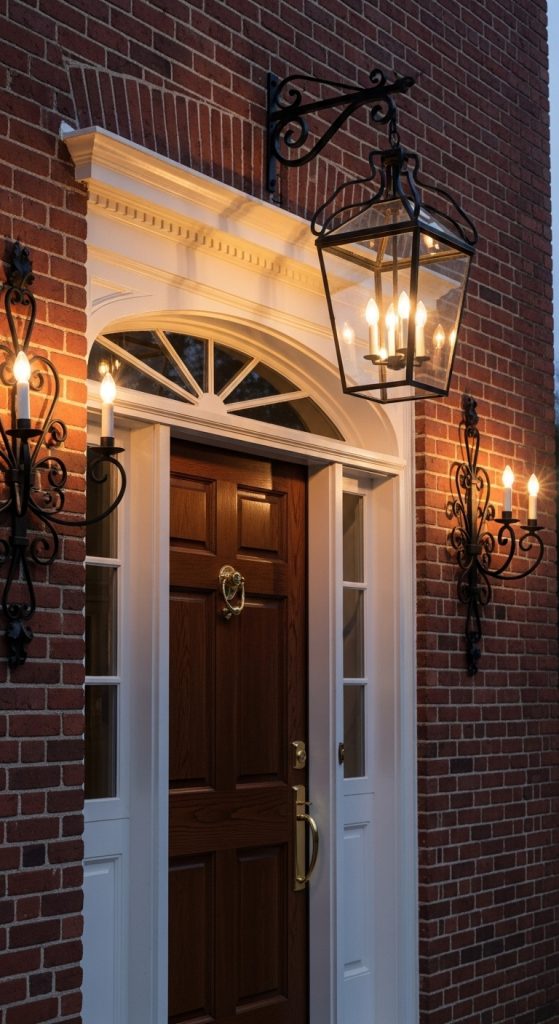
Lighting is a defining feature in Colonial entryways. Lantern-style fixtures, wall sconces, and chandeliers made of wrought iron, brass, or aged bronze create an inviting and timeless atmosphere. Outdoor fixtures flanking the door should match in style and size for balance, while interior lighting can include a central hanging lantern or candle-style chandelier. Preparation includes ensuring proper wiring and safe installation, ideally handled by a qualified electrician. Opt for warm-toned bulbs to mimic the soft glow of candlelight that was common in early Colonial homes. For authenticity, consider fixtures with clear or seeded glass panels and subtle detailing. Inside the entry, table lamps on a console or wall sconces can provide additional layers of light and ambiance. The key is to combine function and form, highlighting architectural features while maintaining the historical charm of the Colonial style. Consistent maintenance, including cleaning metal finishes and replacing bulbs, ensures lasting appeal.
8. Antique-Inspired Furniture and Accessories
Colonial entryways often feature furniture pieces that blend elegance with practicality. A classic console table made from dark wood such as cherry or walnut sets the tone immediately upon entering. Pair it with a simple mirror framed in a matching finish to reflect light and expand the space visually. Accessories like a brass tray, porcelain vase, or antique clock can add historical depth without overwhelming the design. Preparation includes selecting pieces that are appropriately scaled to the size of your entryway—avoid oversized items that crowd the space. If possible, source vintage or reproduction furniture that replicates Colonial craftsmanship. Polished surfaces and subtle ornamentation help maintain a refined appearance. A woven rug or small Persian runner can add warmth and protect flooring. This combination of furniture and decor achieves a balance between functionality and formality, enhancing the welcoming yet dignified character that defines Colonial interiors.
9. Natural Wood Flooring and Rugs
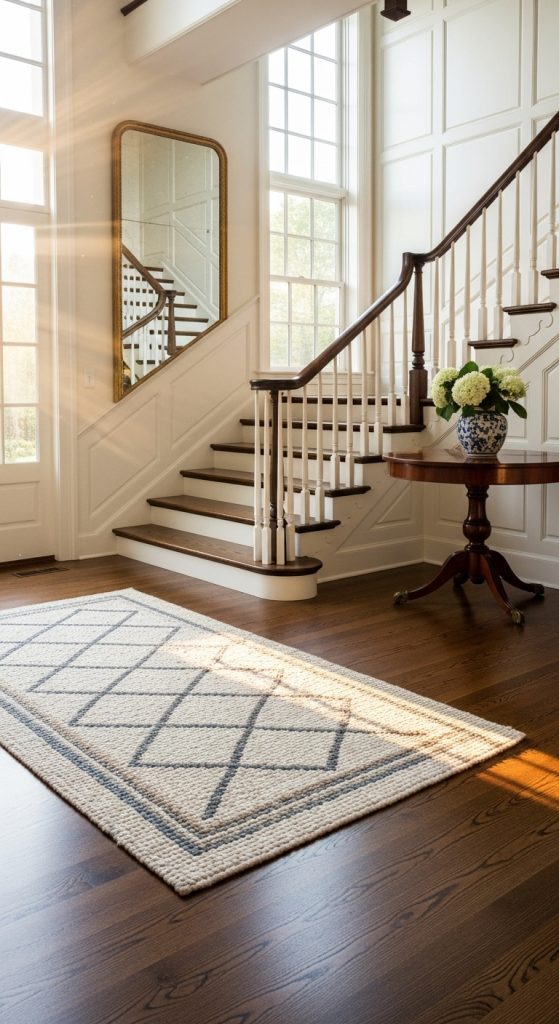
Flooring plays a crucial role in defining the atmosphere of a Colonial entryway. Traditional hardwood floors such as oak, pine, or maple reflect the authenticity of the period. Choose planks with a medium or dark stain to highlight natural grain patterns. Preparation involves proper subfloor leveling and sealing to protect against moisture and wear. Use an oil-based finish for a warm sheen or a matte polyurethane coating for durability. To soften the look and add comfort, incorporate a woven or braided area rug in muted tones or classic patterns such as stripes or checks. Natural fibers like wool, jute, or cotton work best for texture and longevity. The rug should be proportionate to the space, anchoring the central area without covering the flooring completely. Regular maintenance, including sweeping and periodic refinishing, keeps the wood looking rich and inviting. This combination of hardwood and textiles brings warmth, texture, and authenticity to any Colonial-inspired entryway.
10. Greenery and Seasonal Wreaths
Adding greenery and seasonal touches brings life and freshness to a Colonial entryway. A well-crafted wreath of evergreen, magnolia leaves, or dried herbs hung on the front door provides year-round charm. For preparation, use a sturdy wreath hook or ribbon to secure it without damaging the door’s finish. Flank the doorway with symmetrical planters containing boxwood, ivy, or seasonal flowers like hydrangeas or chrysanthemums. Inside the entryway, small potted plants or floral arrangements can add color and fragrance. For authenticity, choose traditional ceramic, terracotta, or wrought iron planters. During holidays, natural decorations such as pine cones, berries, or garlands enhance the Colonial aesthetic while remaining understated. Regularly replace or refresh plants to keep the entryway looking vibrant. This infusion of nature not only connects your home to its surroundings but also enhances the timeless charm of Colonial design, ensuring a welcoming environment throughout the year.