10 Modern art paintings ideas
Modern art is a playground of creativity, allowing artists to break traditional rules and explore new ways of expressing ideas, emotions, and concepts. Unlike classical art, which often emphasizes realism, modern art encourages experimentation with color, texture, form, and even unconventional materials. Whether you are a beginner or an experienced painter, modern art provides an opportunity to explore your imagination, develop your personal style, and create works that are visually striking and emotionally meaningful.
In this post, we will discuss ten unique modern art painting ideas that you can try in your own studio. Each idea includes preparation tips, the materials you might need, and methods to bring your vision to life. These concepts are versatile and adaptable, so you can modify them to suit your style and skill level. By experimenting with these ideas, you will not only improve your painting techniques but also gain confidence in expressing your individuality through art.
1. Abstract Geometric Shapes
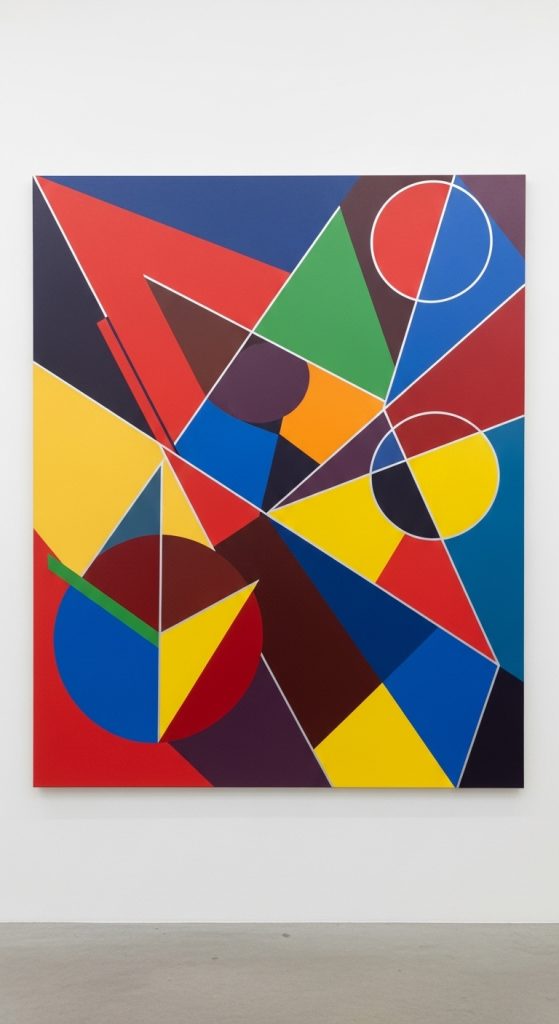
Creating abstract geometric shapes is a great way to explore color, balance, and composition. Start by sketching simple shapes like triangles, circles, rectangles, or polygons on a blank canvas. You can use rulers or stencils to make your shapes precise, or let them be freehand for a more organic feel.
For materials, you will need acrylic paints, brushes of various sizes, a palette for mixing colors, and painter’s tape if you want crisp edges. Acrylics are ideal because they dry quickly and allow layering. Start by painting the background in one or two colors, then fill each shape with contrasting hues. Experiment with gradients or overlapping shapes to add depth.
Preparation involves planning your color palette carefully, considering how the colors interact. You can also experiment with metallic or fluorescent paints for a modern touch. Once dry, add finishing details like outlines or shadows to enhance the three-dimensional effect. This style encourages precision as well as creativity, making it perfect for modern art lovers.
2. Minimalist Monochrome Painting
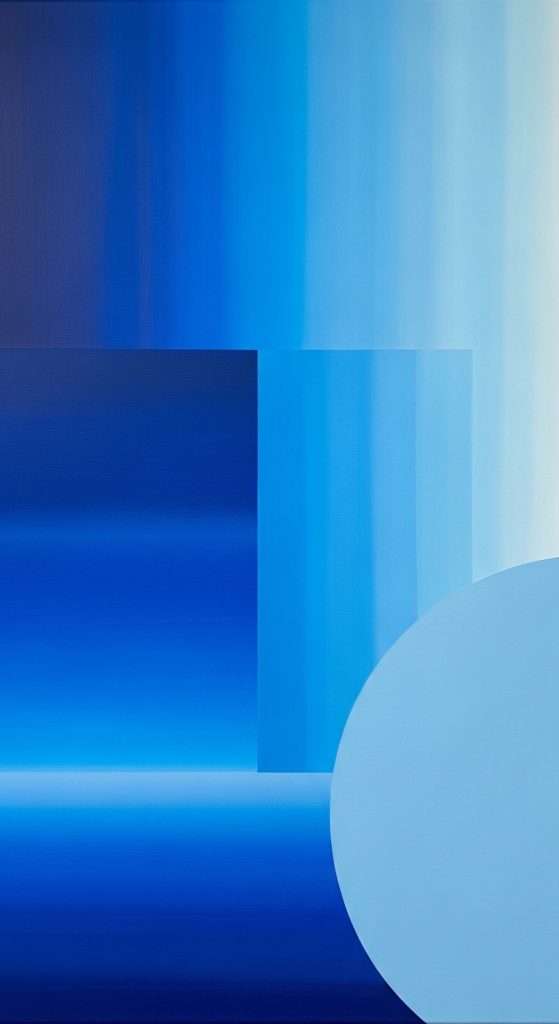
Minimalism emphasizes simplicity and clarity, often using limited colors and shapes to convey a message. A monochrome painting, using shades of a single color, can create a striking modern artwork. Begin by choosing a color that evokes the feeling you want to express, such as blue for calmness or red for energy.
Materials include a stretched canvas, acrylic or oil paints, a palette knife, and brushes. You may also use masking tape to create clean divisions if desired. Preparation involves selecting your shades and planning the composition, keeping the design simple yet impactful.
Start by painting the base layer with a medium shade, then gradually add lighter or darker shades to create subtle contrasts. Use layering or textured brush strokes for depth. Minimalist paintings rely on precision and restraint, so avoid overcrowding the canvas. This approach helps you focus on the emotional impact of color and space rather than complex detail, making it an excellent choice for modern art enthusiasts seeking simplicity.
3. Mixed Media Collage Painting
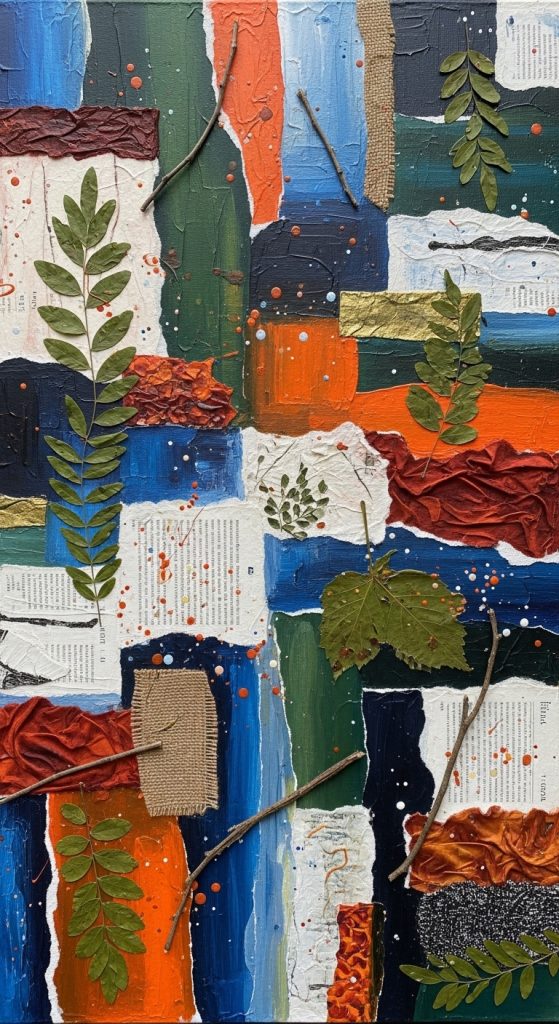
Mixed media paintings combine various materials, such as paper, fabric, ink, and paint, to create texture and depth. Begin by gathering materials like magazines, textured paper, acrylic paint, glue, brushes, and scissors. You can also include natural elements like leaves or sand.
Preparation is key: plan your collage layout and select complementary colors and textures. Start with a base layer of paint, then gradually add paper or fabric elements using glue. Once the glue is dry, you can enhance the collage with additional paint layers, ink, or markers to unify the composition.
Experiment with layering, overlapping, and tearing materials for an organic feel. Mixed media allows a high degree of creativity and personal expression. Each piece becomes unique because the combination of textures, colors, and materials creates depth that is difficult to achieve with paint alone. This approach is ideal for artists who enjoy tactile, hands-on experimentation in modern art.
4. Fluid Art or Pour Painting
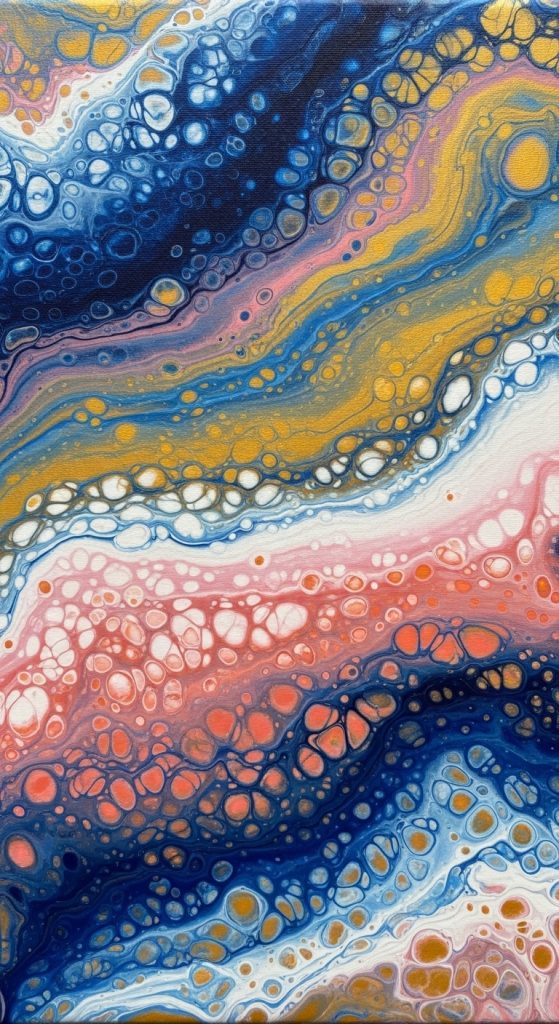
Fluid art, also known as pour painting, uses liquid paints to create flowing, abstract patterns. It is a popular modern art technique because of its unpredictable, organic results. You will need acrylic paints, a pouring medium, silicone oil for cells, cups, a stir stick, gloves, and a canvas.
Preparation involves mixing each paint color with the pouring medium to achieve a fluid consistency. You can experiment with ratios to control the flow. Apply the paint using a “dirty pour” (layering multiple colors in one cup) or a “puddle pour” directly onto the canvas. Tilt the canvas to guide the movement of the paint.
You can also use tools like palette knives or straws to manipulate the paint further. Allow the piece to dry horizontally for several hours or overnight. Fluid art emphasizes spontaneity, movement, and color interaction. Each painting is one-of-a-kind, making this technique perfect for modern artists who enjoy experimenting with color and form.
5. Textured Impasto Painting
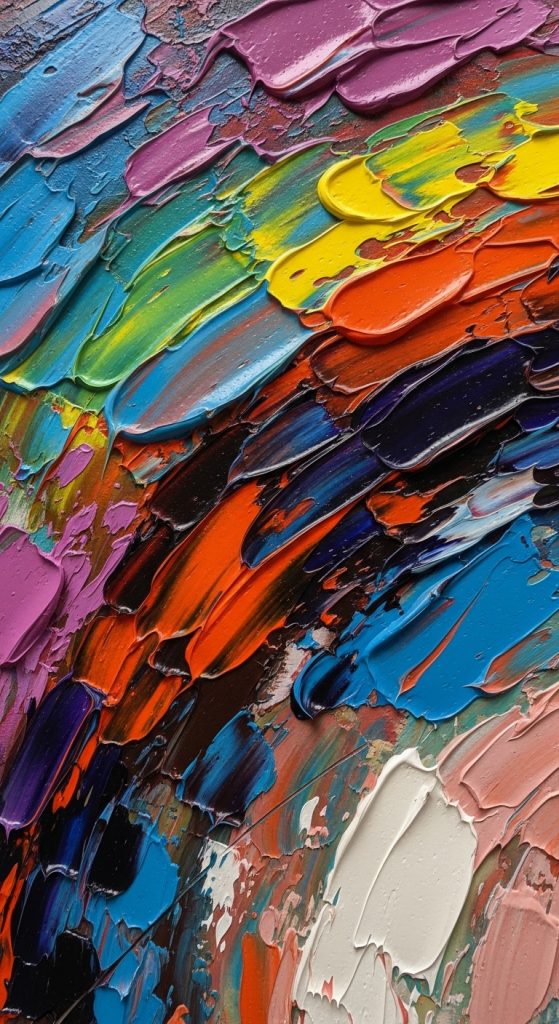
Impasto is a technique where paint is applied thickly so that it stands out from the canvas surface, creating a three-dimensional effect. Materials include acrylic or oil paints, palette knives, brushes, and optionally modeling paste to increase texture.
Start by sketching your design lightly on the canvas. Mix your paint with a thickening medium or use it directly from the tube. Apply the paint in bold strokes or dabs using a palette knife, layering colors to enhance depth. You can create patterns or abstract textures depending on your artistic vision.
Preparation involves protecting your workspace because impasto painting can be messy. Consider experimenting with different tools besides palette knives, such as combs or sponges, to create unique textures. The tactile nature of impasto allows viewers to experience your art not only visually but also through its texture. This technique is ideal for modern art that emphasizes physicality and dynamic energy.
6. Expressionist Portraits
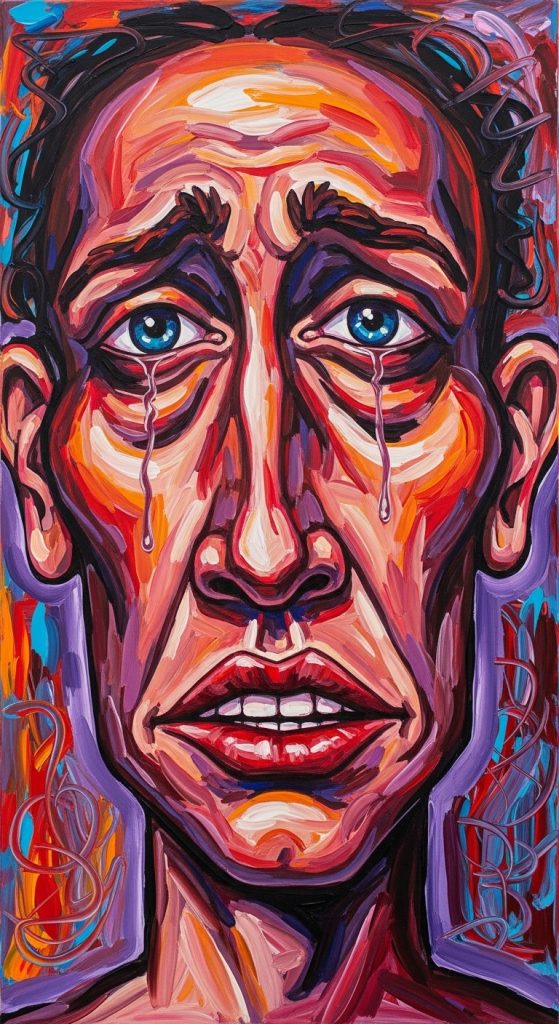
Expressionist portraits focus on conveying emotions rather than realistic likeness. Start by selecting a subject—either a person, an animal, or a figure from imagination. Materials include canvas, acrylic or oil paints, brushes, palette knives, and possibly charcoal for sketching.
Preparation involves studying the emotions you want to depict. You can exaggerate facial features, distort proportions, or use unconventional colors to express mood. Start with a rough sketch, then block in large areas of color, gradually adding details while emphasizing emotion.
Bold, gestural brushstrokes are key in expressionism. Do not worry about perfection; instead, focus on movement, energy, and feeling. This style allows modern artists to experiment with color, shape, and form to communicate complex emotional states, creating paintings that resonate on a personal and visual level.
7. Geometric Abstraction with Metallics
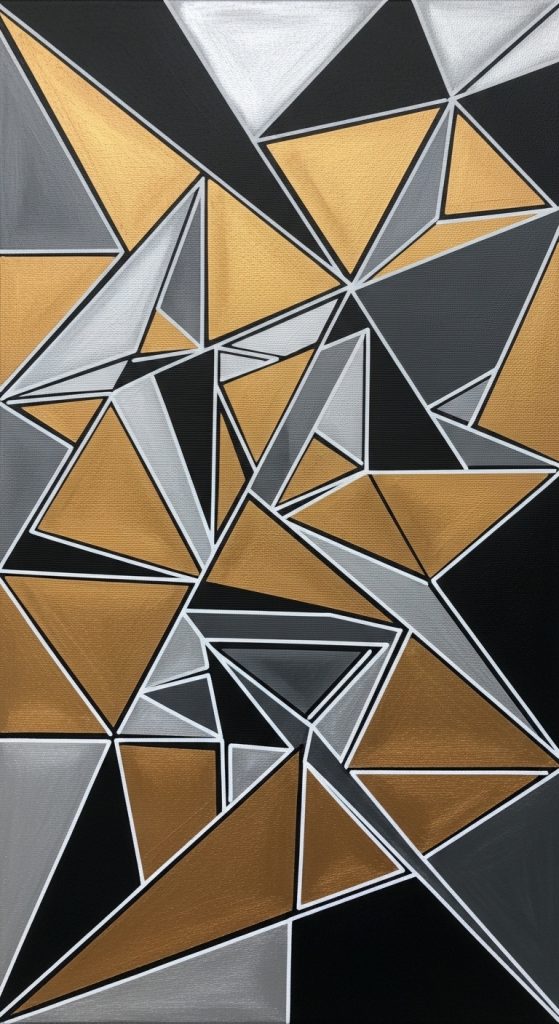
Geometric abstraction combines precise shapes and metallic paints to create a contemporary, futuristic look. You will need acrylic paints, metallic paints, masking tape, brushes, and a ruler for precision.
Preparation involves designing your geometric layout on paper before transferring it to the canvas. Use masking tape to outline shapes for clean edges. Begin by painting the background, then fill each shape with metallic or matte paints to create contrast and visual interest.
Experiment with layering metallics over darker shades or combining gold, silver, and bronze for a modern aesthetic. Metallic paints add dimension and catch light differently depending on the viewing angle. This technique works well for modern art collectors who appreciate clean lines, balance, and sophistication in abstract compositions.
8. Nature-Inspired Abstract Painting
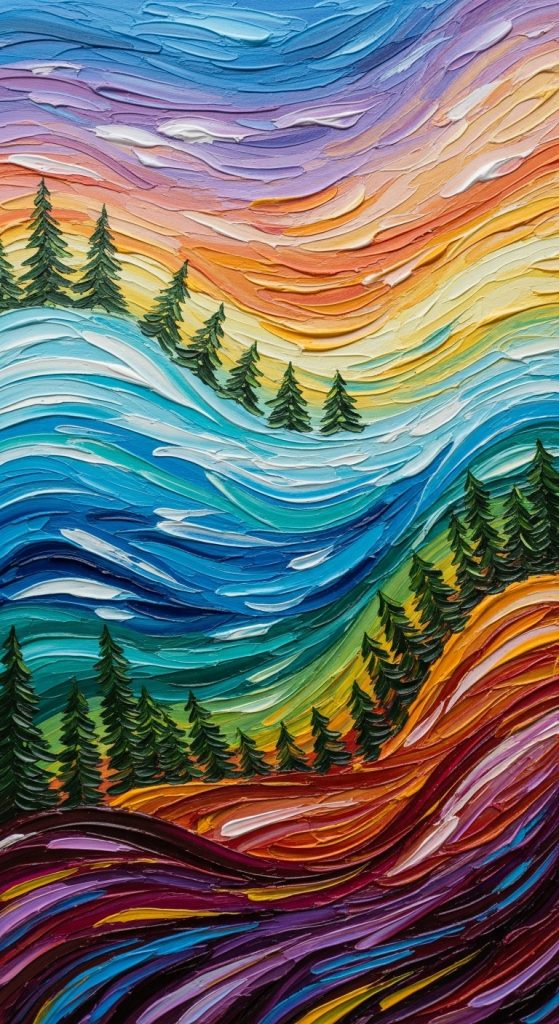
Nature-inspired abstracts translate elements like water, sky, or forests into colors and textures rather than realistic depictions. Start by choosing a natural theme, such as waves, sunsets, or leaves. Materials include acrylic paints, brushes, sponges, palette knives, and optionally texture mediums like sand or modeling paste.
Preparation involves observing natural patterns, colors, and movements to inspire your abstract interpretation. Begin by painting broad strokes that reflect the theme, layering colors to suggest depth and motion. Use sponges or palette knives to create texture reminiscent of natural surfaces.
This approach allows freedom to combine realism and abstraction, capturing the essence of nature without strict representation. It encourages experimentation with colors and forms while maintaining a connection to natural inspiration, making it a refreshing modern art concept.
9. Digital-Style Acrylic Painting
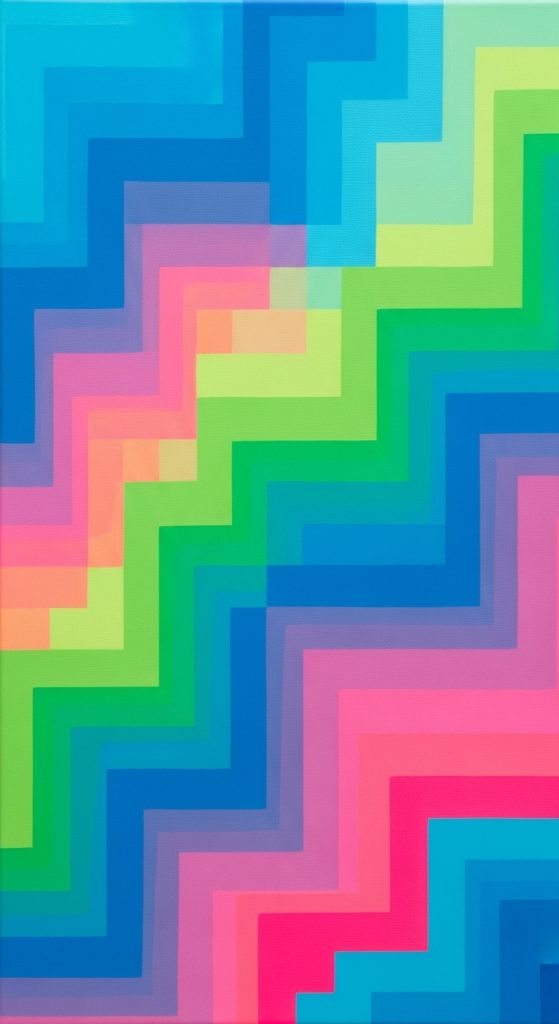
Digital-style paintings mimic the crisp, layered effects often seen in digital art, but with traditional paints. Materials include acrylic paints, fine brushes, a palette, and possibly masking tape or stencils.
Preparation involves designing your artwork digitally first, planning layers and shapes. On the canvas, start with a smooth background and gradually build clean, sharp shapes using masking tape or stencils. You can also simulate digital gradients by blending colors carefully.
Experiment with bright, contrasting colors, pixel-like patterns, or geometric designs to achieve a modern digital feel. This technique bridges traditional painting with digital aesthetics, appealing to modern artists interested in contemporary trends while using conventional tools.
10. Drip and Splash Painting
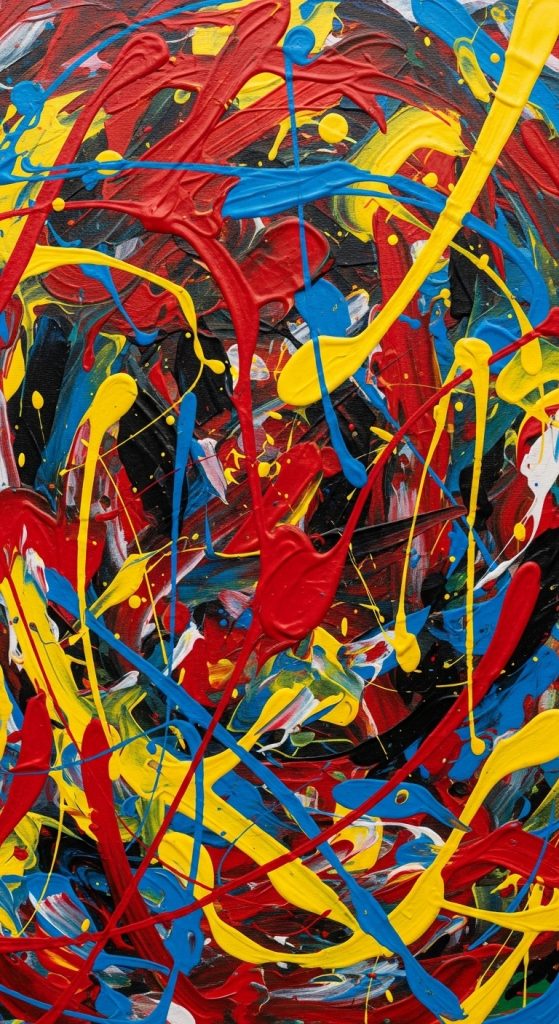
Drip and splash painting, popularized by artists like Jackson Pollock, uses controlled chaos to create energetic abstract pieces. You will need acrylic or enamel paints, a canvas, brushes, sticks, and protective covering for your workspace.
Preparation involves thinning your paints slightly to make them fluid. Layer colors by dripping, splashing, or flicking them onto the canvas using brushes or sticks. You can move the canvas or rotate it to guide paint flow and create dynamic patterns.
This technique emphasizes motion, spontaneity, and the physical act of painting. It encourages letting go of control and embracing the unexpected results. Drip and splash painting is ideal for modern art enthusiasts who enjoy expressive, high-energy works that feel alive and unstructured.