10 Small Bedroom Ideas

Decorating a small bedroom can be a challenge, but with the right approach, it can become a functional, stylish, and cozy space. Maximizing space, using light colors, and selecting the right furniture are key factors. Here are ten small bedroom ideas that will inspire you to transform even the tiniest room into a comfortable retreat.
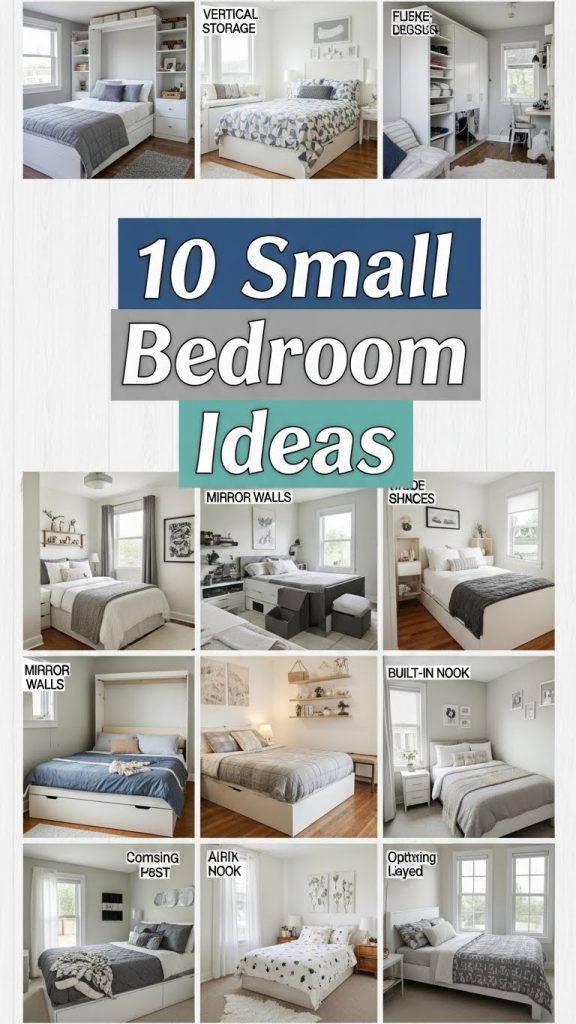

1. Minimalist Design

A minimalist design emphasizes simplicity, clean lines, and functionality, making it perfect for small bedrooms. The concept focuses on reducing clutter and using only essential furniture. Start by selecting a bed with a simple frame and a low profile. Opt for multifunctional furniture, such as a bed with built-in storage drawers. Choose a neutral color palette for walls, bedding, and furniture to create a feeling of spaciousness. Materials like light wood, metal, and glass can enhance the minimalist aesthetic. Mirrors are excellent additions as they reflect light and give the illusion of more space. Minimalist bedrooms also benefit from natural light, so avoid heavy drapes and choose sheer curtains instead. When preparing the room, clear all unnecessary items and organize essentials in compact storage solutions. Accessories should be limited to one or two statement pieces, such as a simple lamp or a small piece of art, maintaining balance without overwhelming the space.


2. Multi-Functional Furniture

Multi-functional furniture is essential for small bedrooms, offering both utility and style. Consider beds with storage drawers, loft beds, or daybeds that double as seating. A foldable desk or wall-mounted desk is ideal for creating a workspace without sacrificing floor space. Storage ottomans and benches can serve multiple purposes, providing seating and hidden storage simultaneously. When selecting materials, opt for light-colored wood or metal frames to prevent a bulky appearance. Modular furniture is also a great option, as it can be adjusted based on your needs. Preparation includes measuring your room accurately and choosing furniture that fits proportionally. Keep pathways clear to ensure easy movement. Small bedside tables with shelves or drawers help reduce clutter, and using vertical space with shelves or hanging organizers maximizes storage without taking up floor area. Multi-functional furniture helps maintain a clean, organized, and visually open bedroom.


3. Use of Light Colors

Light colors are a simple yet powerful tool for making small bedrooms appear larger. Shades of white, cream, soft pastels, and light gray reflect natural light, creating a sense of openness. Walls, ceilings, and furniture in light colors work best. Pair light-colored walls with bedding and curtains in similar shades to maintain continuity. For preparation, remove dark or heavy items that visually shrink the space. Consider painting the trim and ceiling a slightly lighter shade than the walls to enhance height perception. Light-colored flooring, whether wood, laminate, or carpet, complements the look. Accessories like throw pillows and rugs can introduce subtle color variations without overpowering the room. Mirrors and metallic accents further amplify light, giving the room a brighter and more airy feel. Maintaining consistency in color palette ensures that the room feels unified and spacious rather than cluttered or chaotic.


4. Vertical Storage Solutions

Vertical storage is a game-changer for small bedrooms, making use of height rather than floor space. Tall bookshelves, wall-mounted cabinets, and floating shelves are ideal options. Installing hooks or racks on walls and doors helps store accessories, bags, and hats. When preparing for vertical storage, measure wall height and check ceiling clearance to ensure furniture fits comfortably. Light materials like plywood or metal reduce visual weight. Consider open shelving to display items neatly, or closed cabinets to hide clutter. Using vertical space for storage keeps the floor free, making the room feel larger. Additionally, vertical storage allows for creative decoration, such as arranging art pieces, plants, or photographs on higher levels. Incorporating a tall wardrobe with sliding doors prevents obstruction in tight spaces. With careful planning, vertical storage maximizes functionality without compromising aesthetics, transforming a small bedroom into an organized, stylish haven.


5. Mirrors to Create Illusion of Space

Mirrors are an essential tool in small bedroom design, as they create the illusion of depth and reflect light. A full-length mirror on the wall or behind the door can visually double the space. Mirrored closet doors are another practical option that saves space while enhancing brightness. Preparing the room involves clearing wall space and choosing the right size and placement for mirrors to avoid overwhelming the room. Light-colored frames or frameless mirrors blend seamlessly into the space. Strategically placing mirrors opposite windows maximizes natural light and visually expands the room. A mirrored headboard can also serve as a focal point while contributing to the illusion of more space. Mirrors not only enhance spatial perception but also add a touch of elegance. Regular cleaning is essential to maintain their reflective quality and avoid dullness. In combination with light colors and minimalist decor, mirrors make small bedrooms appear larger and more inviting.


6. Floating Furniture

Floating furniture refers to items that are mounted on walls rather than placed on the floor, creating an open, airy feeling. Floating desks, shelves, and bedside tables free up floor space and make the room easier to clean. Preparation includes ensuring walls are strong enough to support the weight of the furniture. Materials like lightweight wood or metal are preferable to avoid overloading the wall. Floating furniture works well with modern and minimalist aesthetics, keeping lines clean and visual clutter minimal. Pairing floating pieces with under-bed storage maximizes functionality. Lighting can be installed underneath floating furniture for added ambiance and practicality. Floating furniture also encourages vertical design, drawing the eyes upward and making the room feel taller. With careful planning and installation, this approach can significantly improve both the look and usability of a small bedroom.


7. Smart Lighting

Proper lighting is crucial for small bedrooms to create the illusion of space and improve functionality. Layered lighting, including ceiling lights, wall sconces, and bedside lamps, ensures even illumination. LED strips under beds, shelves, or cabinets add modern flair and save space. When preparing, consider the room’s natural light sources and plan artificial lighting accordingly. Avoid bulky floor lamps that occupy valuable floor space. Choose fixtures in light-colored materials to complement the room’s palette. Smart lighting solutions, such as adjustable brightness or color-changing LEDs, allow customization for different moods or times of day. Task lighting for reading or work areas improves functionality without compromising space. Strategically placed mirrors can amplify light, further brightening the room. A well-lit bedroom feels larger, more welcoming, and more comfortable, making lighting an essential consideration for small spaces.


8. Foldable or Murphy Beds

Foldable and Murphy beds are perfect solutions for small bedrooms that need versatility. These beds can be folded into the wall or converted into sofas during the day, freeing up floor space. Preparing for a Murphy bed involves measuring the wall and ceiling for clearance and choosing a sturdy mechanism to ensure safety. Materials such as wood or metal frames offer durability and aesthetic appeal. Foldable beds with storage compartments underneath enhance functionality further. These beds are ideal for multipurpose rooms, guest bedrooms, or shared spaces. Pairing the bed with a simple, light-colored design keeps the room visually open. Foldable desks or chairs can complement the setup, maintaining flexibility and space efficiency. Installing Murphy beds allows small bedrooms to serve multiple purposes without feeling cramped. Regular maintenance of folding mechanisms ensures smooth operation and longevity.


9. Creative Use of Textiles

Textiles play a significant role in small bedroom design, contributing to comfort, style, and space perception. Lightweight curtains, soft bedding, and area rugs define zones without overwhelming the room. Layering textiles in different textures, such as cotton, linen, and wool, adds depth and interest. Preparing the room includes decluttering and selecting a color palette that complements existing furniture. Avoid heavy drapes or dark-colored bedding that can shrink the visual space. Vertical patterns on curtains or rugs can make the room appear taller, while horizontal stripes can create width. Textiles can also be used to conceal storage areas, such as under-bed drawers with fabric covers or hanging organizers made of fabric. Thoughtful textile choices enhance the bedroom’s coziness and style while maintaining a sense of spaciousness. Choosing materials that are easy to clean and maintain is essential for a functional small bedroom.


10. Built-in Storage Solutions

Built-in storage is one of the most effective ways to maximize space in small bedrooms. Custom cabinetry, built-in wardrobes, and recessed shelving create storage without intruding into floor space. Preparation involves measuring walls accurately and consulting with a professional if custom work is needed. Materials like MDF, plywood, or laminate are commonly used for built-ins due to durability and versatility. Sliding doors, open shelves, or concealed compartments enhance accessibility and reduce visual clutter. Built-in furniture can include headboards with storage, wall niches, and corner units to use every available inch efficiently. Coordinating colors and finishes with the room’s decor ensures a seamless look. Built-in storage not only keeps items organized but also contributes to a clean, streamlined aesthetic. With careful planning, this approach allows even the smallest bedrooms to remain functional, stylish, and clutter-free.


Similar Posts

  • 10 Mancave Bedroom Design

    A mancave bedroom is more than just a place to sleep. It is a personal retreat where comfort, style, and personality come together. Many people want a bedroom that reflects their interests while still feeling relaxing and functional. A mancave bedroom does exactly that. It combines the comfort of a bedroom with the bold style…

  • 10 Bathroom Decor Apartment

    Decorating an apartment bathroom can feel challenging because most rental bathrooms tend to be small, outdated, or limited by restrictions set by landlords. However, with the right approach, you can completely transform the space without permanent changes. The goal is to make your bathroom feel refreshing, functional, and stylish while keeping everything rental friendly. This…

  • 10 Wooden Bedroom Decor Ideas

    Wood has always been synonymous with warmth, comfort, and timeless beauty. Incorporating wooden elements into bedroom decor creates a natural and serene environment that promotes relaxation and harmony. Whether it is rustic charm, modern minimalism, or classic elegance, wood can be adapted to suit any aesthetic. From reclaimed planks to polished oak finishes, wooden decor…

  • 10 Warm Tone Bedroom ideas

    Creating a warm tone bedroom is one of the most effective ways to make your space feel inviting, cozy, and serene. Warm tones naturally evoke comfort and relaxation, which makes them perfect for bedrooms where rest and peace are essential. This guide offers ten detailed warm tone bedroom ideas, each explained thoroughly to help you…

  • 10 Small Bedroom Inspirations

    Designing a small bedroom can feel challenging, but with the right ideas and planning, even the smallest space can become comfortable, stylish, and highly functional. A small bedroom does not mean you have to compromise on beauty or comfort. In fact, limited space often encourages smarter design choices, better organization, and creative use of materials….

  • 10 Master Bedroom Ideas

    The master bedroom is more than just a place to sleep. It is a personal retreat where comfort style and functionality come together. A well designed master bedroom supports relaxation improves daily routines and reflects personal taste. From furniture selection to lighting color palette and materials every detail plays an important role. Planning a master…

Leave a Reply

Your email address will not be published. Required fields are marked *