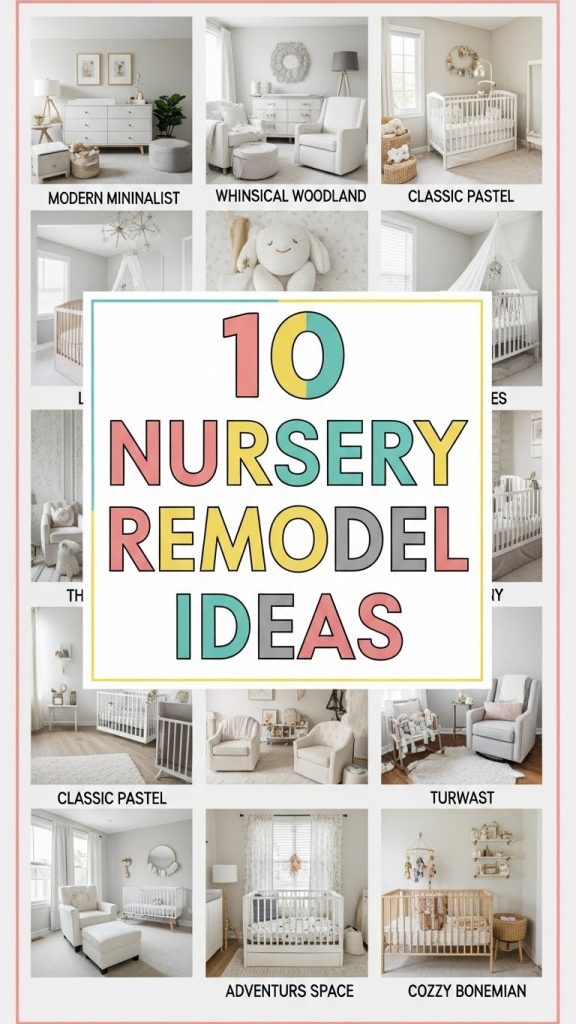
10 Nursery Remodel ideas
Designing a nursery is one of the most exciting parts of preparing for a new baby. It is a chance to create a peaceful room that supports rest, growth, and early development. A thoughtful nursery remodel blends safety, comfort, and organization with warmth, charm, and personality. Whether you prefer a minimalist aesthetic, a cozy themed design, or a modern and practical layout, the right planning ensures you build a space that works beautifully for both you and your baby. Below are ten nursery remodel ideas explained in depth, along with preparation tips, material suggestions, layout considerations, and the purpose behind each design approach. Each section provides about two hundred words of guidance to help you make confident decisions as you transform an empty room into a nurturing environment.
1. Soft Neutral Color Scheme for a Calming Atmosphere
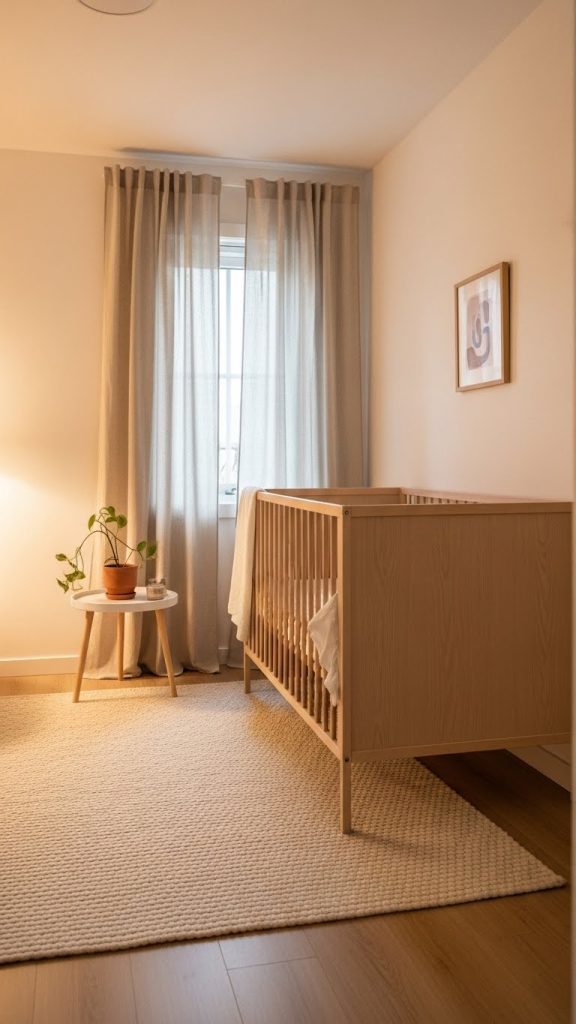
A nursery designed with a soft neutral palette creates a serene environment that soothes infants and prevents overstimulation. Neutrals such as warm whites, gentle taupes, airy beiges, and soft grays offer flexibility because they match almost any future theme or decor change as the child grows. To prepare, gather paint samples in different finishes, including matte and eggshell, and observe how natural light affects each shade throughout the day. Materials you might use include low VOC paints for safety, light wood furniture pieces, natural fiber rugs, and linen or cotton textiles. While neutrals are simple, they become visually interesting through layering different textures. Consider adding a fabric canopy, a knit throw, woven baskets, or lightly patterned wallpaper to create depth. A neutral nursery also transitions well into toddler years without requiring a full remodel. It provides a quiet backdrop for colorful toys or seasonal decor when you choose to introduce them. This approach is ideal for parents who prefer a timeless aesthetic and want to avoid bold, trendy choices that may feel overwhelming later. By keeping the palette soft, you support a peaceful sleep routine and create a room that feels gentle and welcoming from the moment you step inside.
2. Functional Nursery Layout with Zones for Sleep, Play, and Care
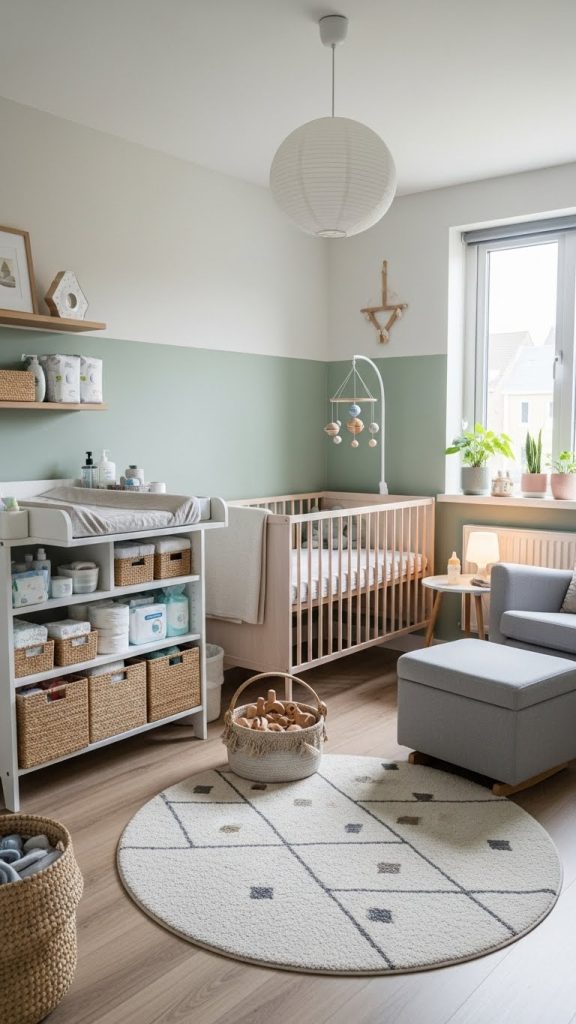
A well planned layout ensures your nursery remains functional and easy to navigate during daily routines. Even a small room can feel spacious if you assign zones for sleep, diapering, feeding, and play. Begin by measuring the room and sketching a simple floor plan that shows where doors, windows, and outlets are located. Next, position the crib away from windows to avoid drafts and noise, while placing the changing station close to storage cabinets for quick access to diapers, wipes, and baby clothing. A comfortable feeding corner with a rocking chair and a side table becomes essential during late night sessions. Materials needed may include a crib with firm mattress, a safe changing pad, shelving or a dresser, blackout curtains, and a soft rug to define the play area. The goal is to minimize unnecessary movement during tasks and create a practical flow throughout the day. When planning your layout, consider how the room will evolve as your child becomes mobile. Ensure furniture is anchored and power outlets are covered. A thoughtful layout supports efficiency and makes caring for your baby more comfortable. It also helps maintain a tidy and organized environment despite the constant needs of a newborn.
3. Statement Wall with Wallpaper or Murals
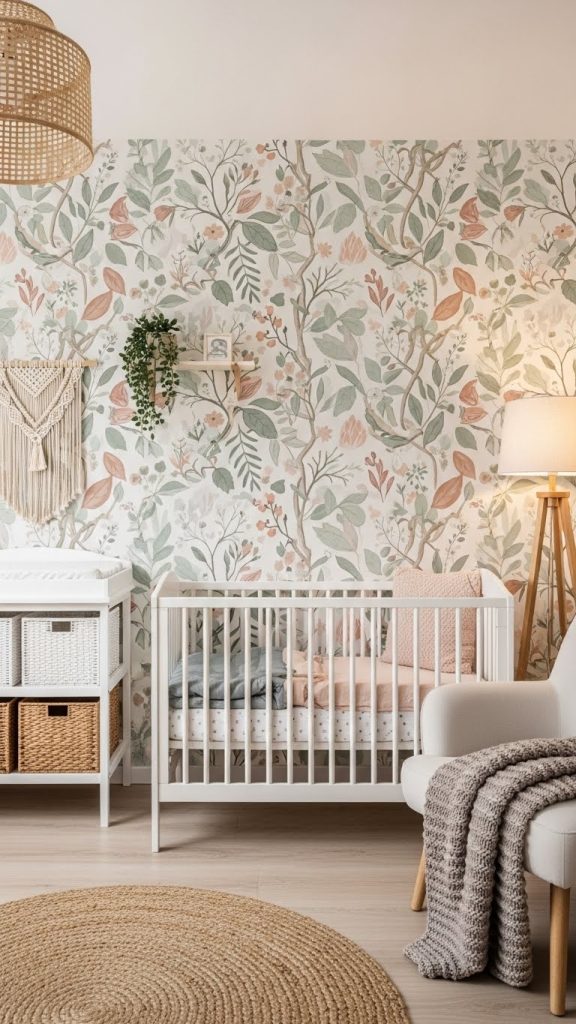
A statement wall provides character and a focal point for your nursery remodel, allowing you to introduce visual charm without overwhelming the entire room. You may choose removable wallpaper, a hand painted mural, textured paneling, or a soft stenciled design depending on your style. Preparation includes smoothing the wall surface, removing imperfections, and ensuring accurate measurements before ordering material. When selecting wallpaper, look for prints that feel gentle and timeless such as botanical patterns, soft stripes, sky themed artwork, or minimalist shapes. If you prefer a mural, consider using pastel shades that calm the eye rather than bright, energizing colors. Textured wall features like beadboard or shiplap painted in a muted tone can also add architectural interest. Materials such as high quality wallpaper adhesive, measuring tools, and a smoothing brush help ensure a clean installation. A statement wall elevates the room and helps define the crib area, making it an attractive backdrop for photos. By limiting bold design to one wall, you keep the room from feeling visually cluttered while still creating a memorable nursery with personality. It also allows for easier updates in the future since only one section will need remodeling if your design preferences evolve.
4. Smart Storage Solutions for a Clutter Free Nursery
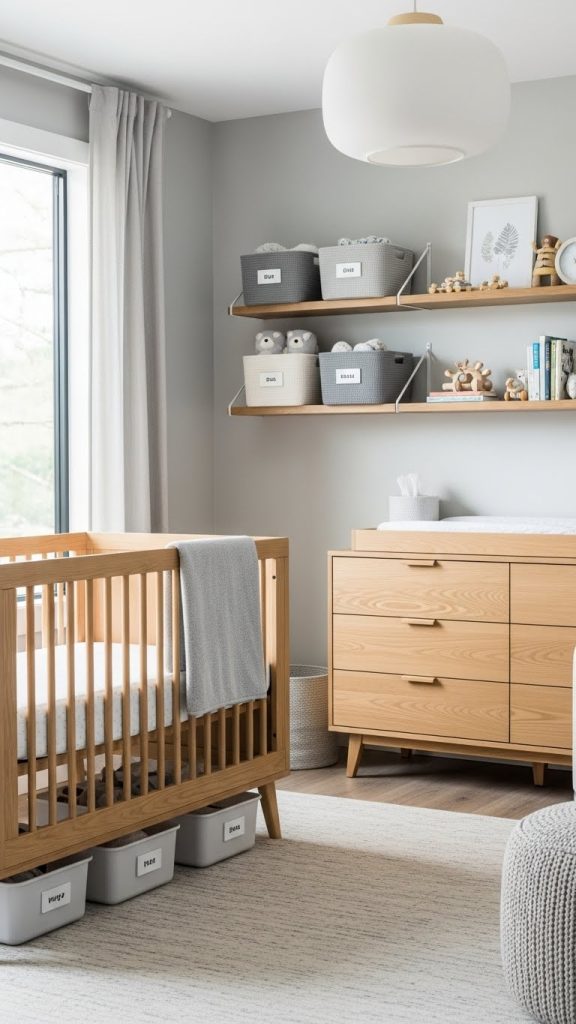
Effective storage is essential for maintaining order in a nursery, especially during the early months when frequent outfit changes and diaper supply restocking are necessary. Before the remodel, take measurements to determine how much vertical and horizontal storage you can accommodate. Utilize wall mounted shelving, closet organizers, under crib storage bins, and multi functional furniture such as a dresser that doubles as a changing station. Materials that support organization include woven baskets, drawer dividers, labeled containers, and floating shelves. Soft closing drawers are particularly helpful because they reduce noise during nighttime routines. When designing storage, categorize items into daily essentials, occasional use items, and long term keepsakes. Keep frequently used supplies within easy reach and place overflow stock neatly in labeled bins. A clutter free nursery not only makes daily tasks more efficient but also creates a soothing environment that promotes relaxation. As your child grows, flexible storage options allow you to transition from baby items to toddler toys without redesigning the entire room. The key is to think ahead and create systems that are simple to maintain and functional for all stages of early childhood.
5. Natural Materials and Eco Friendly Design Elements
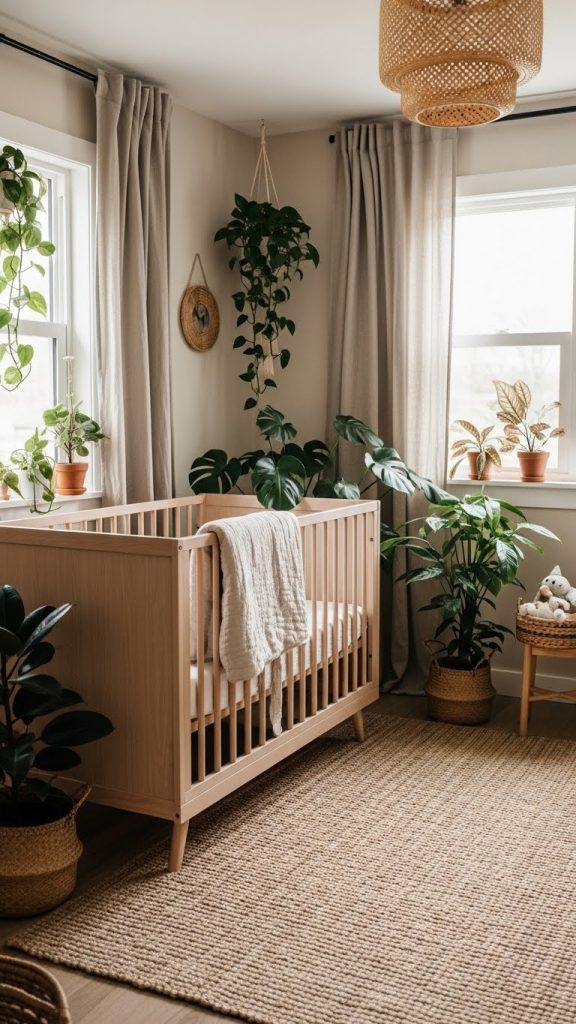
Incorporating natural materials in your nursery remodel enhances both aesthetics and well being. Natural materials create warmth, promote better air quality, and provide a sensory rich environment for infants. Begin by selecting solid wood furniture certified for safety and sustainability. Opt for organic cotton bedding, wool or jute rugs, and linen curtains. Low VOC paint is essential for reducing chemical exposure. Consider incorporating plants that are safe and non toxic which help purify the air and add life to the room. Wood tones and earthy textures promote a grounding atmosphere that feels calm and inviting. Preparation materials include natural fiber baskets, wooden toys, breathable textile sets, and handcrafted decor items that avoid synthetic dyes. An eco friendly nursery supports your baby’s health while contributing to environmentally responsible living. Parents who prioritize sustainability often appreciate how timeless and durable natural materials are. These elements age gracefully and transition well as the nursery becomes a toddler’s room. Designing with natural materials also reduces sensory overstimulation because organic textures feel soft and harmonious. This nursery style blends simplicity with purpose, making it ideal for families seeking a gentle and environmentally conscious space.
6. Modern Minimalist Nursery with Clean Lines
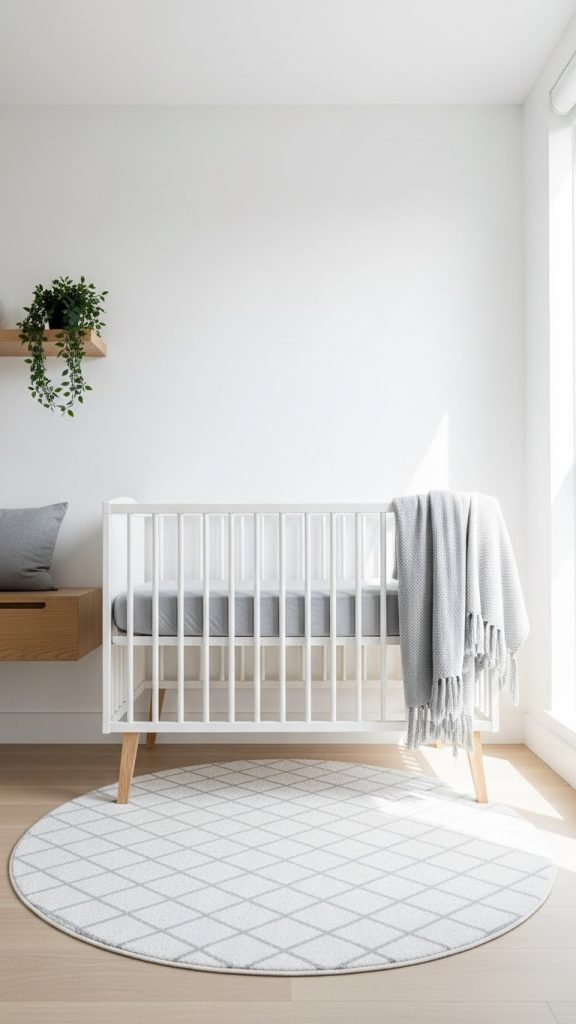
A minimalist nursery focuses on simplicity, functionality, and purposeful design. It is an excellent option for parents who prefer uncluttered environments and want to create a calm space that prioritizes rest. Start by selecting essential furniture pieces such as a safe crib, a dresser, and a comfortable chair. Avoid overcrowding the room with extra accessories or oversized items. Choose a color palette based on whites, creams, muted greens, or soft gray tones. Materials such as lightweight cotton curtains, smooth wooden furniture, and a single statement rug help reinforce a clean aesthetic. Preparation includes decluttering the space, planning efficient storage, and choosing decor items that serve both aesthetic and practical purposes. Minimalist nurseries emphasize open space, allowing the room to feel more breathable and peaceful. This style is also easy to maintain since it reduces unnecessary items that tend to accumulate. As your child grows, the minimalist design adapts without requiring a full remodel, offering long term flexibility. The key to achieving a successful minimalist nursery is focusing on quality over quantity and ensuring every item has a purpose. This creates a modern yet nurturing environment that supports calmness for both parent and child.
7. Gender Neutral Nursery with Timeless Details
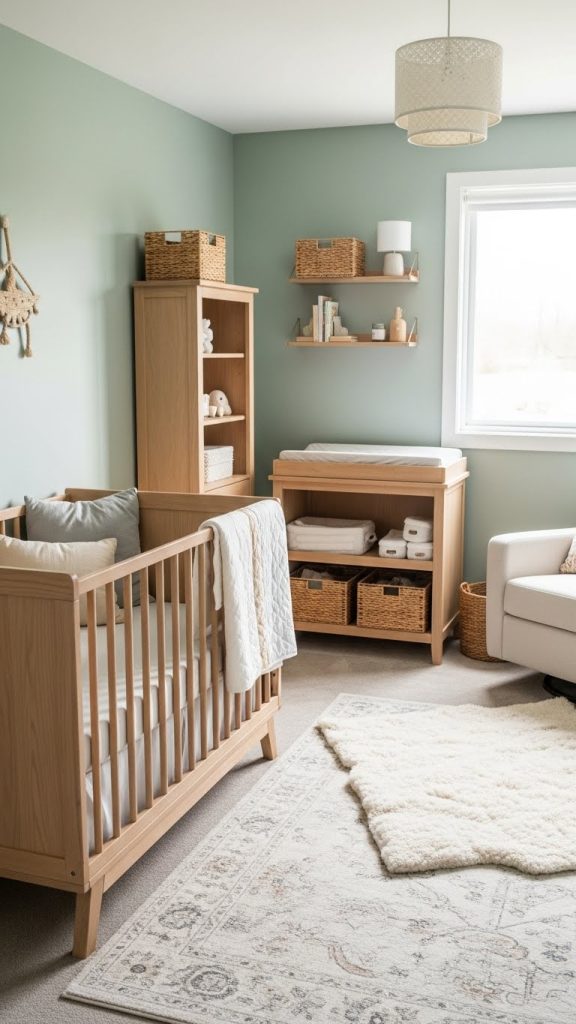
A gender neutral nursery provides versatility, especially for parents who want a timeless design that suits any child. Begin by choosing balanced tones such as sage green, sand, ivory, oatmeal, terracotta, or warm gray. These shades create a classic foundation that pairs well with natural wood furniture and neutral textiles. Preparation involves gathering paint samples, selecting simple artwork, and planning decor that avoids overly themed or gender specific elements. Materials may include wooden shelves, rattan accents, minimalistic prints, and fabric storage bins. A gender neutral nursery emphasizes harmony and allows future adaptability. For example, additional accessories can easily be incorporated as your child grows or as siblings join the household. This approach is also ideal for parents who prefer subtle and understated decor. When styling the space, consider adding soft lighting like warm toned lamps and dimmable fixtures to enhance comfort. The timeless nature of a gender neutral nursery ensures it remains suitable for years without needing frequent changes. This design creates a balanced, peaceful environment that nurtures early development while keeping the room visually cohesive and inviting.
8. Soft Lighting and Layered Illumination
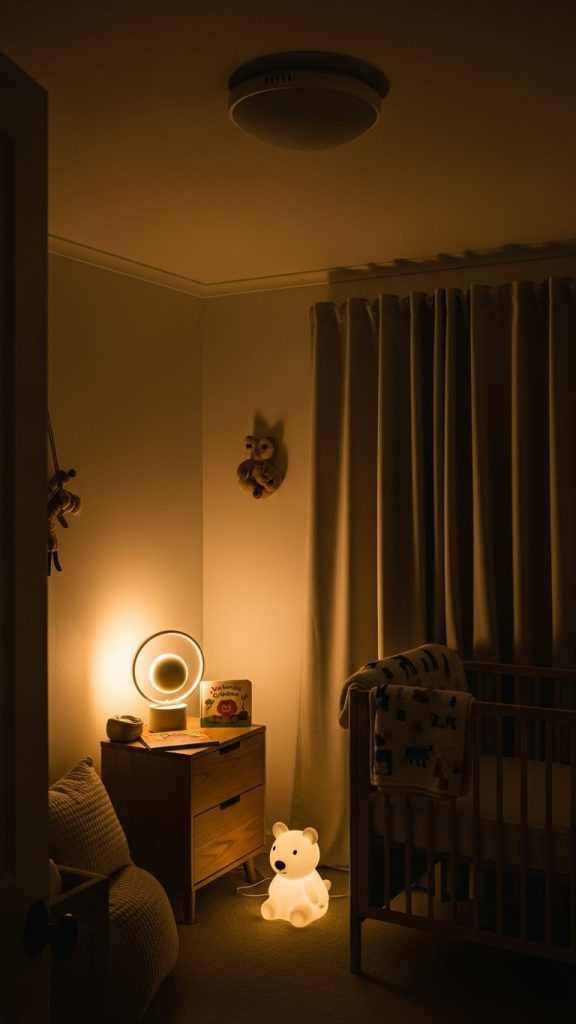
Lighting plays a crucial role in creating a comforting nursery environment. A remodel focused on lighting should incorporate multiple light sources for both functionality and ambiance. Start by installing a dimmable main ceiling light that allows you to adjust brightness during bedtime routines. Add a bedside lamp or wall sconce near the feeding chair so you can access soft lighting during nighttime feedings without waking the baby fully. A warm toned night light can also help with early morning diaper changes. Materials needed include LED bulbs with gentle warm temperatures, a child safe lamp, blackout curtains, and possibly a sound machine with soft illumination features. Layered lighting creates a cozy environment that supports sleep routines and reduces harsh glare. Parents should avoid bright white lights and instead focus on warm, muted illumination that feels soothing. Preparing a lighting plan before the remodel ensures outlets are placed conveniently and cords can be safely hidden. Soft lighting also enhances the nursery’s overall aesthetic, making it feel warm and gentle. A well lit nursery is both practical for parents and comforting for infants, supporting restful sleep and creating a peaceful bedtime atmosphere.
9. Cozy Reading Nook for Early Bonding
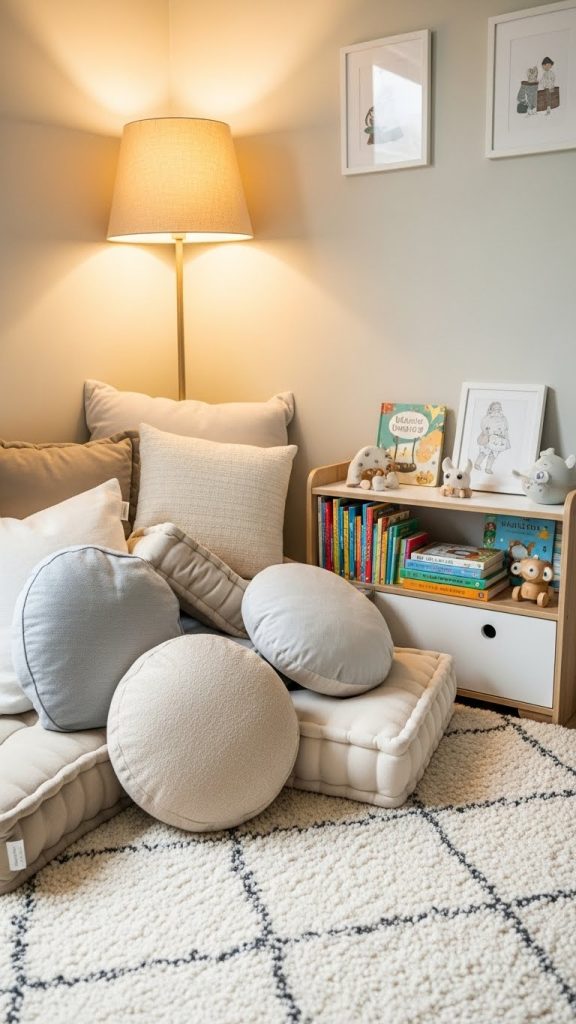
A reading nook encourages early literacy, quiet bonding moments, and relaxation. Even small nurseries can accommodate a dedicated nook if planned thoughtfully. Start by identifying a corner or small wall section that can be transformed into a cozy space. Add a soft rug, a child safe bookshelf, plush cushions, and a comfortable chair or floor pillows. Materials may include fabric wall hangings, soft blankets, and low shelves that make books easily accessible. Preparation involves anchoring shelving securely, selecting age appropriate board books, and ensuring good lighting for reading. A reading nook supports connection and creates a comforting routine during bedtime or nap time. It also helps children associate books with relaxation and security. As your child grows, this nook becomes a place for independent exploration and play. Designing the nook with neutral colors and quality materials ensures it remains useful for many years. This space adds physical softness to the room and balances more structured areas like the crib or changing station. The reading nook becomes a cherished part of the nursery where many meaningful early memories are created.
10. Personalized Decor for a Meaningful Touch
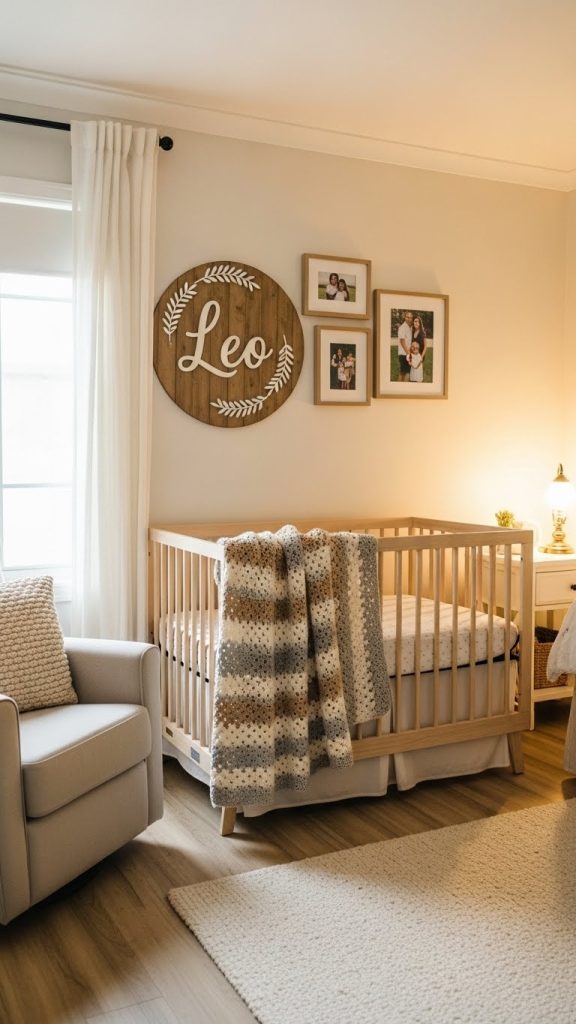
Personalized decor adds heart and identity to your nursery remodel. This might include custom name signs, framed family photos, handmade blankets, or keepsake shelves displaying early treasures. Begin by choosing pieces that hold sentimental value rather than cluttering the room with too many personalized items. Materials often include wooden name plaques, canvas prints, embroidered fabric art, and custom made mobiles. Preparation includes selecting a color scheme that matches the overall nursery design, ensuring items are safely secured, and avoiding pieces that could fall into the crib area. Personalized decor helps your nursery feel unique and inviting. It also becomes meaningful later as your child grows and begins asking about early memories. Select pieces that will remain relevant even as the room transitions into a toddler or childhood space, such as framed quotes or initials. Focus on quality rather than quantity to avoid visual overwhelm. Well chosen personalized decor helps balance practicality with emotional warmth, creating a nursery that feels truly special and connected to your family’s story.