10 Natural Home Craft Setup
Crafting with natural elements has become a popular way to create a warm, sustainable, and aesthetically pleasing home environment. Using materials sourced from nature not only adds authenticity but also encourages mindful living. In this guide, we explore 10 natural home craft setups that can transform your space while keeping your creativity rooted in sustainability.
1. Driftwood Wall Art
Creating wall art from driftwood brings a rustic and organic charm to any room. Driftwood pieces can be collected from beaches or purchased from craft stores. Their naturally weathered texture and unique shapes add depth and visual interest. Arrange the pieces in patterns, abstract formations, or even as a structured wall hanging.
Preparation Materials and Use:
- Driftwood pieces of varying sizes
- Sandpaper to smooth rough edges
- Wood glue or strong adhesive
- Picture hooks or wall anchors
Before assembling, clean the driftwood thoroughly to remove sand and debris. Sand rough edges lightly to prevent splinters. Use glue to attach smaller pieces to larger ones, or create a mobile-style hanging using twine. Driftwood wall art works perfectly above sofas, beds, or in hallways as a statement piece. Its neutral tones blend effortlessly with both modern and traditional interiors, adding a natural, calming presence.

2. Clay Plant Pots
Handmade clay pots provide an earthy touch to your home while serving functional purposes for plants. Crafting clay pots allows personalization in shape, size, and texture. Air-dry or kiln-fired clay can be molded to fit your specific needs, whether for succulents, herbs, or decorative plants.
Preparation Materials and Use:
- Natural clay (air-dry or kiln-fired)
- Pottery tools or household tools for shaping
- Water and sponge for smoothing
- Acrylic paints or natural dyes for optional decoration
Start by kneading the clay to remove air bubbles and create a pliable texture. Shape the clay into pots, ensuring even thickness for stability. Smooth the surfaces and let the clay dry according to instructions. Once ready, paint or decorate with natural dyes if desired. Clay pots enhance any windowsill, tabletop, or shelf, complementing greenery and creating a tactile, inviting feel in your home.

3. Woven Grass Baskets
Woven grass baskets are functional and decorative pieces that bring a natural, earthy texture to interiors. They can be used for storage, plant holders, or as standalone decor. Using local grasses or raffia provides a sustainable approach while supporting traditional craft techniques.
Preparation Materials and Use:
- Natural grasses, raffia, or seagrass
- Scissors and weaving needles
- Glue or natural twine for securing edges
To create a basket, soak the grasses to increase flexibility. Start with a base weave, adding layers upward to form sides. Secure the edges with twine or glue for durability. These baskets are ideal for holding blankets, magazines, or indoor plants. Their warm tones and intricate patterns enrich cozy corners and minimalist spaces, adding texture without overwhelming the decor.

4. Stone Candle Holders
Stone candle holders evoke a grounded, organic aesthetic and provide gentle ambient lighting. They can be carved or shaped from river stones, pebbles, or even concrete molds. Stone’s natural variation in color and texture makes every piece unique.
Preparation Materials and Use:
- Smooth river stones or small boulders
- Drill with a stone bit for creating candle holes
- Sandpaper for smoothing edges
- Tea lights or small candles
Select stones that are flat enough to stand steadily. Drill a cavity in the center for holding candles, ensuring the stone remains stable. Smooth edges with sandpaper to prevent chipping. Stone candle holders add a calming presence to living areas, bathrooms, or meditation corners. They pair beautifully with wooden furniture and other natural decor elements, enhancing the sensory experience through both texture and lighting.

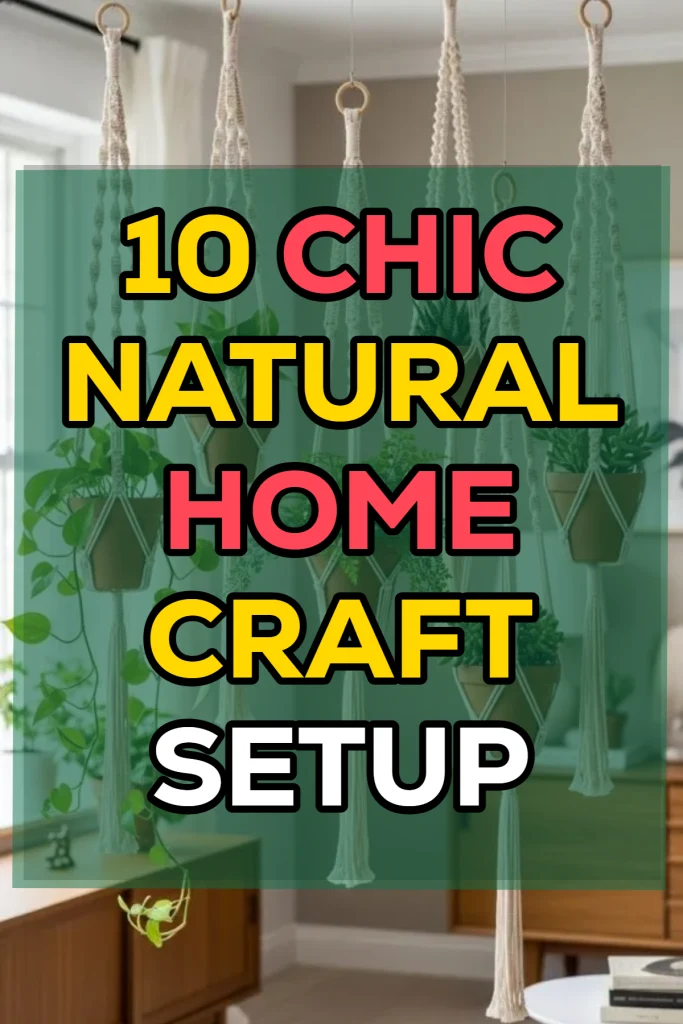
5. Macramé Plant Hangers
Macramé plant hangers combine the elegance of knotted textiles with the organic feel of greenery. Using natural fibers like cotton or jute reinforces a sustainable aesthetic. These hangers free up floor space while turning plants into living art.
Preparation Materials and Use:
- Natural cotton or jute cord
- Scissors
- Wooden rings for top supports
- Optional beads for decoration
Measure and cut cords according to desired hanger length. Knot cords in patterns such as square knots, spiral knots, or combinations for decorative effect. Attach the finished piece to a sturdy hook or ceiling mount and place a plant pot inside. Macramé hangers are versatile, suitable for small apartments or large living rooms. They complement natural, bohemian, or Scandinavian interiors, adding height and visual interest.

6. Pinecone Table Centerpieces
Pinecones are readily available natural materials that can be transformed into beautiful, rustic centerpieces. Their texture and form make them ideal for autumn, winter, or year-round decorations. They can be left natural, painted, or combined with dried flowers and candles.
Preparation Materials and Use:
- Pinecones of various sizes
- Hot glue or craft glue
- Tray or shallow bowl for display
- Optional accents like dried flowers or twine
Clean pinecones to remove debris and open their scales if desired. Arrange them on a tray or bowl, mixing sizes for depth. Incorporate candles or dried floral elements for added aesthetic appeal. Pinecone centerpieces bring warmth and a seasonal charm to dining tables, coffee tables, or sideboards. They are easy to maintain, requiring minimal attention while maintaining a natural, rustic atmosphere.

7. Wooden Coasters and Trays
Handcrafted wooden coasters and trays add a tactile, organic feel to everyday surfaces. Using reclaimed or natural wood ensures sustainability, while hand-finishing emphasizes craftsmanship and uniqueness.
Preparation Materials and Use:
- Wood slabs or reclaimed wood pieces
- Sandpaper for smooth finishing
- Wood oil or natural sealant
- Saw and carving tools if shaping
Cut wood into desired shapes and sand surfaces for a smooth, splinter-free finish. Apply a natural oil or sealant to protect the wood while enhancing its grain. Wooden coasters and trays are functional for serving food, holding decor, or organizing small items. They seamlessly integrate with modern, rustic, or eclectic interiors, adding warmth and a handcrafted touch.

8. Herb Drying Racks
Herb drying racks are both practical and decorative. Using natural wood and twine, these racks allow herbs to dry properly while introducing an aromatic and rustic aesthetic to kitchens or indoor gardens.
Preparation Materials and Use:
- Wooden dowels or branches
- Twine or jute string
- Hooks for wall mounting
- Scissors
Assemble wooden dowels horizontally and tie with twine to create tiers for hanging herbs. Secure the rack to a wall or ceiling using hooks. Hang small bundles of herbs, ensuring airflow for proper drying. Herb racks provide visual appeal and functionality, supporting culinary creativity while adding a natural, handcrafted accent to your kitchen space.

9. Natural Fiber Rugs
Rugs made from natural fibers such as jute, sisal, or wool add texture and warmth to floors. They are durable, eco-friendly, and enhance the organic aesthetic of any room. Handwoven options allow for customization in patterns and sizes.
Preparation Materials and Use:
- Jute, sisal, or wool fibers
- Loom or weaving tools
- Scissors
- Optional dye for patterns
Prepare fibers and weave them into desired rug sizes, using basic or advanced weaving patterns. Finish edges securely to prevent unraveling. Natural fiber rugs are suitable for living rooms, bedrooms, or entryways. They add visual interest and tactile appeal while complementing wood, stone, or neutral-toned furniture. Their presence reinforces a connection to natural textures within the home.

10. Seashell Decorative Jars
Seashells are charming natural elements that can be transformed into decorative jars or terrariums. Displaying them in glass jars allows their colors and textures to become focal points in interior spaces.
Preparation Materials and Use:
- Seashells collected from beaches
- Glass jars or containers
- Sand or small pebbles for base
- Optional twine or labels
Layer sand, pebbles, and seashells inside jars. Arrange by size, color, or type for visual interest. Add twine around the jar mouth for a rustic touch. Seashell jars are perfect for shelves, windowsills, or as part of a centerpiece. They bring coastal charm and natural beauty to interiors while serving as reminders of nature and travel.

