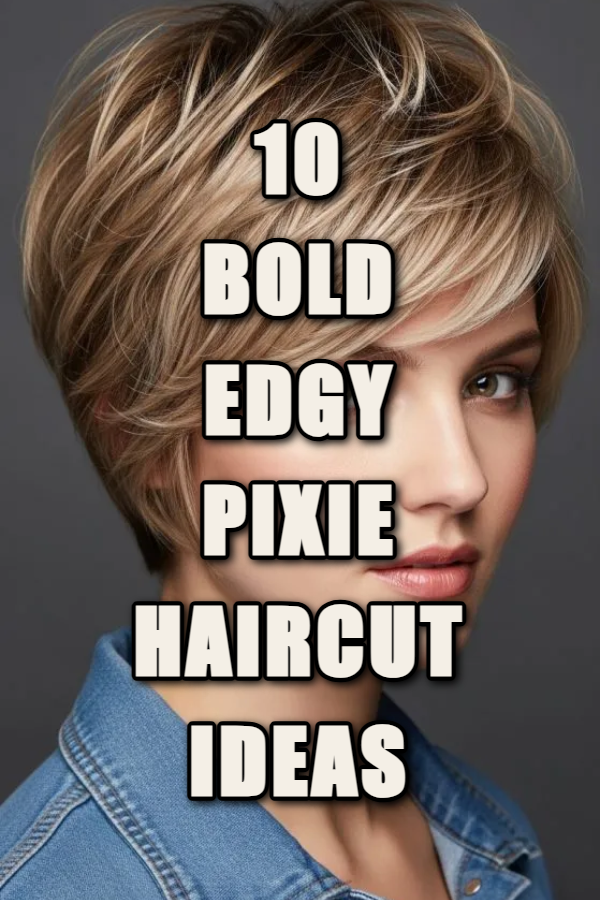
10 Edgy Pixie Haircuts ideas

Pixie haircuts have always been a symbol of confidence, individuality, and modern style. Unlike longer hairstyles that require more maintenance and time, pixie cuts offer a bold, fresh, and practical alternative for people who want a stylish yet manageable look. Over the years, the pixie haircut has evolved into many variations, allowing people with different hair textures, face shapes, and personal styles to find a version that suits them perfectly. Among these variations, edgy pixie haircuts have become especially popular because they combine the classic short haircut with modern, creative elements.
An edgy pixie haircut often includes features such as sharp layers, undercuts, shaved sides, bold textures, asymmetrical shapes, or dramatic bangs. These styles create a striking appearance that stands out while still being versatile enough for everyday wear. Whether someone prefers a subtle edgy touch or a bold transformation, there is a pixie style that can match their personality and lifestyle.
Before choosing an edgy pixie haircut, it is important to consider preparation, hair type, face shape, and styling products. Proper preparation ensures the haircut complements the individual’s features and remains easy to maintain. Additionally, the right styling tools and hair products help achieve the desired texture and shape.
This guide explores ten edgy pixie haircut ideas, along with preparation tips, recommended products, styling methods, and maintenance advice. Each style offers a unique way to express creativity while keeping the hair short, stylish, and easy to manage.
1. Textured Edgy Pixie Cut
A textured edgy pixie cut is one of the most popular short hairstyles because it creates movement and dimension. This style uses multiple short layers that are cut at different angles to produce a slightly messy but stylish look. The textured layers make the hair appear fuller and more dynamic, which is ideal for people with fine or thin hair.
Preparation for this haircut begins with determining the hair’s natural texture and thickness. A professional stylist usually cuts the layers using a razor or thinning shears to create soft, uneven edges. This technique helps the hair fall naturally while still maintaining structure.
To style a textured pixie cut, lightweight styling products work best. A small amount of texturizing cream or matte pomade can enhance the layers and create separation between strands. Many people also use sea salt spray to add natural volume and texture.
The styling process is simple. After washing the hair, apply a texturizing product while the hair is slightly damp. Use fingers or a blow dryer with a diffuser to shape the hair. Avoid heavy gels because they can flatten the texture.
Maintenance includes trimming the hair every four to six weeks to keep the layers sharp and balanced. This haircut works well for oval, heart-shaped, and square faces, making it a versatile option for many people.

2. Undercut Pixie Haircut
The undercut pixie haircut is a bold and modern version of the classic pixie. In this style, the sides or the back of the head are shaved or cut very short, while the top section remains longer. This contrast creates a dramatic and edgy appearance.
Preparation for an undercut pixie involves deciding how deep the undercut should be. Some people prefer a subtle undercut with only the lower section trimmed, while others choose a more dramatic shaved style. It is also important to discuss the desired length on top with the stylist.
The cutting technique typically involves using clippers for the undercut portion and scissors for the longer top layers. The stylist carefully blends the transition between the two sections to maintain balance.
Styling this haircut is easy and flexible. The longer top section can be styled in several ways, including slicked back, side-swept, or textured. A lightweight wax or styling cream helps control the shape and hold the style in place.
Essential products for this haircut include heat protectant spray, light pomade, and volumizing mousse. These products help maintain the structure of the top layers without making the hair stiff.
Regular maintenance is important because the shaved section grows quickly. Most people schedule trims every three to five weeks to keep the undercut sharp and clean.

3. Asymmetrical Pixie Cut
The asymmetrical pixie cut stands out because it features uneven lengths on different sides of the head. One side is usually longer while the other is shorter, creating a modern and artistic look. This style is perfect for individuals who want a unique and fashionable haircut.
Preparation for an asymmetrical pixie begins with analyzing the face shape. Stylists often recommend this haircut for round and oval faces because the uneven lengths create the illusion of a longer face.
During the haircut process, the stylist carefully designs the length difference to ensure the hairstyle remains balanced. Precision cutting is essential to maintain the intended shape.
Styling products for an asymmetrical pixie include smoothing serum, styling cream, and light hairspray. These products help define the different lengths and keep the hair polished throughout the day.
To style this haircut, apply a small amount of styling cream to damp hair and use a blow dryer with a round brush. Focus on directing the longer section in the desired direction.
Regular trims every five to six weeks are necessary to maintain the asymmetrical shape. Without proper maintenance, the haircut may lose its distinctive contrast.

4. Spiky Pixie Haircut
The spiky pixie haircut is one of the most playful and rebellious short hairstyles. It features short layers styled upward to create spikes that give the hair a bold and energetic appearance.
Preparation involves cutting the hair into short, choppy layers that are easy to lift and style. This haircut works particularly well for thick hair because it holds spikes more easily.
To create the spiky effect, strong styling products are necessary. Hair gel, wax, or texturizing paste provides the hold needed to keep the spikes in place.
The styling process begins with towel-dried hair. Apply a small amount of product and use fingers to lift sections of hair upward. A blow dryer can help lock the style in place.
People who choose this haircut often enjoy experimenting with different spike directions to create varied looks. Some prefer subtle spikes, while others opt for dramatic, sharp points.
Maintenance is relatively simple but requires regular trims every four weeks to prevent the spikes from losing their structure. This hairstyle is best suited for oval, square, and heart-shaped faces.

5. Long Fringe Pixie Cut
The long fringe pixie cut combines short hair with dramatic front bangs. The back and sides are kept short while the front section remains longer, framing the face.
Preparation includes determining the appropriate fringe length based on the face shape. People with round faces often benefit from longer side-swept fringes that create a slimming effect.
The haircut process focuses on maintaining balance between the short sections and the longer fringe. The stylist usually uses point cutting techniques to soften the edges.
Styling this haircut requires lightweight products such as smoothing cream and volumizing spray. These products help keep the fringe smooth and manageable.
To style, blow dry the fringe with a round brush while directing it slightly to one side. This technique creates movement and prevents the bangs from appearing flat.
Maintenance involves trimming the fringe regularly to maintain the desired length and shape. Without proper care, the bangs can quickly grow too long and affect the overall style.

6. Curly Pixie Cut
The curly pixie cut is designed for people with naturally curly or wavy hair. Instead of fighting the curls, this haircut embraces natural texture and creates a playful, voluminous style.
Preparation starts with understanding the curl pattern. Stylists usually cut curly hair while it is dry or slightly damp to see how the curls naturally fall.
The haircut often includes layered sections that reduce bulk while enhancing curl definition. This technique prevents the hair from appearing too heavy or uneven.
Essential products for curly pixie cuts include curl cream, leave-in conditioner, and lightweight gel. These products keep curls hydrated and defined.
Styling typically involves applying curl cream to damp hair and allowing the curls to air dry or using a diffuser. Avoid excessive brushing because it can disrupt the curl pattern.
Regular hydration treatments and trims every six weeks help maintain the shape and health of the curls.

7. Shaggy Pixie Cut
The shaggy pixie cut is inspired by classic shag hairstyles but adapted for short hair. It features uneven layers and soft texture that create a relaxed, effortless look.
Preparation for this haircut involves deciding the level of layering. More layers create a messier, more textured appearance.
The stylist uses razor cutting techniques to produce soft edges and natural movement. This technique prevents the hair from looking too structured.
Styling products for a shaggy pixie include sea salt spray and lightweight mousse. These products enhance the natural movement of the layers.
The styling process is simple. After washing the hair, apply mousse and scrunch the hair with fingers while blow drying.
Maintenance is easy compared to other edgy pixie styles because the messy texture naturally hides minor growth changes.

8. Buzzed Pixie Cut
The buzzed pixie cut is one of the boldest short hairstyles. It involves extremely short sides and back with slightly longer hair on top.
Preparation requires confidence because this haircut reveals more of the scalp and facial features. Many people consult with stylists before making such a dramatic change.
Clippers are used for most of the cutting process, while scissors refine the top section.
Styling requires minimal products. A small amount of styling cream or pomade can add texture to the top section.
Maintenance is frequent because very short hair grows quickly. Trims every two to three weeks help maintain the clean look.

9. Layered Pixie with Side Part
The layered pixie with a side part is both elegant and edgy. The side part creates volume while the layers add texture and movement.
Preparation involves selecting the best side for the part based on natural hair direction and face shape.
The haircut includes multiple layers that create lift near the crown. Stylists often use thinning shears to avoid bulkiness.
Styling products include volumizing mousse, light hairspray, and smoothing serum.
Blow drying the hair while lifting the roots helps create volume and definition.
Regular trims maintain the shape and prevent the layers from becoming uneven.

10. Colored Edgy Pixie Cut
A colored edgy pixie cut combines bold haircut techniques with vibrant hair color. Popular options include platinum blonde, pastel shades, or bright fashion colors.
Preparation for this style includes consulting with a color specialist. Hair health must be assessed before applying strong color treatments.
The coloring process may involve bleaching, toning, and applying the final shade. After coloring, the pixie cut is shaped to highlight the color variations.
Color-safe shampoo, deep conditioning masks, and heat protectant sprays are essential products for maintaining vibrant color.
Regular touch-ups every four to six weeks help maintain the intensity of the shade while keeping the haircut sharp.
This style is ideal for people who enjoy experimenting with creative and expressive looks.