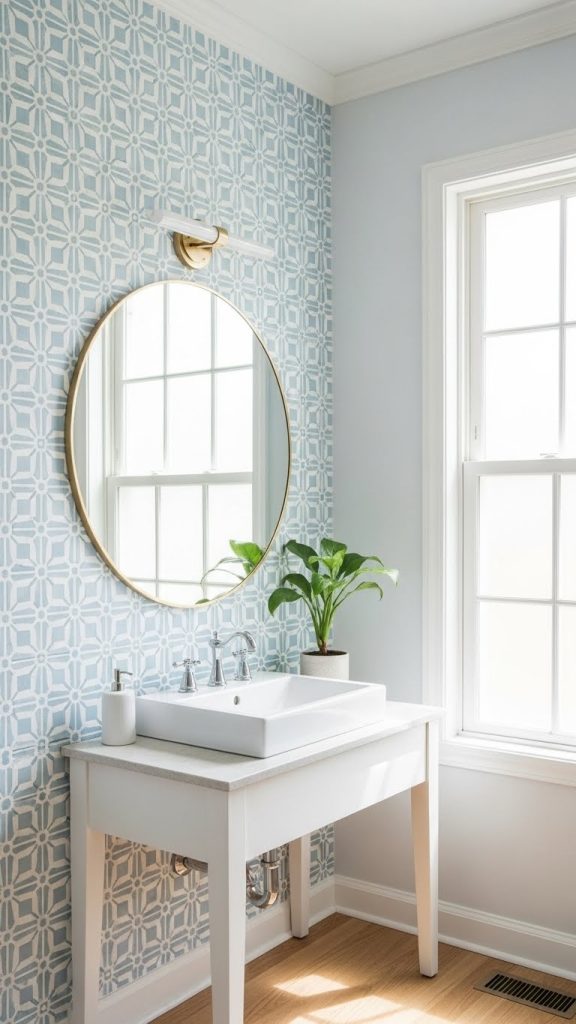
10 Bathroom Backsplash Ideas

A bathroom backsplash is more than just a protective surface. It plays an important role in keeping walls safe from water, soap, and moisture while also adding beauty and character to the space. A well chosen backsplash can turn a plain bathroom into a stylish and comfortable area. Whether the bathroom is large or small, modern or traditional, the right backsplash helps connect all design elements together. It can highlight the vanity area, frame the mirror, and add texture or color without overwhelming the room.
When planning a bathroom backsplash, it is important to think about preparation, materials, durability, and maintenance. Bathrooms are high moisture areas, so materials must resist water and be easy to clean. Proper surface preparation ensures that tiles or panels last for many years without damage. The style of the backsplash should also match the overall bathroom design, including flooring, fixtures, and wall colors.
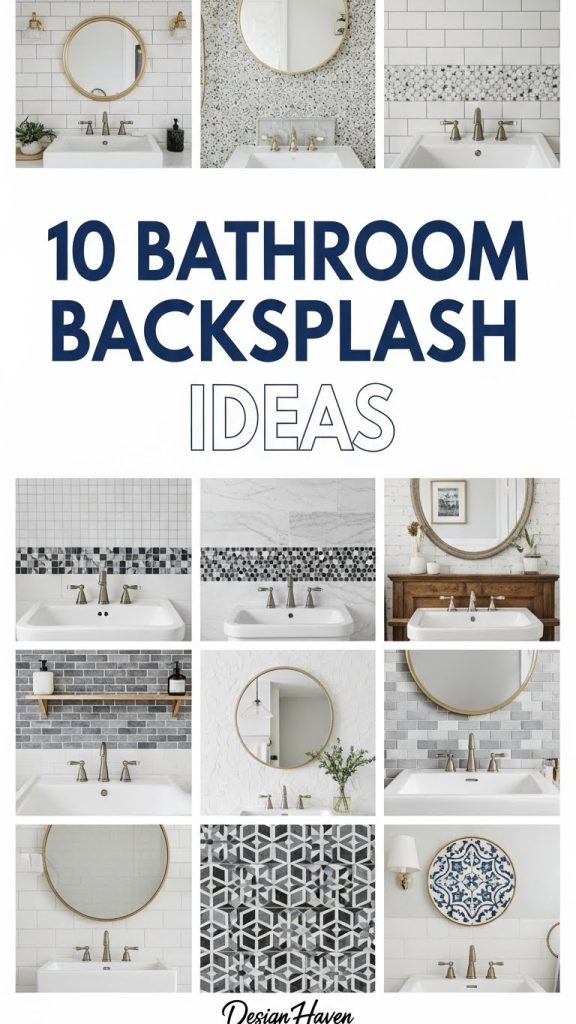
In this detailed guide, you will find ten bathroom backsplash ideas explained clearly and simply. Each idea includes information about preparation, materials, installation considerations, and design tips. These ideas suit different budgets and styles, from classic and timeless looks to modern and creative designs. By understanding these options, you can choose a backsplash that improves both the function and appearance of your bathroom while adding long term value to your home.
1. Classic Subway Tile Backsplash
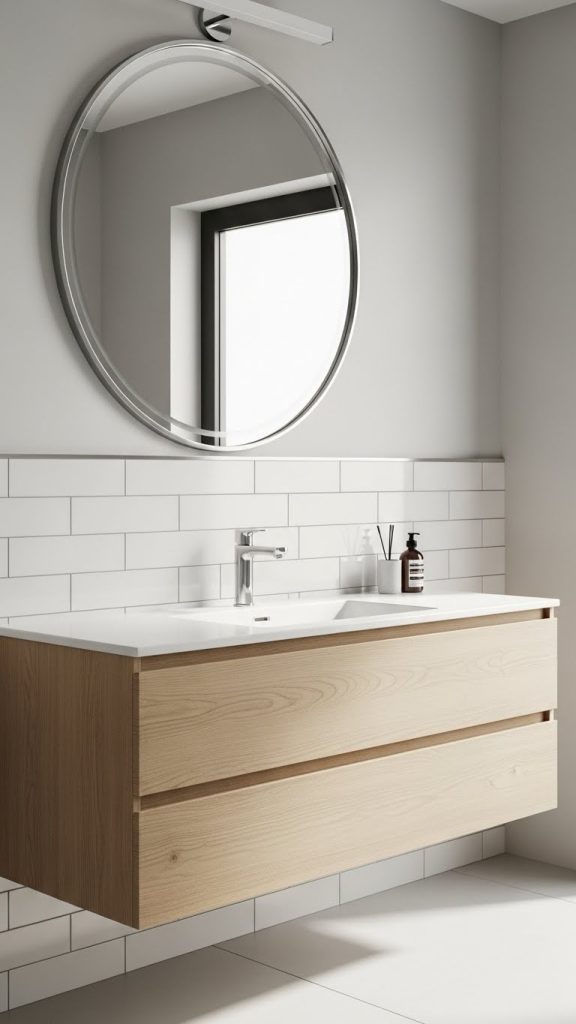
Subway tile is one of the most popular bathroom backsplash choices because of its clean and timeless look. These rectangular tiles are usually white, but they also come in soft colors and glossy or matte finishes. They work well in both modern and traditional bathrooms. The simple shape makes the space feel clean and bright, especially in smaller bathrooms.
Preparation for subway tile includes making sure the wall surface is smooth, dry, and free from dust or grease. Cement board is recommended in wet areas for extra protection. Waterproofing the wall before installation helps prevent moisture damage. Tiles are installed using tile adhesive and spaced evenly with tile spacers to create straight grout lines.
The material is usually ceramic or porcelain, both of which are water resistant and easy to clean. Porcelain is slightly stronger and less porous. Grout choice matters, as white grout gives a clean look while darker grout adds contrast and hides stains. Sealing the grout after installation helps protect it from moisture and discoloration.
Subway tile backsplashes are easy to maintain and affordable. They can be arranged in different patterns such as horizontal, vertical, or herringbone to add visual interest. This versatility makes subway tiles a reliable and stylish option for any bathroom.
2. Marble Tile Backsplash
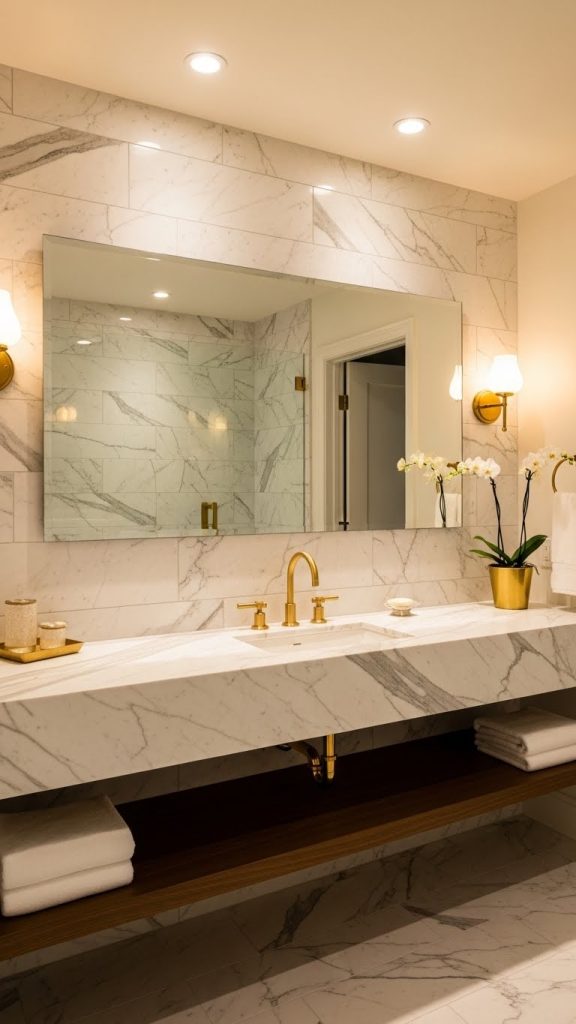
Marble tile backsplashes bring a sense of luxury and elegance to the bathroom. Natural marble has unique veins and patterns that make each installation one of a kind. It pairs beautifully with neutral color schemes and high quality fixtures, creating a calm and refined atmosphere.
Before installing marble tiles, the wall must be strong, level, and properly waterproofed. Marble is heavier than ceramic tiles, so proper adhesive is essential. Thin set mortar designed for natural stone is recommended. Careful planning of tile placement helps highlight the natural veining and creates a balanced look.
Marble is a natural stone, so it is more porous than porcelain or ceramic. Sealing the tiles before and after installation is necessary to protect against water and stains. Regular resealing may be required over time to maintain its appearance. Gentle cleaners should be used to avoid damaging the surface.
Although marble requires more care, it offers unmatched beauty. A marble backsplash can increase the visual value of the bathroom and create a spa like feeling. It works best for homeowners who are willing to maintain it properly and want a timeless, elegant design.
3. Glass Tile Backsplash
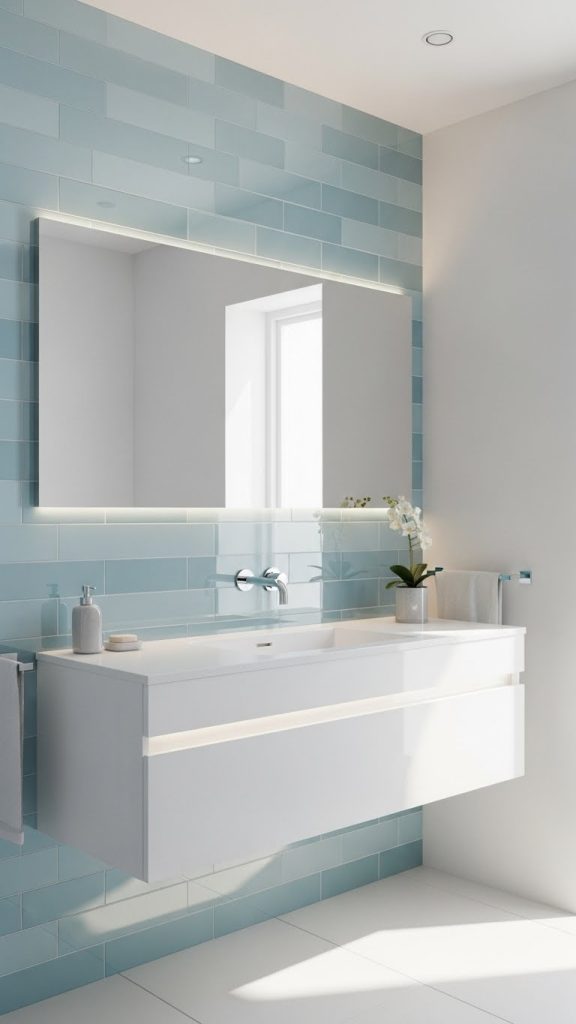
Glass tile backsplashes are ideal for adding brightness and depth to a bathroom. The reflective surface helps bounce light around the room, making small bathrooms feel more open and airy. Glass tiles are available in many colors, sizes, and finishes, from clear to frosted and textured.
Preparation includes ensuring the wall is perfectly smooth, as glass tiles show imperfections easily. A white or light colored adhesive is often used to maintain the true color of the glass. Waterproof backing boards are recommended, especially around sinks and tubs.
Glass tiles are non porous, which makes them resistant to water and stains. They are easy to clean with simple glass cleaners or mild soap. Grout lines should be sealed properly to prevent moisture buildup. Choosing a grout color similar to the tile creates a seamless look, while contrasting grout adds definition.
Glass tile backsplashes work well in modern and contemporary bathrooms. They add a fresh and clean feel without overwhelming the space. With proper installation and care, glass tiles can remain beautiful for many years.
4. Mosaic Tile Backsplash
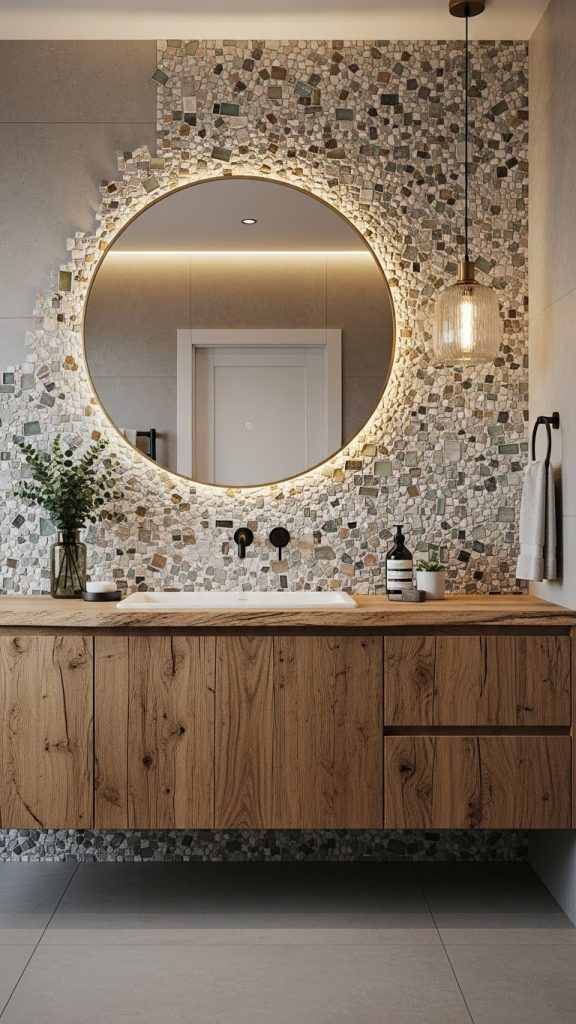
Mosaic tile backsplashes are made from small tiles arranged in patterns or designs. These tiles can be ceramic, glass, stone, or a mix of materials. Mosaic backsplashes add texture and detail, making them a strong focal point in the bathroom.
The wall must be clean, level, and waterproofed before installation. Mosaic tiles usually come on mesh sheets, which makes installation easier. Proper alignment is important to keep patterns consistent. Adhesive should be spread evenly to avoid uneven surfaces.
Mosaic tiles are durable and water resistant, depending on the material used. Grout selection plays a big role in the final look. Light grout highlights individual tiles, while dark grout creates contrast and depth. Sealing grout is important for long term protection.
This type of backsplash allows for creativity. It works well behind vanities or as an accent wall. Mosaic backsplashes can suit both modern and traditional designs, depending on color and material choices.
5. Natural Stone Backsplash
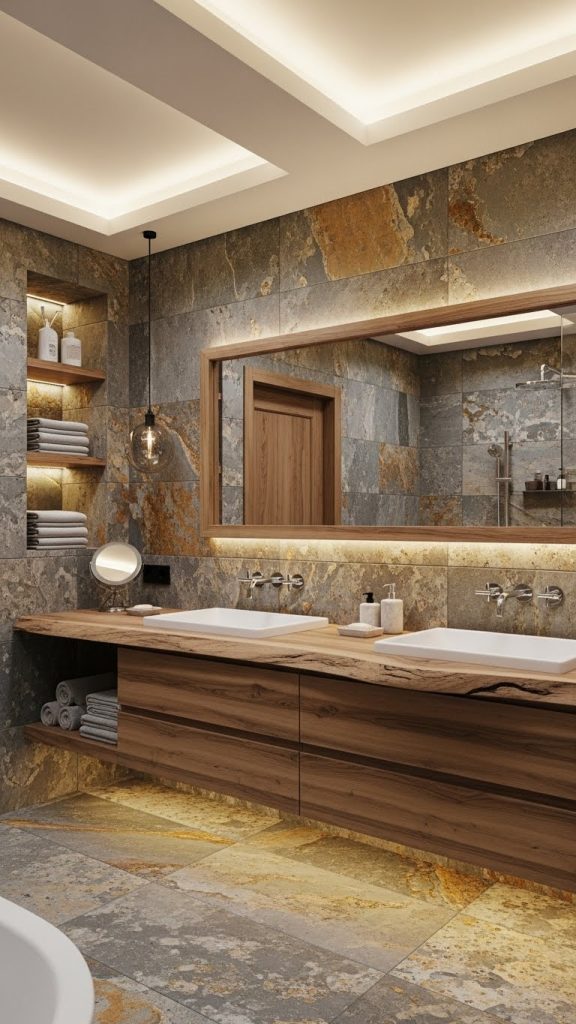
Natural stone backsplashes, such as slate, travertine, or limestone, bring warmth and texture to the bathroom. These materials create an earthy and organic feel that works well in rustic or spa inspired designs.
Preparation includes installing a strong backing board and waterproofing the wall thoroughly. Natural stone tiles vary in thickness, so careful leveling during installation is necessary. A stone specific adhesive ensures proper bonding.
Natural stone is porous and must be sealed before use. Regular sealing helps protect the surface from moisture and stains. Cleaning should be done with stone safe products to avoid damage. Despite the extra care required, natural stone offers unique beauty and durability.
A stone backsplash adds character and depth to the bathroom. Each piece has natural variations, which creates a rich and authentic look. This option is ideal for those who appreciate natural materials and a more relaxed design style.
6. Ceramic Tile Backsplash
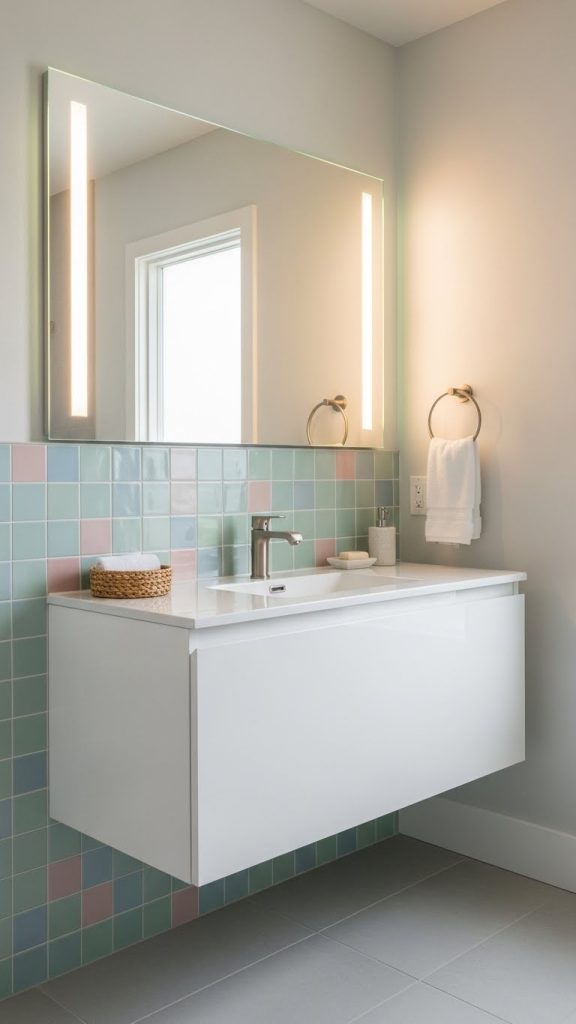
Ceramic tile backsplashes are a practical and budget friendly option for bathrooms. They are available in many colors, shapes, and finishes, allowing for endless design possibilities. Ceramic tiles are lighter than porcelain and easy to install.
Wall preparation includes cleaning and leveling the surface. Waterproofing is recommended in wet areas. Ceramic tiles are installed with standard tile adhesive and spaced evenly for clean grout lines.
Ceramic tiles are water resistant and easy to clean. They do not require sealing, making maintenance simple. Grout should still be sealed to prevent moisture absorption. Because ceramic tiles are affordable, they are a great choice for bathroom renovations on a budget.
This type of backsplash suits many styles, from classic to modern. With the right color and layout, ceramic tiles can look stylish and long lasting while keeping costs under control.
7. Porcelain Tile Backsplash
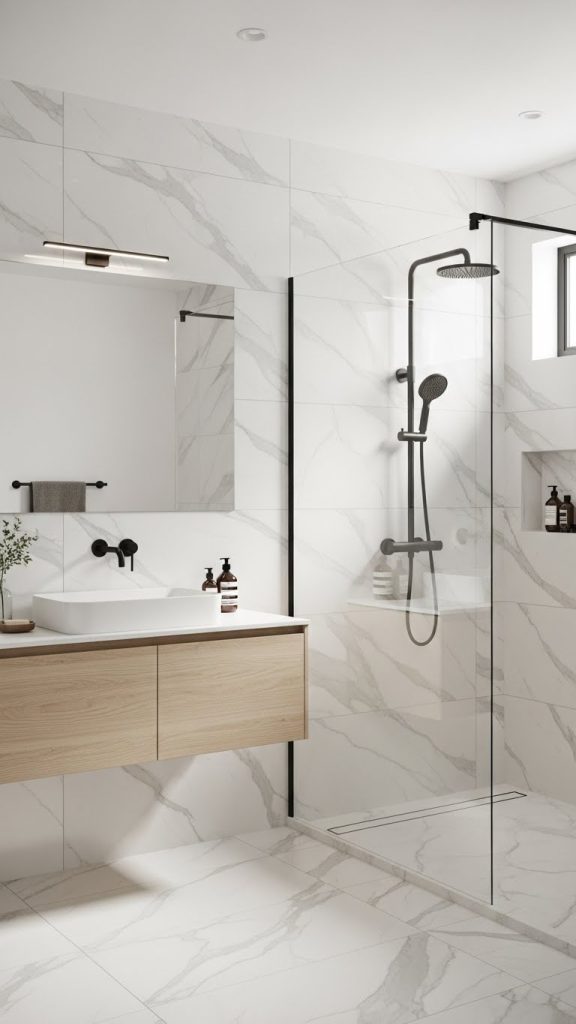
Porcelain tile backsplashes are known for their strength and low maintenance. They are denser than ceramic tiles, making them more resistant to water and stains. Porcelain tiles can also mimic the look of marble, wood, or stone.
Proper preparation involves using a strong backing board and waterproofing the wall. Porcelain tiles require a high quality adhesive due to their density. Accurate cutting tools are needed for clean edges.
Porcelain tiles do not absorb water easily and do not need sealing. They are easy to clean with mild cleaners. Grout lines should be sealed for added protection. This material is ideal for busy bathrooms due to its durability.
Porcelain backsplashes offer both beauty and performance. They are suitable for modern, classic, or luxury bathrooms and provide a long lasting solution with minimal maintenance.
8. Beadboard Backsplash
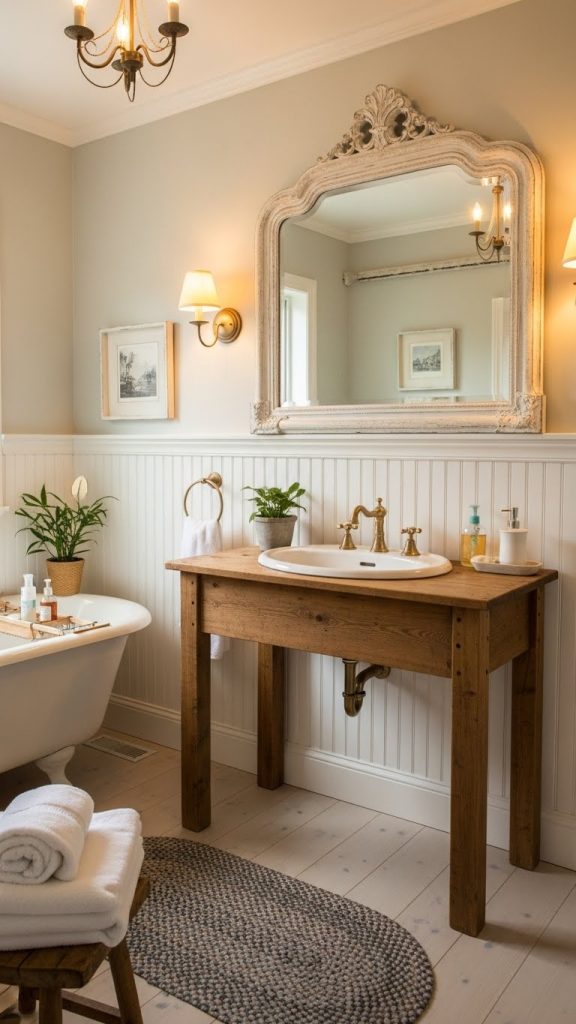
Beadboard backsplashes add a soft and charming look to bathrooms. This style works well in cottage, farmhouse, or traditional designs. Beadboard panels create vertical lines that make walls appear taller.
Preparation includes installing moisture resistant beadboard panels. Proper sealing and painting with water resistant paint are important to protect the material. Caulking seams prevents water from entering behind the panels.
Beadboard is usually made from wood or MDF, so it requires more care than tile. It should be kept away from direct water exposure. Regular inspection helps prevent damage over time.
This backsplash option adds warmth and character. It works best behind vanities rather than in shower areas. With proper protection, beadboard can be a charming and affordable bathroom backsplash choice.
9. Metal Tile Backsplash
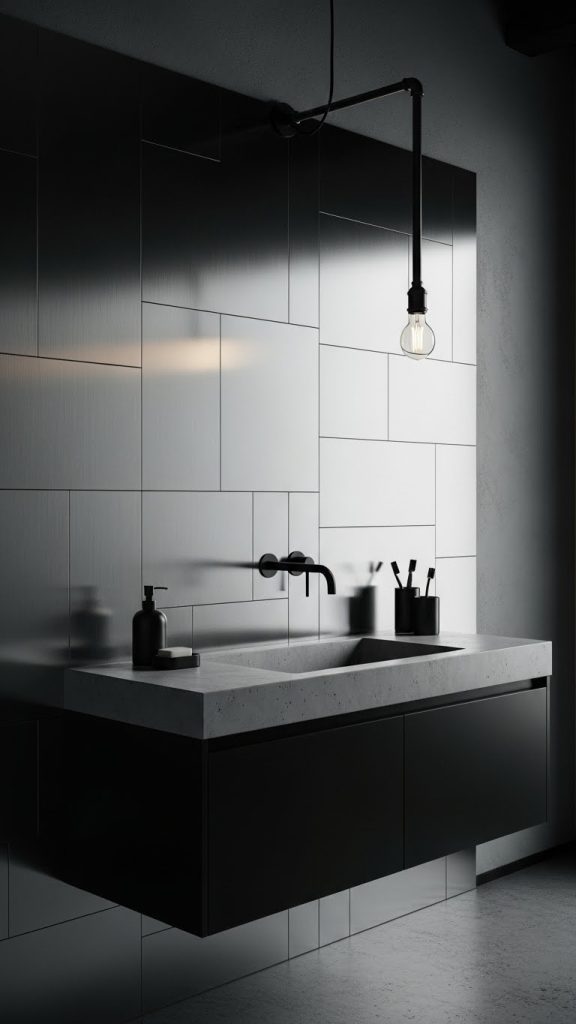
Metal tile backsplashes offer a modern and industrial look. Materials such as stainless steel, aluminum, or copper create a bold design statement. Metal tiles reflect light and add texture to the bathroom.
Preparation includes ensuring a smooth and secure wall surface. Metal tiles are often installed with special adhesives designed for metal. Proper spacing and alignment are important for a clean finish.
Metal tiles are water resistant and easy to wipe clean. They do not absorb moisture but can show fingerprints or water spots. Regular cleaning keeps them looking polished. Choosing a protective finish helps prevent tarnishing.
This backsplash idea works well in contemporary bathrooms. It pairs nicely with sleek fixtures and neutral colors. Metal tiles add a unique and modern touch without requiring complex maintenance.
10. Painted Tile Look Backsplash
A painted tile look backsplash is a creative and budget friendly option. This method uses special waterproof paint or stencils to create the appearance of tiles without actual tile installation.
Preparation is very important. The wall must be smooth, clean, and primed with moisture resistant primer. High quality waterproof paint ensures durability. Stencils can be used to create patterns that mimic real tiles.
Painted backsplashes are easy to update and customize. However, they may not be as durable as real tiles in high moisture areas. A protective clear sealant helps extend the life of the finish.
This option is ideal for low splash areas and for those who enjoy changing designs. It offers flexibility and creativity while keeping costs low. With proper preparation, a painted backsplash can still add style and protection to the bathroom.